There is something deeply comforting about stepping into ancient olive press villages with tasting cellars. The air smells faintly of earth, stone walls hold centuries of stories, and nearby hands still crush olives as they did generations ago. These villages do not rely on flashy attractions or modern spectacle. Instead, they invite you to slow down, taste carefully, and connect with a rhythm of life that existed long before modern travel.
In many Mediterranean and Middle Eastern regions, olive oil represents far more than a food product. Families treat it as heritage, memory, and identity. People pass olive groves down like heirlooms, and presses often remain in the same buildings for hundreds of years. When you visit these villages, you do not observe history from a distance. You step directly into it.
Have you ever tasted olive oil directly where it was made? Not from a shop shelf, but from a cool cellar beneath a stone house, poured by someone who knows every tree in their grove. That moment changes how food feels. It also changes how travel feels.
Why Ancient Olive Press Villages Feel So Different
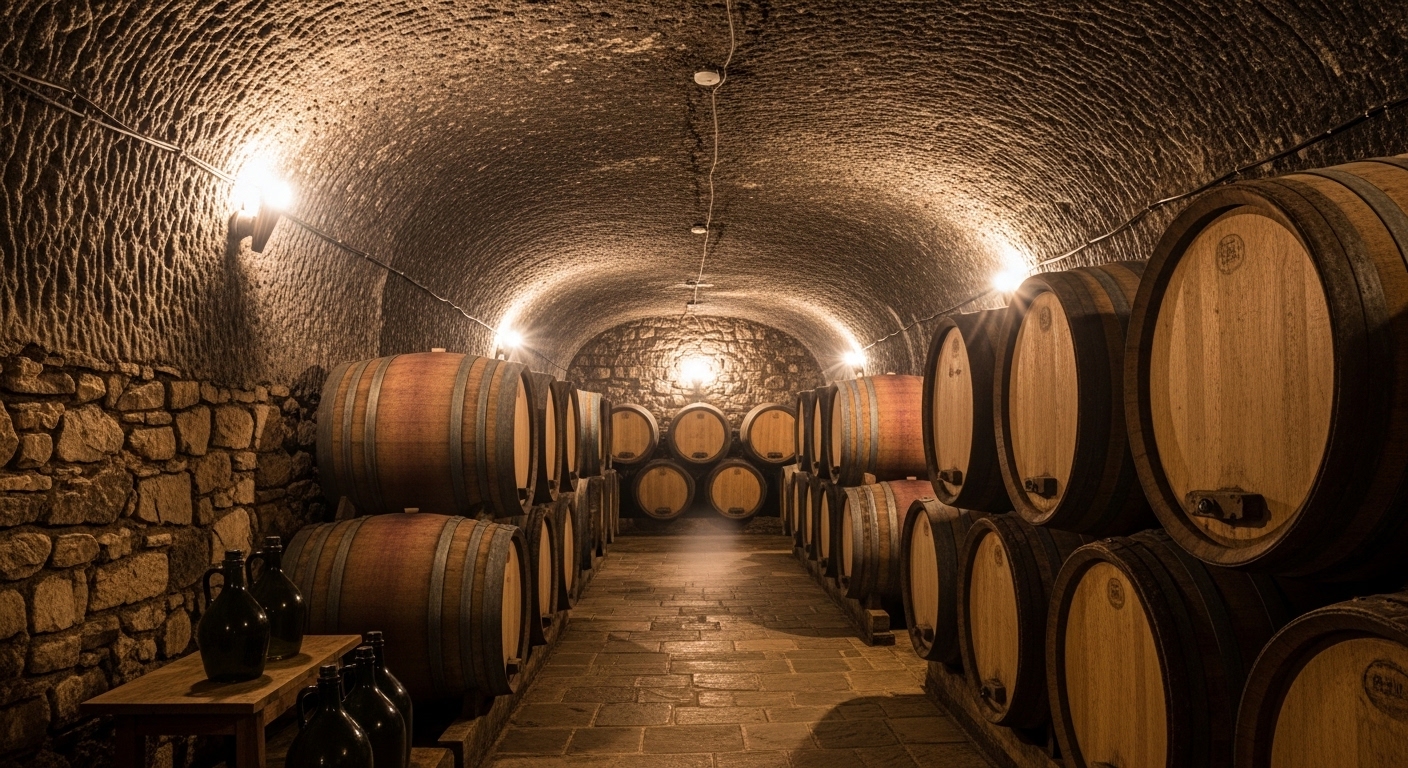
Ancient olive press villages with tasting cellars feel different because they were never built for tourism. Builders created these places for farming, storage, trade, and survival. Presses carved into rock or assembled from massive stone wheels still dominate many interiors. Cellars remain cool, dark, and practical.
Many villages continue to blend traditional techniques with modern tools. You might see stainless steel tanks beside wooden beams that supported presses for centuries. Locals do not treat this mix as a museum exhibit. They treat it as daily life.
Time also behaves differently in these villages. Mornings move slowly. Afternoons feel quiet. Evenings revolve around shared meals and conversation. Travelers often say they feel like guests instead of customers. Would you rather experience a place that performs for you, or one that simply lives while you observe?
The Deep History Behind Olive Pressing
Olive oil production ranks among the oldest agricultural practices in human history. Archaeologists discovered olive presses dating back more than 6,000 years. Civilizations such as the Phoenicians, Greeks, Romans, and Arabs all refined techniques and expanded olive cultivation across continents.
People once used olive oil for far more than cooking. They burned it in lamps, applied it as medicine, and treated it as a symbol of wealth and peace. Entire economies developed around it. Many modern villages grew from ancient trade routes that transported oil across seas and deserts.
Resources like Encyclopaedia Britannica document how olive oil shaped Mediterranean civilization. When you enter an old press room, you do not see outdated machinery. You see living evidence of how humans learned to preserve life through nature.
Val d’Orcia, Italy
In the rolling hills of Tuscany, Val d’Orcia offers one of the most authentic olive experiences in Europe. Small villages still maintain underground tasting cellars beneath medieval homes, and many families continue to produce oil in limited batches.
Harvest season turns olive pressing into a community event. Families gather with baskets of fruit and exchange stories while waiting their turn at the mill. The resulting oil tastes peppery, fresh, and vibrant.
Most travelers reach this region via ITA Airways and then drive through countryside that feels timeless. In tasting rooms, locals often serve bread, cheese, and wine, yet the oil always commands attention.
Have you ever noticed how fresh olive oil almost tingles at the back of your throat? That sensation reflects high antioxidant content and true freshness.

Andalusia, Spain
Andalusia produces more olive oil than any other region in the world. Massive groves dominate the landscape, but small villages still operate ancient presses hidden behind whitewashed walls.
In towns such as Baena and Priego de Córdoba, family-owned cellars welcome visitors into stone rooms where presses once powered entire communities. These spaces maintain cool temperatures naturally, even during extreme summers.
Tourism platforms like Spain.info highlight these villages as cultural heritage destinations. Sitting in a tasting cellar here feels like attending a quiet history lesson delivered through flavor.
Peloponnese, Greece
Greece holds a deep emotional relationship with olive oil, and the Peloponnese region reflects that connection clearly. Silver-green groves stretch across hillsides, surrounding villages that still preserve rock-carved presses.
Many of these presses date back to Roman or Byzantine times. While modern mills now handle large production, locals preserve the ancient structures for cultural experiences and small tastings.
Greek olive oil often tastes grassy and bold, with a lingering bitterness. Locals usually serve it with nothing more than bread, tomatoes, and feta. The simplicity reveals the oil’s character without distraction.
Do you find it surprising that many people in these regions still treat olive oil as daily medicine rather than luxury?
Al-Jouf, Saudi Arabia
Al-Jouf, located in northern Saudi Arabia, represents one of the most unexpected olive destinations in the world. Millions of olive trees grow in this desert region, supported by underground water systems.
Villages here combine ancient farming traditions with modern agricultural technology. Stone storage cellars coexist with advanced pressing facilities. This balance allows producers to protect heritage while meeting modern standards.
Saudi tourism initiatives and airlines such as Saudia now promote agricultural travel experiences. Standing inside a tasting cellar here feels surreal. Outside stretches endless sand. Inside waits green gold.
The Sensory Experience of a Tasting Cellar
Ancient olive press villages with tasting cellars offer more than flavor. They deliver atmosphere. Stone walls absorb sound. Cool air replaces heat. Dim light creates calm.
Tastings usually begin with smell. You warm the glass in your hands and inhale deeply. Fresh oil often carries aromas of grass, almonds, tomatoes, or green apples.
Then comes the sip. You draw the oil in with air, allowing it to coat your mouth. Bitterness arrives first. Fruit follows. Pepper finishes last. Each region leaves its signature behind.
Have you ever realized how much complexity hides inside something you use every day?

Why These Villages Matter Today
Ancient olive press villages represent resilience in a world driven by mass production. They protect biodiversity, preserve traditional plant varieties, and support rural economies.
Organizations such as FAO emphasize how traditional agriculture strengthens global food systems. These villages prove that heritage farming remains relevant and necessary.
Travelers gain something rare here: connection. You meet producers, not corporations. You taste seasons, not labels. You learn stories, not slogans.
Traveling Respectfully Through Olive Regions
Respect matters when visiting working villages. Always ask before taking photos. Move quietly. Support local businesses directly.
Small-scale producers rely on direct purchases more than tourists realize. One bottle bought from a cellar often supports an entire family’s season.
Would you rather bring home something mass-produced, or carry a story filled with hands, soil, and time?
The Emotional Power of Slow Food Travel
Ancient olive press villages with tasting cellars teach travelers to slow down. They shift attention away from attractions and toward experiences.
These villages blur the line between past and present. They remind us that progress does not require erasing tradition. It requires understanding it.
At WentWorld.com, we believe travel should reveal new perspectives, not just new places. Olive villages show how culture survives quietly through daily rituals.
We would love to hear from you. Have you ever visited an olive-producing village or tasted oil directly from a cellar? Did it change how you think about food or travel?
If you enjoy discovering places where culture lives gently and authentically, follow WentWorld.com on our social media platforms and continue exploring hidden stories from around the world.
Catch up on the top stories and travel deals by subscribing to our newsletter!