Hidden border lakes that change countries seasonally are some of the most intriguing natural phenomena in the world. Imagine standing on one side of a lake in the spring, only to find that during summer, the same water body belongs to a different country. Sounds like a traveler’s dream—or a geopolitical puzzle?
These lakes are more than just curiosity—they tell stories about rivers, rainfall, climate change, and the delicate balance of nature. They also show how borders, usually seen as rigid, can be surprisingly flexible in the hands of water.
Have you ever wondered what it would be like to visit a place where your footprints could technically cross two countries without moving an inch? Or how local communities adapt when their backyard turns into someone else’s territory for a few months?
In this post, we’ll explore what hidden border lakes are, why they change countries seasonally, the most fascinating examples, and how you can experience them responsibly. You might even start seeing political boundaries as something more fluid than permanent lines on a map.
What Are Hidden Border Lakes That Change Countries Seasonally?
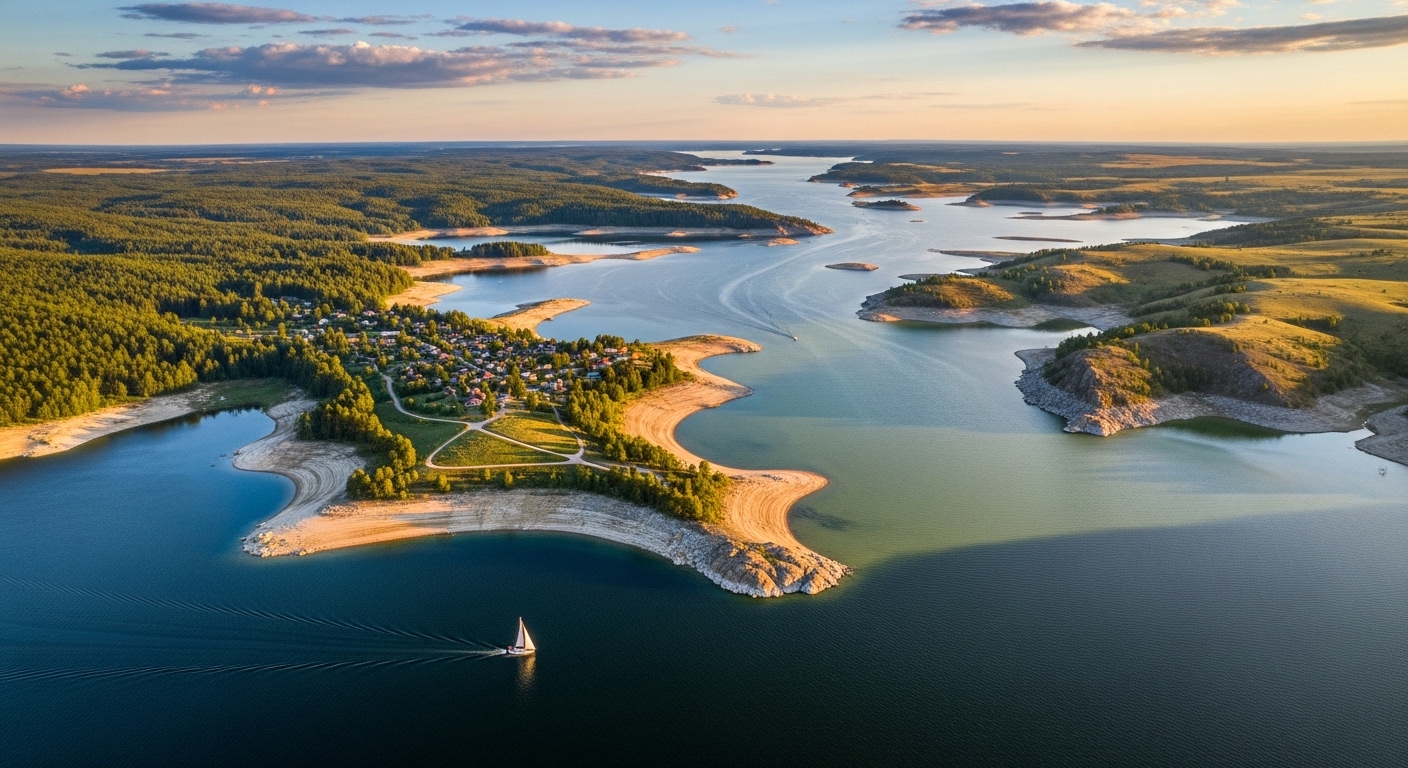
These are lakes located along or across international borders that expand or shrink due to seasonal rainfall, snowmelt, or river inflows. Because the lakes’ water levels fluctuate, the land they cover—and the national boundaries they intersect—can shift temporarily.
For example, a lake may straddle Country A and Country B during spring melt but retreat entirely into Country A in dry summer months. In extreme cases, small islands within the lake can “change nationality” depending on water levels.
What makes these lakes particularly fascinating is that borders, usually thought of as fixed, are in reality shaped by the natural rhythms of rivers, rain, and glaciers.
Why Do These Lakes Change Countries?
The main reason is seasonal hydrology. Many of these lakes are fed by rivers, glacial melt, or seasonal rainfall. During wet seasons, water spreads over low-lying areas that may belong to neighboring countries. During dry seasons, the lake shrinks and retreats.
Other contributing factors include:
- Topography: Gentle slopes allow water to flow widely across borders.
- Climate change: Shifts in precipitation patterns can exaggerate or reduce seasonal changes.
- Human interventions: Dams, irrigation, and flood management can influence how and when lakes expand.
These dynamics mean that the “ownership” of water is sometimes only temporary. For local communities, this can affect fishing rights, tourism, and even legal jurisdiction.
Famous Examples of Seasonal Border Lakes
Some hidden border lakes have become famous among geographers, travelers, and adventure seekers:
- Lake Chad: Shared by Chad, Cameroon, Nigeria, and Niger, this lake expands and contracts dramatically between wet and dry seasons. Its shifting waters have shaped the livelihoods and borders of local communities for centuries.
- Ganges-Brahmaputra Delta Lakes: In parts of India and Bangladesh, seasonal flooding creates temporary lakes that cross borders, creating floating islands that shift country by country.
- Lake Kivu: Nestled between Rwanda and the Democratic Republic of Congo, water levels in surrounding wetlands can cause islands to appear and disappear, altering perceived territorial boundaries.
- Great Lakes Seasonal Wetlands: Some smaller wetlands and lakes along the US-Canada border temporarily flood into the neighboring country during spring melt.
Visiting these lakes is like stepping into a world where geography and politics intertwine in a playful dance.

How Communities Adapt
For local residents, living near a lake that changes countries seasonally requires creativity and adaptability:
- Fishermen track seasonal boundaries to know which waters they can legally fish.
- Farmers adjust crop planting schedules based on how much land will be submerged.
- Tour operators use seasonal changes to design unique experiences, like kayaking across international waters or camping on islands that temporarily “move” from one country to another.
This adaptability is part of the charm. It demonstrates how humans have historically coexisted with natural systems rather than trying to fight them.
Tourism and Adventure Opportunities
Traveling to hidden border lakes is unlike visiting any standard destination. These places are ideal for:
- Kayaking and boating in waters that may temporarily flow between two countries.
- Birdwatching and wildlife spotting, especially in seasonal wetlands.
- Photography, capturing the surreal landscapes of islands and changing waters.
- Educational travel, learning about hydrology, climate, and international cooperation.
Some tour operators in Europe and Asia even offer “border-crossing kayak tours,” where your paddle can take you into a neighboring country for a few hundred meters before you return. It’s a reminder that borders are human constructs and water doesn’t always recognize them.
Environmental and Geopolitical Significance
Hidden border lakes have more than aesthetic value. They are vital for ecosystems and international diplomacy:
- Ecological Importance: These lakes and wetlands provide habitats for migratory birds, fish, and amphibians. Seasonal flooding creates nutrient-rich wetlands that support agriculture downstream.
- Geopolitical Negotiation: Countries sharing these lakes often establish joint management agreements. These treaties balance fishing, water usage, and conservation, showing that nature can drive collaboration.
For example, Lake Chad has seen multiple international agreements because its fluctuating boundaries affect millions of people. It’s a natural reminder that environmental stewardship and diplomacy are deeply connected.
Practical Tips for Travelers
If you want to visit hidden border lakes that change countries seasonally, keep these tips in mind:
- Check the seasonal calendar: Water levels can change dramatically in just a few weeks.
- Hire local guides: They know the safest routes and which areas may temporarily cross borders.
- Respect local regulations: Fishing, camping, and boating rules may differ depending on the season.
- Pack for diverse conditions: Some islands may be submerged during rainy months.
- Bring binoculars and waterproof gear: Wildlife and water sports are highlights.
By planning ahead, you can witness the lake’s full transformation and experience the unique sensation of standing in a space that changes nationality.

The Philosophical Appeal
There is something profound about a lake that changes countries. It challenges our perception of permanence and ownership. Borders, which are often seen as rigid, become fluid. Land, which seems fixed, becomes temporary. And yet, life goes on.
These lakes invite reflection. They remind us that the natural world operates on cycles that humans often try—and fail—to control. They teach patience, observation, and respect for forces beyond our power.
Future of Border Lakes in a Changing Climate
Climate change adds another layer of complexity. Increased rainfall or drought can make these lakes more unpredictable. Rising temperatures can affect water quality, fish populations, and the timing of seasonal expansions.
Scientists are using satellite imagery and hydrological models to predict these changes and guide local communities. Understanding how these lakes behave helps policymakers, travelers, and ecologists plan for sustainable use and conservation.
Engage With Nature and Share Your Experience
Have you ever visited a hidden border lake? Did you notice how the water shifted with the season? How did it feel to stand in a place that could change nationality within months?
We encourage you to share your stories in the comments. Your experiences help others see the magic of these natural wonders and understand the delicate balance between human borders and natural cycles.
Follow WentWorld on social media for more captivating stories about travel destinations, unique ecosystems, and hidden places around the globe. Let’s explore the world together!
Catch up on the top stories and travel deals by subscribing to our newsletter!