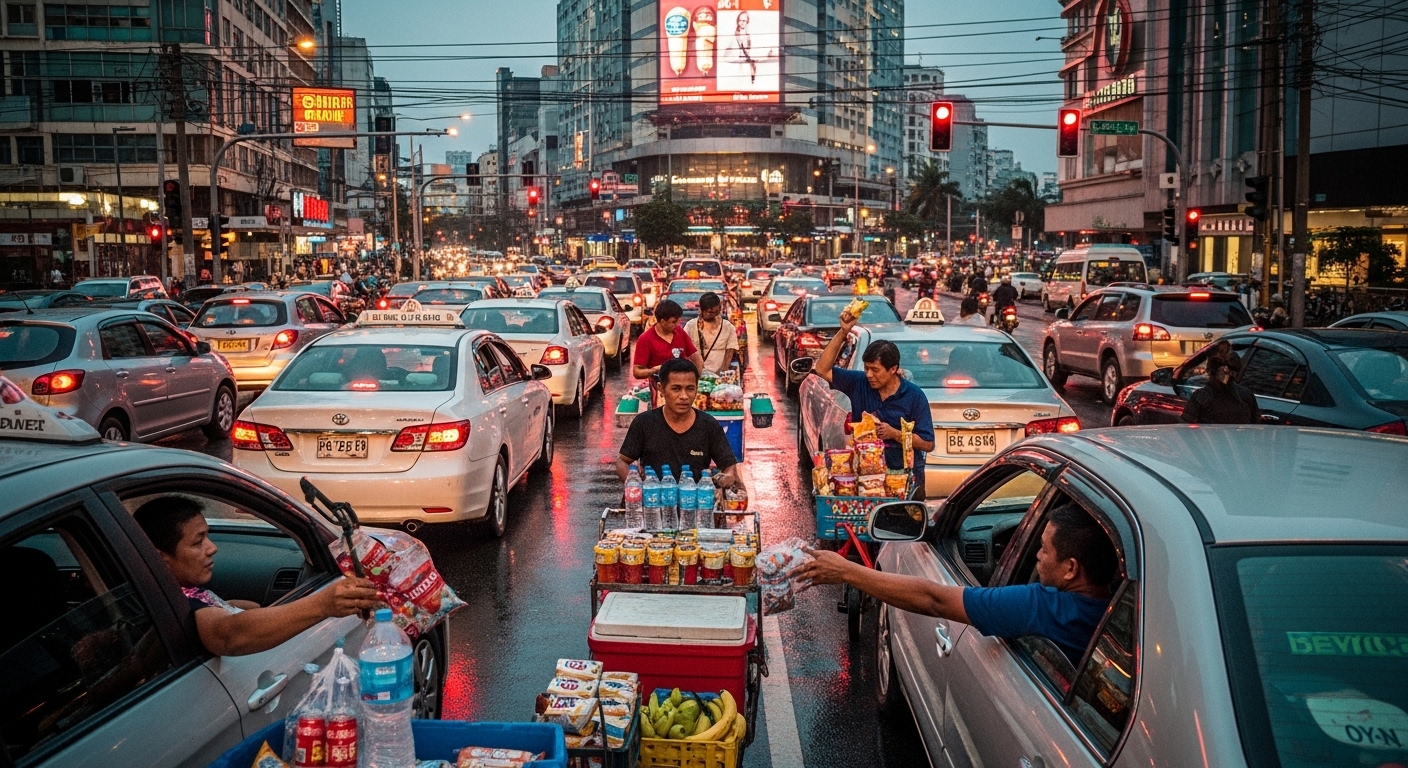
Have you ever found yourself waiting at a red light and noticed vendors suddenly appear out of nowhere, offering snacks, drinks, and local delicacies? These spontaneous pop-up setups are what we call highway markets that only exist at red lights. They are fleeting, vibrant, and uniquely tied to the rhythm of traffic.
It’s a phenomenon that combines urban hustle, local entrepreneurship, and cultural flavor all in one place. These micro-markets operate on a simple principle: the moment traffic halts, business begins. And the moment vehicles start moving, the stalls vanish, blending back into the sidewalks or side streets.
Next time you find yourself stuck in traffic, have you considered looking around more closely? You might be witnessing a miniature marketplace teeming with life, often overlooked by the casual commuter.
What Are Highway Red-Light Markets?
Highway markets that only exist at red lights are temporary vendors who set up on the sides of intersections, overpasses, or city highways. They sell a variety of items, from fruits, beverages, and snacks to small trinkets and sometimes even handcrafted goods. These markets are particularly common in densely populated urban centers across Asia, Africa, and Latin America.
The concept is simple: sellers capitalize on the predictable pattern of traffic lights to reach a captive audience. Drivers and passengers, stuck in their vehicles, become potential customers without leaving their seats.
Interestingly, these markets are not officially sanctioned in many cities. Vendors often work in a gray area, balancing between entrepreneurial opportunity and municipal regulations.
The Thrill of Ephemeral Commerce
What makes these markets fascinating is their ephemeral nature. One minute, there’s nothing but asphalt; the next, colorful umbrellas and baskets full of goods line the street. The interaction lasts as long as the light remains red, creating a microcosm of commerce that vanishes almost as quickly as it appears.
This fleeting nature gives both sellers and buyers a sense of excitement. It’s like a tiny festival that lasts just a few minutes. Have you ever bought something from a vendor in that brief window? The experience can be surprisingly delightful and humanizing, breaking the monotony of traffic.

Global Examples of Red-Light Markets
Across the world, red-light markets vary in scale and offerings:
- Bangkok, Thailand: Street vendors here are masters of timing, often selling fresh fruits, iced drinks, and local snacks. Their presence at traffic lights has become a staple of the city’s roadside culture.
- Lagos, Nigeria: Informal vendors sell everything from packaged snacks to mobile phone accessories, often weaving in and out between vehicles, showcasing incredible agility.
- Mexico City, Mexico: Vendors sell tacos, beverages, and souvenirs at busy intersections. The markets are tightly integrated into daily commutes, with some families running these businesses for generations.
- Mumbai, India: From samosas to cold drinks, the roadside vendors make use of red lights to reach office-goers and students during peak traffic hours.
In all these cities, red-light markets are more than just commercial activity—they are cultural phenomena. They reflect local tastes, resourcefulness, and a community’s adaptation to urban density.
Why These Markets Work
Several factors contribute to the success of highway markets at red lights:
- Captive Audience: Drivers and passengers are literally stuck, making them more likely to make impulse purchases.
- Low Overhead: Vendors don’t need permanent stalls or rentals, reducing their costs.
- Speed and Flexibility: They can set up and pack away quickly, avoiding authorities if needed.
- Human Connection: Eye contact and small gestures between sellers and buyers create a unique, personal shopping experience.
Have you ever noticed the efficiency of these vendors? Their timing, speed, and ability to serve multiple vehicles in minutes is nothing short of impressive.
Challenges Faced by Red-Light Vendors
While these markets are exciting, they are not without challenges. Safety is a major concern, as vendors work dangerously close to moving vehicles. Weather conditions, from scorching sun to sudden rains, can affect both sales and health.
Additionally, legal risks exist. Many municipal authorities consider these vendors illegal and subject them to fines or confiscation of goods. Yet, despite these obstacles, these markets thrive, demonstrating resilience and adaptability.
The Cultural and Social Significance
Highway markets at red lights are more than just a way to sell goods. They provide livelihoods, often for marginalized communities or families seeking supplemental income. They also offer cultural insight for outsiders—through food, local products, or even simple conversations, travelers can engage with the city on a different level.
In many ways, these markets serve as microcosms of urban life, reflecting creativity, hustle, and resilience. They remind us that even in highly structured environments like city streets, spontaneity and human connection find a way.

Tips for Experiencing Red-Light Markets
If you want to experience these markets safely, here are some tips:
- Observe first: See which intersections have vendors and note traffic patterns.
- Cash is king: Most sellers prefer cash, often small denominations.
- Be quick: Service windows are short, so prepare your order in advance.
- Respect safety: Don’t step into moving lanes or distract drivers.
- Engage politely: A smile and small conversation go a long way in making the experience memorable.
Wouldn’t it be fascinating if cities officially recognized some of these red-light markets, creating safe zones for them? It could combine efficiency, safety, and culture in a way that celebrates urban life rather than restricting it.
Future of Red-Light Markets
As cities modernize, the fate of red-light markets is uncertain. On one hand, urban planning and technology may limit informal vending. On the other hand, demand for quick, convenient, and local products continues to grow.
Some forward-thinking cities are experimenting with designated pop-up zones or integrating mobile vendors into transportation hubs. These innovations could formalize red-light markets while maintaining their unique charm and dynamism.
It’s worth asking yourself: if you had the chance to buy a snack or a local craft without leaving your car, would you? How much does this convenience, mixed with human interaction, change the way we view urban spaces?
Final Thoughts on Highway Markets That Only Exist at Red Lights
Highway markets that only exist at red lights are fascinating examples of adaptability, culture, and human ingenuity. They teach us that commerce doesn’t always need a building, that human connection thrives in unexpected places, and that even the briefest moments can create lasting impressions.
Next time you’re stopped at a traffic light, pay attention. Look around. You might witness a micro-market buzzing with life, creativity, and cultural expression. And perhaps, you’ll be tempted to take part in this unique urban experience.
We would love to hear from you! Have you ever bought something from a red-light vendor? What was the experience like? Share your stories in the comments below and let’s celebrate these hidden pulses of city life together.
Don’t forget to follow WentWorld on social media to explore more unique urban discoveries and cultural phenomena from around the globe.
Catch up on the top stories and travel deals by subscribing to our newsletter!