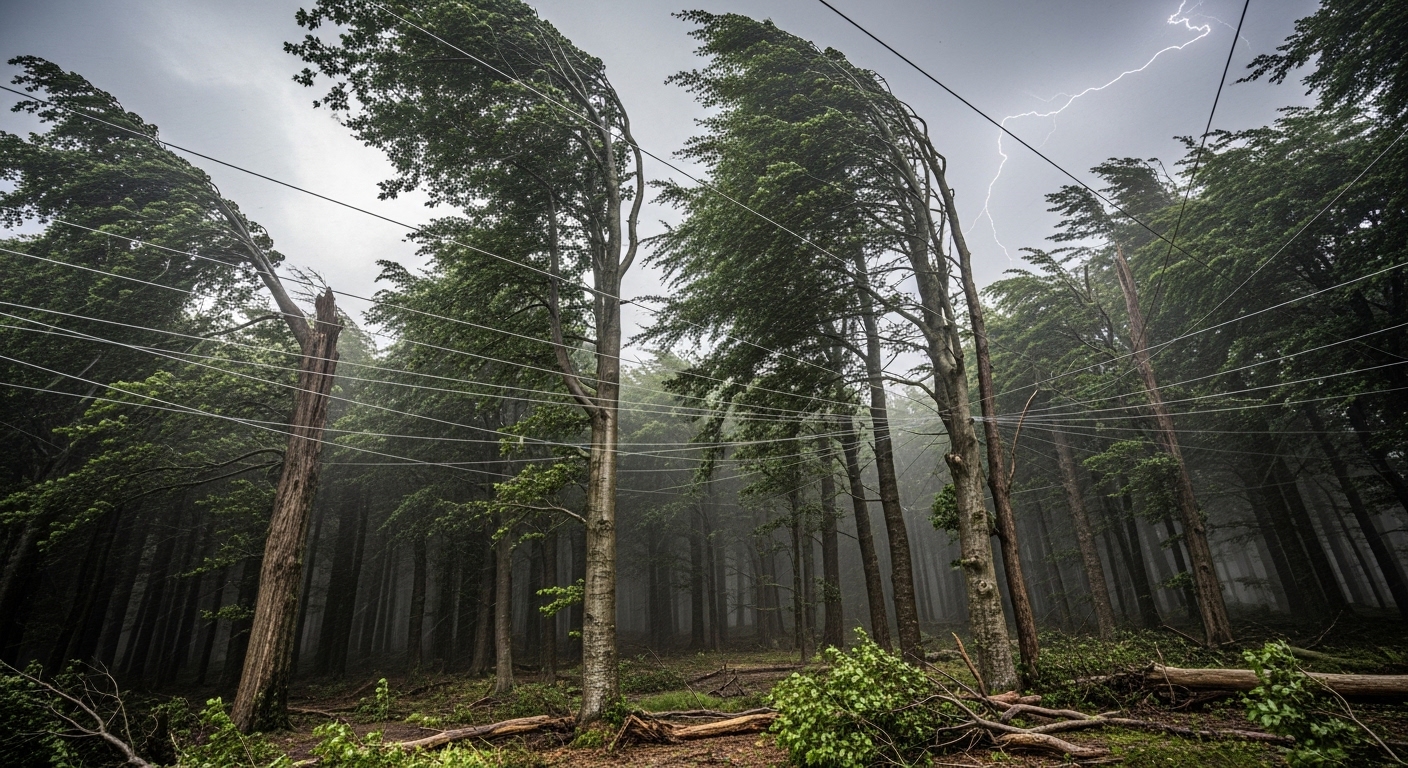
Imagine standing in a forest as a storm approaches. Suddenly, the wind moves through the trees, and the forest begins to sing. Wind harp forests that play during storms create hauntingly beautiful natural music, where gusts of air turn trunks, branches, and even tensioned wires into resonating instruments. The experience feels almost magical, as if the storm itself is performing a symphony designed for your ears alone.
These forests combine nature, art, and physics in ways that few places on Earth can replicate. Some occur naturally, shaped by closely spaced trees and wind corridors. Others involve carefully installed wind harps that interact with the environment. Either way, the result is a mesmerizing concert during storms that lingers in your memory long after the wind dies down. Have you ever felt that kind of awe standing in a landscape?
At WentWorld.com, we love exploring locations that awaken the senses. Wind harp forests that play during storms challenge our ideas of what a forest should sound like. Instead of rustling leaves alone, you hear low hums, high-pitched whistles, vibrating tones, and layered harmonics that rise and fall as the wind intensifies.
Understanding Wind Harp Forests and Their Music
Wind harps, also known as Aeolian harps, date back thousands of years. Ancient civilizations discovered that stretched strings vibrate in the wind, producing delicate, shifting tones. Now, imagine the principle expanded to entire forests. In some places, tall trees grow close together, naturally funneling wind. In others, artists install tensioned wires between trunks or construct sound sculptures that resonate during storms. When the wind blows, the forest transforms into a massive, living instrument.
Wind harp forests that play during storms often remain hidden or unmarked on maps. Travelers sometimes stumble upon them by chance, while other sites are deliberately designed to blend art with nature. Either way, standing amidst one is an unforgettable, almost mystical experience.
The Science Behind the Sound
Strong winds create vibrations when they pass through objects. In forests, hollow branches, tight bark fibers, and tree cavities act as natural resonators. As wind speeds rise during storms, these vibrations amplify, producing layered tones. The effect can resemble flutes, cellos, or even distant choral voices.
In designed installations, pitch depends on string length and thickness. Multiple resonating objects in one area create harmonics that build into complex compositions. Institutions such as NASA explain similar vibration principles in other contexts. Although the science is precise, the sound feels profoundly emotional.

The Singing Ringing Tree, England
One famous example is the Singing Ringing Tree in Lancashire, England. Though it is a sculptural installation rather than a forest, its location on open moorland allows storms to flow freely. Steel pipes arranged in a spiral vibrate with the wind, producing eerie melodic hums. Visitors compare the sound to distant organ notes. For more details, Lonely Planet provides helpful information for travelers.
Now imagine similar effects amplified within a dense forest. The sound becomes immersive, with multiple layers of resonance as trees and wires harmonize with each gust. The forest itself performs, creating a natural orchestra.
Sea Ranch Wind Harp, California
Along California’s coast stands the Sea Ranch Wind Harp, crafted by artist Bruce Taylor. Positioned to catch Pacific storms, this installation features tall poles strung with wires that vibrate in strong wind. The combination of artistic design and natural surroundings transforms the area into a living symphony during storms.
Coastal forests nearby join in, as branches sway and leaves tremble. The blend of art and nature makes this site a prime example of wind harp forests that play during storms. Visitors often include it in trips to nearby parks managed by the National Park Service.
Natural Wind Choirs in Japan’s Cedar Forests
Cedar forests in Japan create natural resonance corridors. During typhoon season, winds funnel through the trees, producing whistling and humming tones that rise and fall dramatically. Japanese culture has long valued environmental sounds for their emotional impact. Visitors often describe the experience as transformative, almost spiritual. The Japan National Tourism Organization, through japan.travel, highlights some of these atmospheric forest locations.
Storms Intensify the Music
Calm breezes produce gentle, subtle tones, but storms dramatically change the experience. Stronger winds increase vibration, tension in branches, and the layering of harmonics. Each storm is unique, with shifting gusts altering pitch and resonance. The unpredictability is part of the magic. Would you brave a storm to hear nature perform in real-time?

The Emotional Power of Forest Music
Visitors often feel awe mixed with humility. Storms demonstrate nature’s raw power, yet when that power creates music, the sensation shifts from fear to wonder. Research published by organizations like National Geographic shows that environmental sound can deeply influence memory and emotion. Hearing a forest sing in the wind stays with you long after you leave.
These forests also encourage mindfulness. While traveling, we often focus on sights, photographing landscapes and recording videos. Yet the auditory experience—the immersive sound—can leave a more lasting impression.
Responsible Exploration
Experiencing wind harp forests safely requires preparation. Storms can be dangerous, with falling branches, lightning, and slippery ground. Follow local advisories and respect the environment. Avoid disturbing installations or damaging trees, as the delicate ecosystems and artistic elements must remain intact for future visitors.
Why Wind Harp Forests Matter
These forests remind us that storms can create beauty, not just destruction. They combine art, science, and wilderness into a live performance shaped by nature. Wind harp forests that play during storms challenge our expectations and invite travelers to listen actively to the environment.
At WentWorld.com, we believe travel should awaken curiosity. Have you ever stood in a forest where the wind seemed to perform? Share your experiences and thoughts. Your stories might inspire others to explore with their senses wide open.
If you enjoy journeys into the extraordinary corners of our planet, follow WentWorld.com on social media to stay connected with more awe-inspiring destinations.
Catch up on the top stories and travel deals by subscribing to our newsletter!