Planning a trip around regional food festivals is one of the most rewarding and immersive ways to travel. Instead of building your journey around landmarks alone, you build it around flavor, culture, aroma, and community. Regional food festivals offer something deeper than sightseeing. They offer stories served on plates, traditions passed through recipes, and connections formed over shared tables. If you have ever wanted your travels to feel more meaningful and delicious at the same time, planning a trip around regional food festivals might be exactly what you need.
Food has always been one of the strongest expressions of identity. A festival dedicated to local cuisine is not just about eating; it is about heritage, pride, and celebration. From small-town harvest fairs to internationally recognized culinary events, these gatherings bring locals and travelers together in ways that feel authentic and unforgettable.
So how do you begin planning a trip around regional food festivals without feeling overwhelmed? How do you choose which festival deserves your time, budget, and appetite? In this comprehensive guide by WentWorld.com, we will explore everything you need to know, from research and budgeting to cultural etiquette and sustainable travel choices.
Why Planning a Trip Around Regional Food Festivals Changes the Way You Travel
When you plan travel around a food festival, your itinerary naturally becomes more focused. Instead of rushing between tourist attractions, you slow down and anchor your days around a specific event. This creates a richer experience.
Regional food festivals are deeply rooted in local traditions. For example, Oktoberfest in Munich is not simply about beer. It is about Bavarian culture, music, attire, and centuries-old customs. Likewise, the La Tomatina Festival in Spain celebrates agricultural abundance in a uniquely playful way.
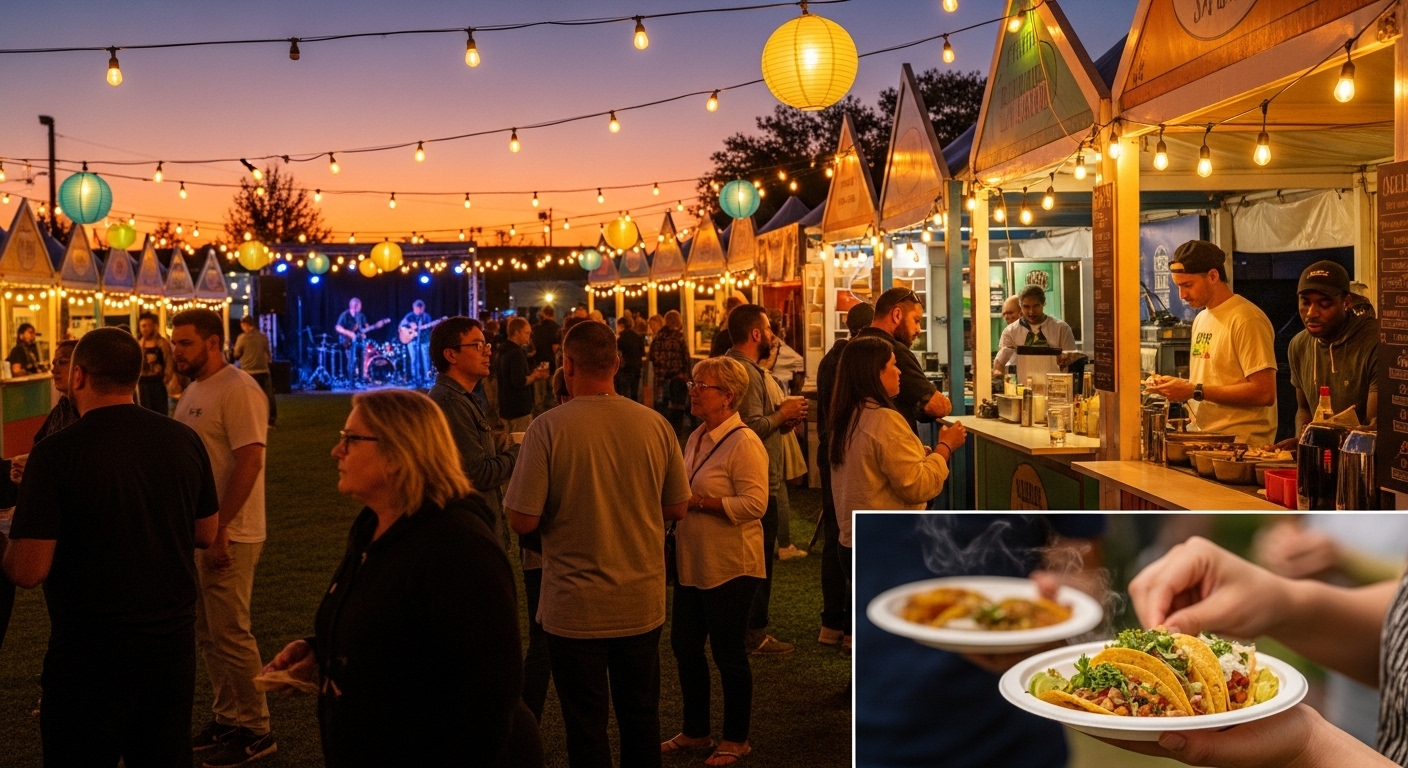
By planning a trip around regional food festivals, you automatically align your travel dates with moments of celebration. You see communities at their most vibrant. Streets are alive. Markets are colorful. Kitchens are busy. Does that not sound more exciting than standing in a crowded queue at a generic attraction?
How to Choose the Right Festival for You
The world is full of food festivals. The key is selecting one that aligns with your interests, budget, and travel style.
Start by asking yourself a few simple questions. Are you drawn to street food or fine dining? Do you prefer small-town charm or large-scale international events? Are you comfortable with crowds, or do you prefer more intimate gatherings?
If you love seafood, the Maine Lobster Festival in the United States might appeal to you. If truffle hunting fascinates you, Italy’s Alba White Truffle Fair could be perfect. Wine lovers might explore events in regions like Bordeaux or Napa Valley.
Researching tourism boards and trusted travel platforms like Lonely Planet can help you discover hidden gems beyond globally famous festivals.
Think about timing as well. Many festivals align with harvest seasons. Autumn is particularly rich in food celebrations worldwide. Would you prefer sipping mulled cider under crisp leaves or enjoying tropical fruit festivals in warm climates?

Building Your Itinerary Around the Festival
Once you have selected your event, the next step in planning a trip around regional food festivals is structuring your itinerary smartly.
First, confirm festival dates and ticket requirements. Some events sell out months in advance. Accommodation near festival grounds also fills quickly. Booking early often saves money and stress.
Plan to arrive at least one day before the festival begins. This buffer allows you to adjust to time zones, explore the area, and avoid missing key events due to travel delays.
Then, build supporting activities around the festival. If you are attending a cheese festival in France, why not visit nearby dairy farms? If you are going to a chili festival in Mexico, consider taking a cooking class to deepen your understanding of regional flavors.
Budgeting for a Food-Focused Trip
It may sound obvious, but planning a trip around regional food festivals requires a slightly different budget approach. Food becomes both your attraction and your souvenir.
Allocate funds not just for entry tickets, but for tastings, specialty products, and workshops. Many festivals offer premium experiences such as chef demonstrations or guided pairing sessions.
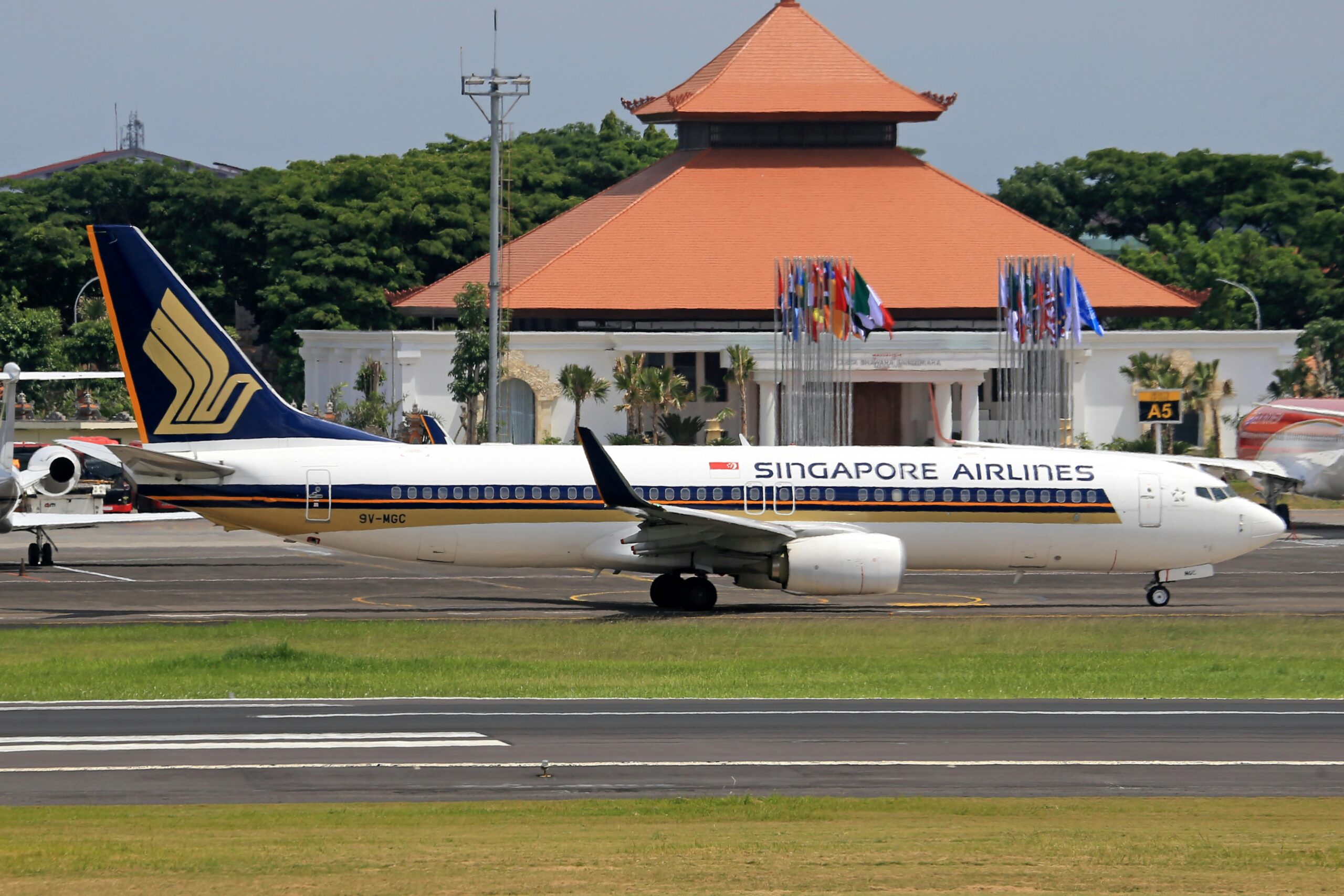
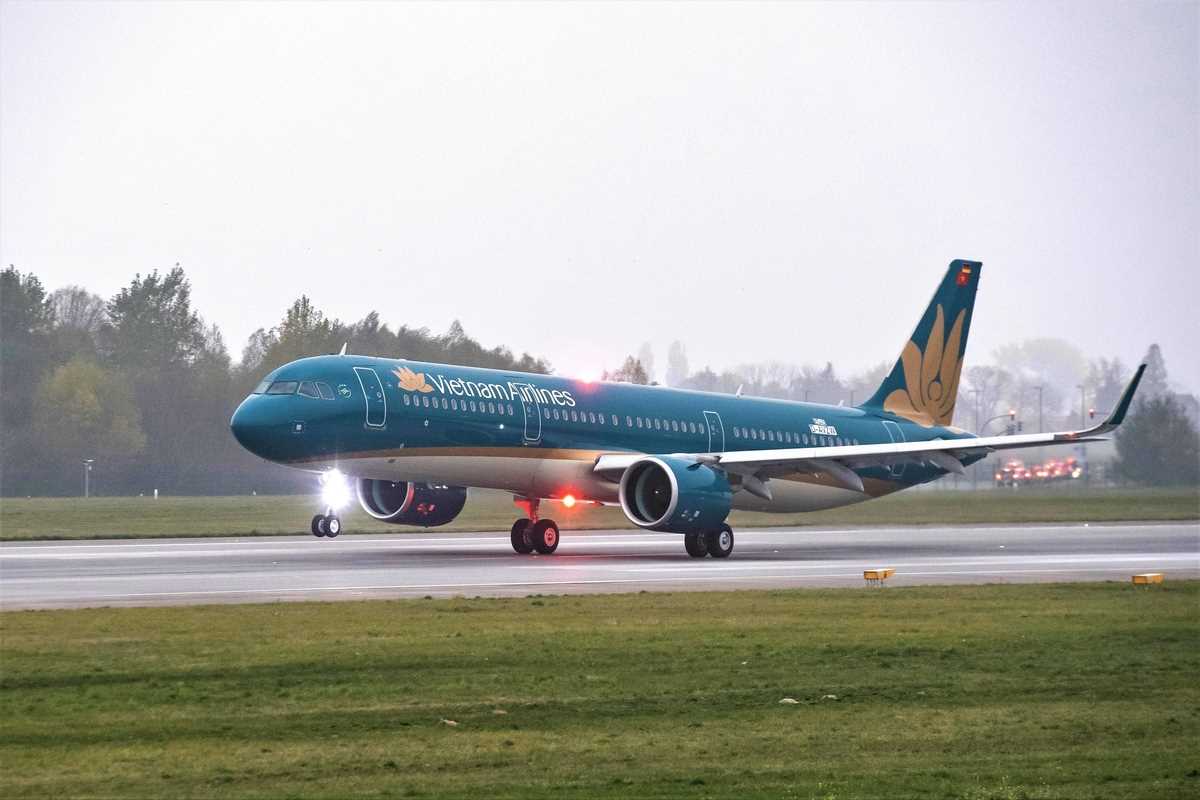
Transportation costs can vary depending on location. Airlines such as Emirates or Delta Air Lines often provide seasonal deals that align with major travel periods. Monitoring fares in advance can make a significant difference.
Also consider travel insurance. Platforms like World Nomads offer options tailored to travelers attending events abroad.
Have you ever underestimated how much you would spend on food during a trip? Festivals can tempt even the most disciplined traveler.
Understanding Cultural Etiquette at Food Festivals
Food is personal. It carries history and meaning. Respecting local customs is essential when attending regional food festivals.
Learn a few basic phrases in the local language. Expressing appreciation for a dish in the native tongue goes a long way. Observe how locals interact with vendors. Do they queue formally? Do they share tables?
In some cultures, refusing a tasting can be seen as impolite. In others, bargaining is expected. Researching these nuances ensures your experience remains positive and respectful.
Ask yourself: are you traveling as a consumer, or as a curious guest willing to learn?
Capturing the Experience Without Missing It
Food festivals are visually stunning. Bright spices, sizzling grills, steaming dumplings, and decorated stalls create incredible photo opportunities. However, it is easy to become so focused on capturing content that you forget to savor the moment.
Take photos, yes. But also put the camera away. Taste slowly. Listen to music. Watch families interacting. These sensory details will stay with you longer than any filtered image.
If you share your experience online, tag local vendors and tourism boards. Supporting small businesses digitally helps sustain these traditions.
Sustainable and Responsible Festival Travel
Planning a trip around regional food festivals also carries environmental responsibility. Festivals can generate significant waste. Bring reusable utensils and water bottles where permitted. Support vendors who prioritize sustainable sourcing.
Consider staying in locally owned accommodations instead of international chains. This ensures your spending supports the community hosting the festival.
Additionally, respect food quantities. Avoid over-purchasing simply for novelty. Sampling thoughtfully reduces waste and ensures everyone can enjoy the offerings.
Turning One Festival Into a Culinary Journey
One of the most exciting aspects of planning a trip around regional food festivals is the possibility of expanding it into a larger culinary route. For example, if you attend a chocolate festival in Belgium, why not explore multiple cities known for their confectionery traditions?
You could map a route connecting farmers markets, historic restaurants, and regional producers. This transforms a single event into a layered travel experience.
Have you ever considered planning an entire year of travel based on seasonal food events? Imagine cherry blossom mochi in Japan during spring, seafood boils in summer, harvest festivals in autumn, and winter spice markets in Europe.

Unexpected Benefits of Festival-Based Travel
Travel built around food festivals often leads to unexpected friendships. Sharing tables naturally sparks conversation. You may exchange travel tips with fellow visitors or hear stories from locals who have attended the event since childhood.
There is also educational value. You learn about agricultural cycles, climate influences, and culinary techniques. You gain insight into how globalization has influenced traditional dishes.
Most importantly, you leave with memories anchored in taste and smell, two of the strongest memory triggers humans possess.
Common Mistakes to Avoid
Do not underestimate crowd sizes. Large festivals can be overwhelming. Arrive early to avoid peak congestion.
Do not ignore hydration and rest. Sampling rich dishes for hours can be exhausting.
Do not plan every minute. Leave space for spontaneity. Some of the best discoveries happen when you wander beyond the main stage.
Making It a Tradition
After your first experience planning a trip around regional food festivals, you may find yourself wanting to make it a yearly tradition. Many travelers revisit the same festival annually, building connections with vendors and communities.
Others create a personal list of must-visit culinary celebrations around the world. It becomes a passport stamped not just with borders crossed, but with flavors experienced.
At WentWorld.com, we believe travel should feed both curiosity and appetite. Regional food festivals offer exactly that balance.
Now we would love to hear from you. Have you ever planned a trip specifically to attend a food festival? Which destination surprised you the most? Are there festivals on your bucket list that you are eager to experience?
Share your thoughts and experiences in the comments. Your insights might inspire fellow travelers.
If you enjoy travel stories that combine culture, flavor, and meaningful exploration, follow WentWorld.com on our social media platforms and join our growing community of curious explorers.
Catch up on the top stories and travel deals by subscribing to our newsletter!