Have you ever planned a trip based not on landmarks, food, or Instagram views, but purely on sound? Designing a journey around natural sounds may feel unconventional, yet it can completely transform the way you experience the world. Instead of chasing attractions, you begin listening. Instead of ticking boxes, you tune into wind, water, wildlife, and silence. When you design a journey around natural sounds, travel becomes slower, deeper, and surprisingly emotional.
Most of us associate travel with visuals. Mountains. Beaches. Skylines. But what if the real magic lies in what we hear? The rhythmic crash of Atlantic waves. The whisper of pine forests in northern Europe. The echo inside desert canyons. Natural soundscapes shape our emotional response to a place just as strongly as scenery does. In fact, scientists and sound ecologists have long studied how natural audio environments affect our mood, memory, and well-being.
So how exactly do you design a journey around natural sounds? How do you choose destinations, plan timing, and immerse yourself fully in an auditory adventure? In this guide by WentWorld.com, we explore how to create a travel experience that revolves around listening rather than looking.
Why Natural Sounds Matter More Than You Think
Before you design a journey around natural sounds, it helps to understand why they matter. Natural soundscapes have been shown to reduce stress and improve cognitive performance. Research shared by organizations such as National Geographic highlights how immersive nature experiences influence mental well-being. Sound plays a crucial role in that immersion.
Think about rain hitting leaves in a tropical forest. Or waves retreating over pebbles on a quiet shoreline. These sounds are rhythmic and predictable, which signals safety to the brain. Contrast that with traffic noise or constant digital alerts. One calms you. The other drains you.
When was the last time you truly listened to a place without distraction? Not recorded audio. Not background noise. Just the living environment around you.
Step One: Choose Your Core Sound Theme
The first step to design a journey around natural sounds is choosing a core theme. Natural sounds vary widely depending on geography and climate. You might focus on ocean rhythms, desert silence, alpine wind, rainforest biodiversity, or volcanic landscapes.
For example, coastal sound journeys could take you to places like Iceland’s black sand beaches or the dramatic cliffs along Portugal’s Atlantic coast. Airlines such as Icelandair make access to remote coastal environments easier, allowing travelers to explore windswept soundscapes.
If forest acoustics draw you in, destinations like the Pacific Northwest in the United States offer layered sound experiences. The U.S. National Park Service at nps.gov even discusses the importance of preserving natural sound environments in protected parks.
Ask yourself: which sound environment makes you feel grounded? Waves? Birds? Wind? Silence?

Step Two: Research Seasonal Variations
Timing changes everything when designing a journey around natural sounds. The same location can sound completely different depending on the season.
Spring in a European forest means birdsong at sunrise. Summer on a tropical island brings louder insect activity at dusk. Winter in northern regions may offer deep, almost surreal silence when snow absorbs ambient noise.
For example, the Scottish Highlands provide dramatically different soundscapes throughout the year. Tourism resources like VisitScotland often highlight seasonal experiences, but few emphasize listening as the main objective. Yet imagine standing near a loch at dawn, hearing distant sheep calls echo across still water.
Would you rather hear migration patterns in spring or frozen stillness in winter? Your season defines your soundtrack.
Step Three: Plan Your Days Around Sound Windows
If you want to design a journey around natural sounds successfully, structure your days differently from typical sightseeing trips. Early mornings and twilight hours often produce the richest soundscapes.
Bird activity peaks at sunrise. Coastal winds calm before mid-morning. Desert environments shift in tone as temperatures change. Even waterfalls can sound different depending on daily snowmelt cycles.
Instead of late nights and rushed mornings, prioritize rest and early starts. Imagine sitting beside a crater lake before sunrise, hearing nothing but the faint ripple of water and distant wind brushing rock formations. That experience cannot be replicated at noon.
Destinations Perfect for a Natural Sound Journey
Certain locations naturally lend themselves to auditory exploration. Iceland offers geothermal bubbling fields and crashing surf. Costa Rica provides dense rainforest soundscapes filled with howler monkeys and layered bird calls. Japan’s rural temples often sit within bamboo forests that create soft percussive tones when wind passes through.
The Amazon basin remains one of the most complex sound environments on Earth. Conservation organizations such as World Wildlife Fund discuss biodiversity preservation, but experiencing the rainforest acoustically reveals its intricate rhythm more than any statistic can.
Closer to deserts, the Sahara offers a different kind of music. Wind over dunes produces low-frequency hums. At night, the absence of noise becomes the dominant feature. Have you ever experienced true silence?
Learning to Listen Without Recording Everything
When you design a journey around natural sounds, resist the urge to constantly record them. While field recordings can be valuable, over-documenting may reduce presence. Sometimes, the goal is to absorb rather than capture.
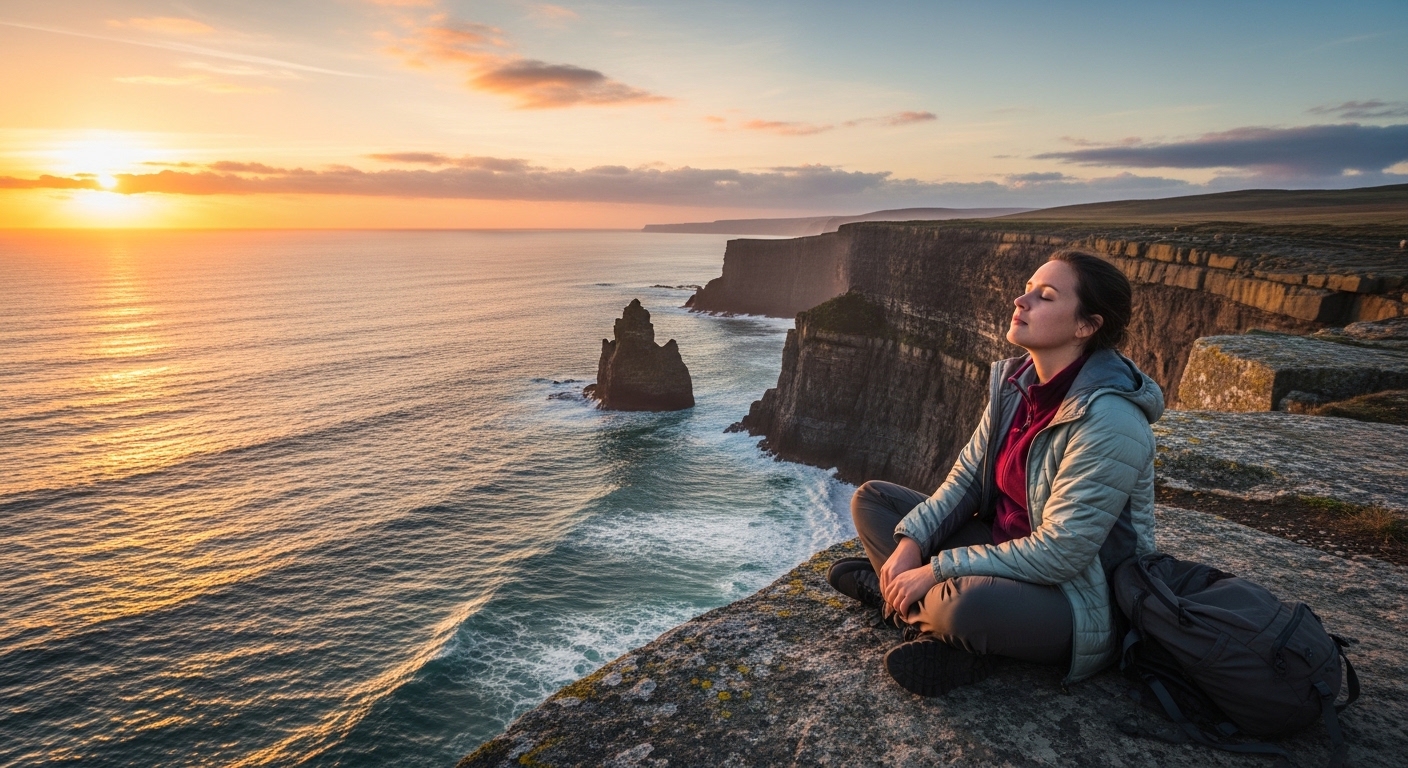
Try sitting still for ten uninterrupted minutes. Close your eyes. Identify each sound separately. Wind. Distant animal movement. Leaves shifting. Water droplets. Then notice how they layer together into a cohesive soundscape.
Many travelers find this practice surprisingly challenging at first. We are conditioned to seek visual stimulation. Listening requires patience. But patience often brings depth.
Minimal Gear, Maximum Awareness
Unlike photography-focused travel, designing a journey around natural sounds requires minimal equipment. Comfortable clothing, perhaps a journal, and optional lightweight audio equipment if you are documenting professionally.
Noise-canceling headphones may seem useful, but they are unnecessary in remote environments. Instead, consider ear protection only in windy desert conditions if sand becomes intense.
The real tool is attention. Your awareness shapes the experience more than any device.

The Emotional Shifts You May Experience
Many travelers report emotional changes when they design a journey around natural sounds. Anxiety decreases. Thoughts slow down. Internal dialogue softens.
Natural rhythms can recalibrate how we process time. A waterfall does not rush. Wind does not schedule itself. Birdsong follows instinct rather than agenda. Immersing yourself in these patterns subtly influences your own pace.
Have you ever returned from a trip feeling truly rested rather than exhausted? Sound-centered travel increases the chance of that outcome.
Respecting Fragile Sound Environments
As interest in slow travel grows, protecting natural soundscapes becomes increasingly important. National parks and reserves worldwide are working to reduce human-generated noise pollution.
When visiting sensitive areas, avoid loud conversations, drones, or amplified music. The goal is to integrate, not interrupt. Sound-centered travel is about humility and awareness.
By designing journeys around natural sounds, you become part of the environment rather than a disturbance within it.
Bringing the Practice Home
Perhaps the most powerful outcome of learning to design a journey around natural sounds is that it changes how you listen at home. You may begin noticing rainfall differently. Or wind through city trees. Even urban parks reveal layered soundscapes when approached intentionally.
Travel then becomes training. You learn how to listen deeply in remote locations and carry that habit back into everyday life.
At WentWorld.com, we believe travel should expand perception, not just geography. Designing a journey around natural sounds invites you to experience destinations beyond the surface.
Now we would love to hear from you. If you could build a trip purely around sound, where would you go? Would it be ocean waves, rainforest calls, desert winds, or mountain echoes? Share your thoughts and experiences with us.
If this perspective resonates with you, follow WentWorld.com on our social media platforms for more thoughtful and immersive travel stories that explore the world in unexpected ways.
Catch up on the top stories and travel deals by subscribing to our newsletter!