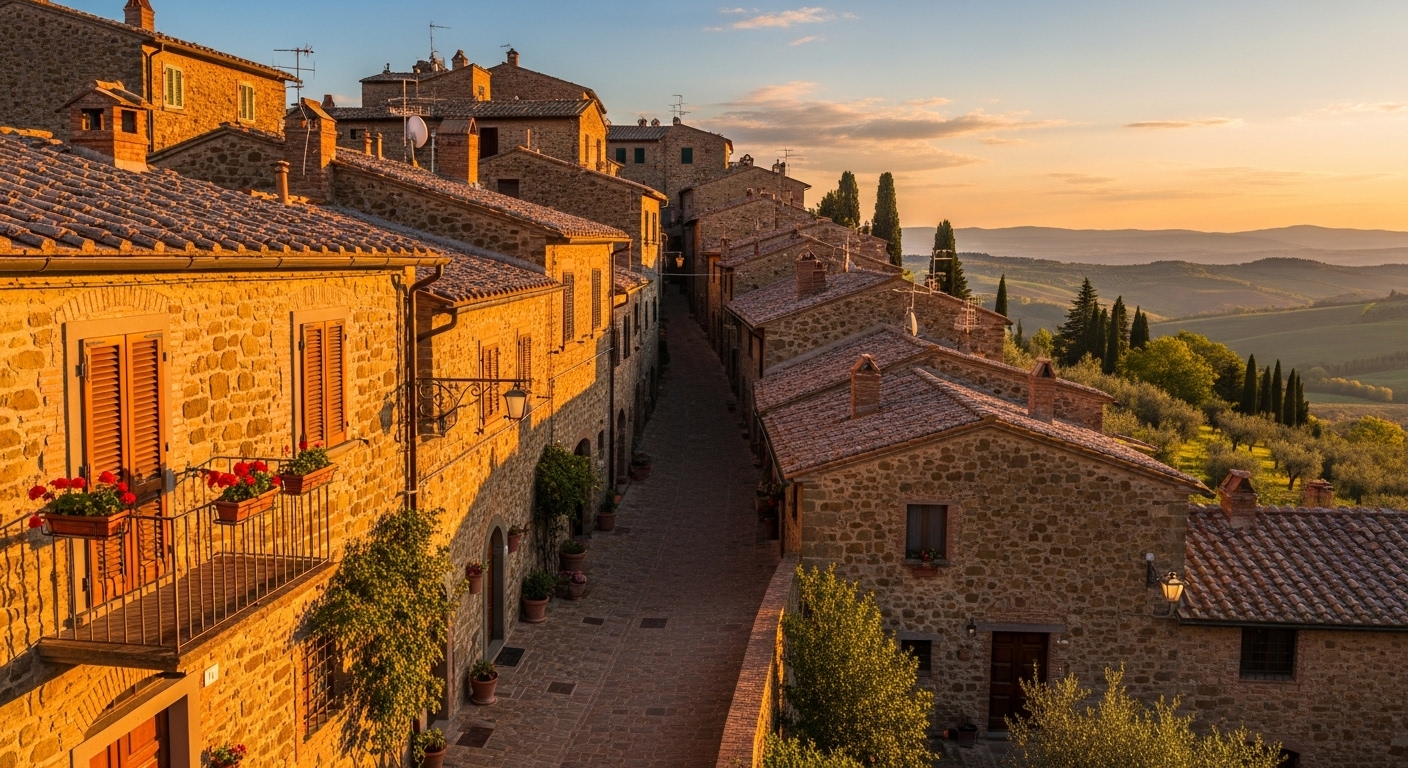
There is something deeply powerful about walking through a village built entirely from stone. The texture of the walls, the coolness of the narrow alleys, and the way sunlight reflects off centuries-old masonry create an atmosphere that modern cities simply cannot replicate. Exploring regions known for stone villages is not just about architecture; it is about stepping into living history. These villages whisper stories of survival, craftsmanship, culture, and community.
Across Europe, Asia, and the Mediterranean, stone villages stand as enduring reminders of human resilience. Built to withstand harsh climates, invasions, and time itself, these settlements remain remarkably intact. Many are still inhabited, which makes visiting them even more special. Have you ever wondered what daily life felt like hundreds of years ago? Stone villages offer one of the closest experiences you can get.
Why Stone Villages Continue to Fascinate Travelers
Stone has always been a practical building material. It is durable, insulating, and often readily available in mountainous or rocky regions. But beyond practicality, stone villages possess an emotional appeal. They feel grounded, authentic, and deeply connected to their landscape.
Unlike modern developments, these villages grew organically. Homes cluster together for warmth and protection. Narrow pathways curve naturally with the terrain. Roofs often use slate or limestone, blending seamlessly with surrounding hills.
When exploring regions known for stone villages, travelers often describe a sense of calm. There are fewer cars, fewer distractions, and more opportunities to observe small details. Do you find yourself craving slower, more meaningful travel experiences?
Italy: Medieval Stone Villages Frozen in Time
Italy is perhaps one of the most famous destinations for stone architecture. Regions like Tuscany, Umbria, and Puglia are filled with hilltop villages built from local limestone and sandstone.
In Tuscany, towns such as San Gimignano and Montefioralle rise dramatically above vineyards, their stone towers defining the skyline. The thick walls once protected residents from rival city-states. Today, they shelter artisan shops, family-run trattorias, and quiet homes.
In southern Italy, the trulli houses of Alberobello represent a unique form of stone construction. These whitewashed limestone dwellings with conical roofs attract visitors from around the world. You can learn more about Italy’s preserved villages through Italia.it.
When exploring regions known for stone villages in Italy, you quickly realize that food, architecture, and landscape blend into one unforgettable experience.

France: The Golden Stone Villages of Provence
France offers some of Europe’s most picturesque stone settlements. In Provence, villages like Gordes and Roussillon glow with warm hues of limestone and ochre. These villages are carefully preserved and celebrated for their historic charm.
Walking through Provence feels cinematic. Balconies overflow with flowers. Shutters frame stone windows. Cafés spill into cobbled squares. Official tourism information is available at France.fr.
Why do these villages remain so captivating? Perhaps it is because they represent continuity. Generations have lived within these walls, adapting but never abandoning their heritage.
Greece: Stone Settlements by the Sea
In Greece, stone villages appear both in mountainous regions and along dramatic coastlines. The Mani Peninsula is famous for its fortified stone tower houses, built to defend against rival clans. Meanwhile, villages in Crete and Epirus showcase simple yet elegant stone homes clustered tightly together.
Exploring regions known for stone villages in Greece means experiencing both history and natural beauty. Rugged cliffs meet the sea. Olive groves surround ancient homes. Life feels slower, shaped by sun and wind rather than technology.
Travel planning resources can be found at Visit Greece.
Spain: Mountain Stone Villages of Catalonia and Andalusia
Spain’s stone villages often sit dramatically along hillsides. In Catalonia, Besalú stands out with its Romanesque bridge and preserved medieval core. In Andalusia, villages like Setenil de las Bodegas incorporate natural rock formations into architecture.
These settlements demonstrate remarkable adaptation. Instead of reshaping nature, builders worked around it. Homes nestle under cliffs. Streets curve beneath stone arches. Exploring regions known for stone villages in Spain feels like discovering architecture carved directly from the earth.
For regional travel guidance, visit Spain.info.
United Kingdom: Cotswold Stone Charm
The Cotswolds in England are renowned for honey-colored limestone cottages. Villages like Bibury and Castle Combe feel almost untouched by time. The uniform stone gives the entire region a cohesive and soothing aesthetic.
Exploring regions known for stone villages in the United Kingdom reveals how architecture reflects local geology. The same limestone used for cottages also shapes churches, walls, and even bridges.
Discover more through VisitBritain.
Asia’s Hidden Stone Villages
While Europe dominates discussions about stone architecture, Asia also offers remarkable examples. In China’s Fujian province, tulou structures are massive circular stone and earth buildings that housed entire communities. In Japan’s Shirakawa-go, traditional farmhouses use stone foundations paired with steep thatched roofs.
These villages demonstrate how stone integrates with regional materials and climate needs. They also prove that exploring regions known for stone villages is not limited to one continent.

Why These Villages Survive in the Modern Era
One reason stone villages endure is their structural strength. Stone withstands fire, wind, and time. But preservation also depends on community pride and tourism support.
Many governments now protect historic villages through heritage programs. Sustainable tourism initiatives ensure that restoration maintains authenticity rather than replacing it with modern imitations.
Have you noticed how travelers increasingly seek authentic destinations instead of large cities? Stone villages offer exactly that.
Practical Tips for Visiting Stone Villages
If you are inspired to begin exploring regions known for stone villages, here are a few helpful tips:
- Visit during shoulder seasons to avoid heavy tourist crowds.
- Wear comfortable walking shoes; cobblestone paths can be uneven.
- Stay overnight if possible. Evening light transforms stone walls beautifully.
- Respect local communities. Many villages are residential, not open-air museums.
Slow travel works best here. Sit in a small café. Observe daily routines. Let the atmosphere settle in. The beauty of stone villages is subtle and rewards patience.
The Emotional Impact of Stone Architecture
Stone villages evoke something primal. They remind us of permanence in a rapidly changing world. In cities dominated by glass and steel, everything feels temporary. In contrast, stone suggests endurance.
Perhaps that is why exploring regions known for stone villages resonates so deeply. These places reassure us that beauty can survive centuries. They show that thoughtful craftsmanship matters.
Would you trade a weekend in a modern resort for a few quiet days in a centuries-old stone settlement? We would love to hear your thoughts.
Share your favorite stone village destinations in the comments below. And follow WentWorld.com on social media for more unique travel stories that celebrate heritage, culture, and unforgettable landscapes.
Catch up on the top stories and travel deals by subscribing to our newsletter!