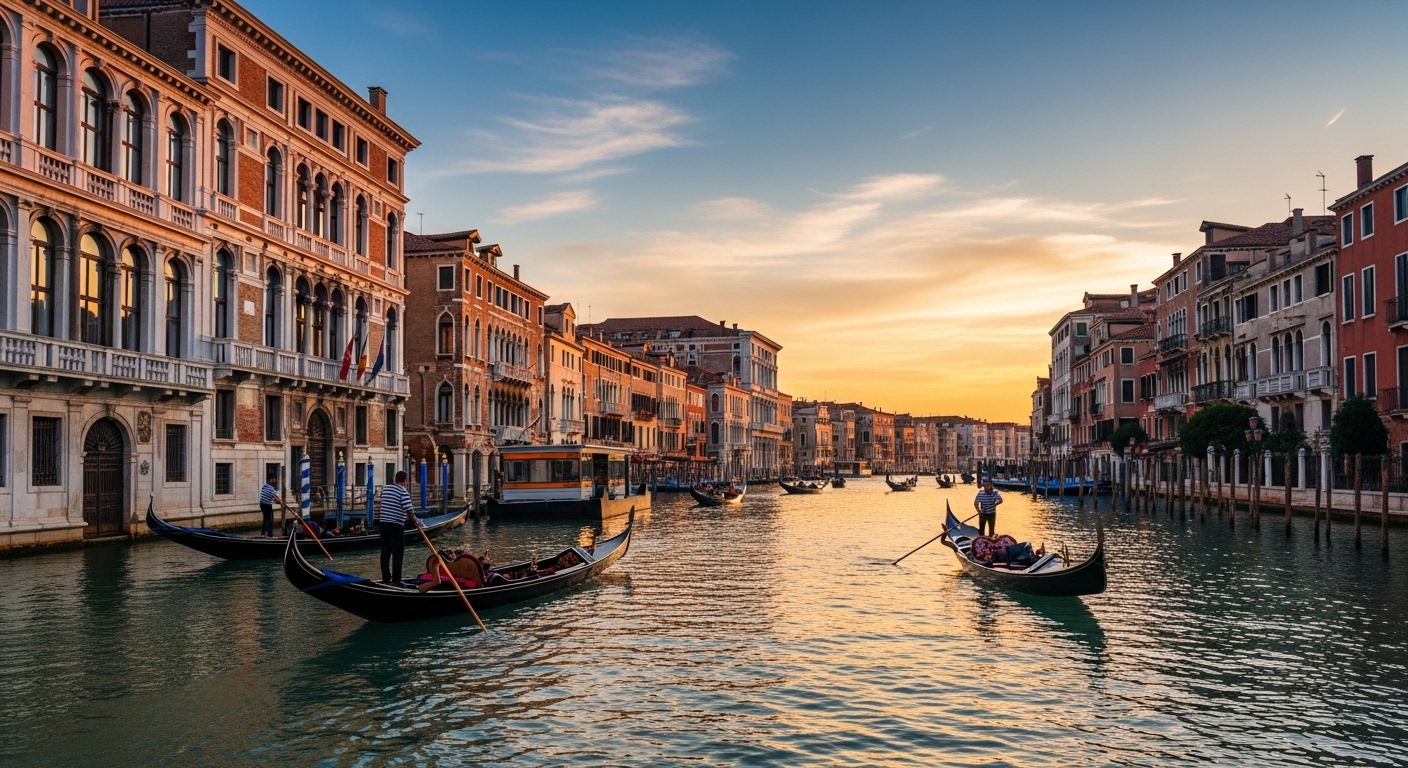
Imagine a city where cars, buses, and bicycles are replaced by boats gliding gracefully along canals. Destinations where boats replace streets offer travelers a unique way to experience urban life, blending culture, history, and the charm of waterways. From Europe to Asia, these cities invite you to explore neighborhoods, markets, and architecture from the perspective of water, creating an unforgettable travel experience.
Water-based cities are more than just picturesque—they are living systems where transportation, commerce, and daily life rely on canals and rivers. As you navigate the waterways, you witness how communities adapt to their aquatic surroundings, how trade flows through boats rather than trucks, and how traditions are preserved despite modernization. Could this be the most relaxing way to see a city?
The Allure of Cities Built on Water
What makes destinations where boats replace streets so captivating? For starters, there’s a sense of serenity that comes with gliding through a canal, with historic buildings reflecting on calm water. These cities often have centuries of history intertwined with their waterways, making every boat ride a lesson in architecture, culture, and urban planning.
Traveling by boat allows you to explore hidden corners, narrow alleys, and secret gardens that are inaccessible by road. Whether you’re heading to a floating market, a canal-side café, or a museum perched on the water, every journey feels immersive and magical. Platforms like Lonely Planet highlight the top water-based cities for cultural travelers and adventure seekers alike.
Venice, Italy: The Iconic Floating City
No list of destinations where boats replace streets is complete without Venice. Known worldwide for its Grand Canal, gondolas, and historic architecture, Venice is the epitome of a city where waterways function as streets. Locals rely on boats for daily life—deliveries, commuting, and even emergency services all happen on water.
Visitors can explore famous landmarks such as Piazza San Marco or the Rialto Bridge while enjoying boat tours that reveal hidden gems along the smaller canals. Booking experiences through Venice Tourism Official ensures access to guided canal tours, gondola rides, and cultural insights.

Amsterdam, Netherlands: Canals Meet Urban Life
Amsterdam is another city where waterways define urban mobility. While bicycles are iconic here, canals remain central to the city’s identity. Boat tours, houseboats, and floating markets showcase a culture intertwined with water management and trade.
Exploring Amsterdam by boat gives travelers a unique perspective on its historic architecture, museums, and neighborhood life. Check out Iamsterdam for tips on canal cruises and local attractions. Would you rather navigate a city by boat than walk its streets?
Bangkok, Thailand: Floating Markets and River Life
Bangkok’s canals are living arteries of trade and culture. Here, boats replace streets in many districts, carrying everything from fresh produce to handmade crafts. Markets such as Damnoen Saduak and Amphawa allow travelers to explore the vibrant life of the city while floating past colorful houses and temples.
Local operators and tours, including those listed on Tourism Thailand, provide visitors with guided experiences that highlight river transport, cultural landmarks, and the bustling rhythm of Thai life along the canals.
Giethoorn, Netherlands: The Village Without Roads
Giethoorn is often called “the Venice of the North” because it’s almost entirely car-free. Small canals serve as streets, and visitors navigate the village by boat, walking along narrow footpaths, or cycling on quaint lanes.
This charming village offers a serene escape from urban chaos, with traditional Dutch houses lining the canals. Renting a whisper boat or joining a guided tour allows you to experience life as locals do, floating from house to house. Could this be the ultimate peaceful getaway?
Udaipur, India: Lakes as Lifelines
Udaipur, often referred to as the “City of Lakes,” uses water transport extensively on its interconnected lakes. Boat rides on Lake Pichola and Fateh Sagar Lake not only serve tourists but also provide locals with daily transportation options. The palaces, temples, and floating markets accessible by boat make Udaipur a stunning example of urban planning on water.
Travelers can book boat tours through local operators listed on Rajasthan Tourism for a safe and immersive experience. How would it feel to commute across a city by boat instead of car?

Unique Experiences on Water-First Cities
Boats replacing streets offer more than just transportation—they create memorable experiences:
- Floating markets where commerce happens entirely on boats.
- Canal-side dining with restaurants accessible only by water.
- Photography opportunities that showcase historic architecture reflecting in serene waters.
- Cultural festivals on the water, including boat parades and floating lanterns.
- Eco-friendly urban travel that reduces car traffic and pollution.
Exploring these destinations allows travelers to experience culture, history, and community in ways impossible on land-based streets. Do you prefer traditional city streets or the tranquil waterways of a floating city?
Tips for Traveling in Cities Where Boats Replace Streets
- Book boat tours in advance to avoid crowds in popular destinations like Venice and Amsterdam.
- Check local regulations—some canals have speed limits or restricted access areas.
- Carry waterproof bags and shoes for comfort while navigating water routes.
- Engage with locals; boat transport often provides more personal interaction than road travel.
- Plan around tides and weather—some water routes are seasonally affected.
The Future of Water-Based Urban Transport
As cities grapple with congestion, pollution, and climate change, water-based transport may offer sustainable alternatives. Destinations where boats replace streets highlight how urban planning can adapt to natural waterways, reduce traffic, and create aesthetically pleasing cityscapes. Could more cities adopt canals and water routes as integral urban arteries?
Exploring cities by boat connects travelers to history, community, and the environment in ways that walking or driving never can. Have you ever imagined a vacation where the streets are canals and your ride is a boat?
Share your experiences, bucket-list destinations, and thoughts in the comments! Follow WentWorld.com on social media for more guides to unique travel adventures.
Catch up on the top stories and travel deals by subscribing to our newsletter!