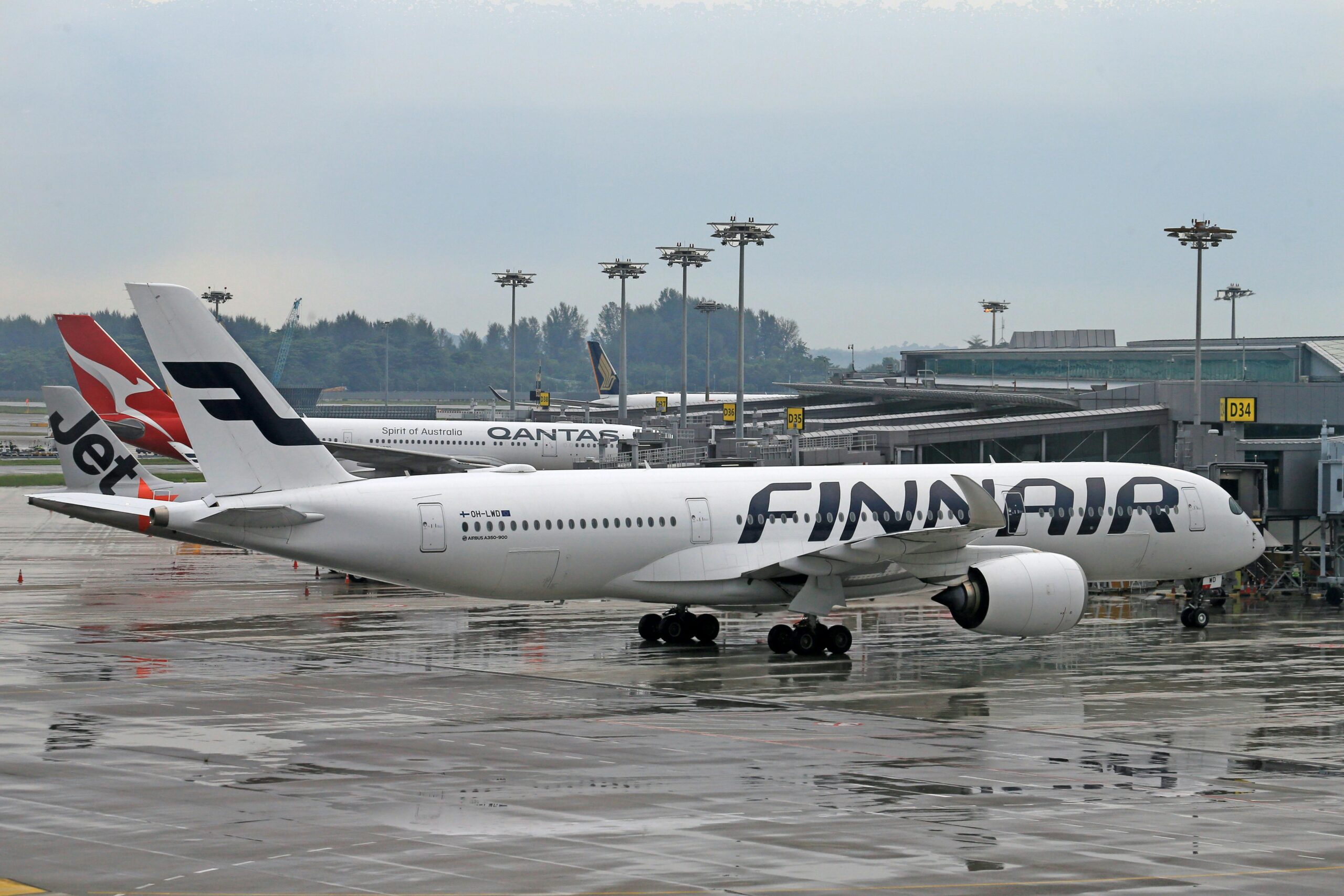
Finnair recorded over nine hundred forty thousand passengers in February, boosting global tourism confidence. Consequently, Helsinki strengthened its role as a key gateway between Europe and Asia. Moreover, rising demand on both European and Asian routes accelerated winter travel activity. As a result, Finland’s tourism industry saw stronger visitor flows and economic gains.
Finnair also expanded seat capacity across multiple international routes. Therefore, traffic growth exceeded prior forecasts and encouraged travelers to plan trips early. Meanwhile, Helsinki Airport handled higher volumes efficiently, attracting passengers seeking seamless transfers. In turn, hotels and tour operators experienced rising bookings and occupancy rates. As a result, tourism activity spread across Finland’s urban and northern destinations.
Asian routes led the surge, with Tokyo and South Korea seeing record passenger volumes. Accordingly, Finnair increased flight frequencies to meet growing demand. Travelers increasingly used Helsinki as a stopover, combining Nordic experiences with Asian trips. Consequently, cultural tourism exchanges strengthened between Finland and key Asian markets.
European connections improved through optimized schedules and added flights. For example, cities like Paris, London, and Stockholm now connect efficiently through Helsinki. Therefore, weekend trips and short holidays gained popularity among leisure travelers. Tourism operators also reported higher bookings across these corridors. As a result, Finland’s attractions experienced increased international engagement.
North Atlantic routes maintained stable demand, linking Helsinki with major U.S. gateways. Accordingly, consistent flight schedules supported hybrid tourism planning. Moreover, travelers used predictable connections to combine leisure and business trips. Consequently, long-distance itineraries expanded while tourism confidence grew.
Finnair also achieved higher passenger load factors on long-haul flights. Therefore, route efficiency improved across Asia and Europe. Tourism boards coordinated campaigns with airline expansion to maximize impact. In turn, hotels, restaurants, and attractions captured higher visitor spending.
In addition, cargo volumes increased alongside passenger growth. As a result, supply chains for hospitality and tourism infrastructure strengthened. Consequently, Helsinki became both a logistics and tourism hub, boosting regional economies. Meanwhile, aviation connectivity enhanced Finland’s appeal for global travelers.
Finnair plans further network improvements to sustain seasonal demand. Accordingly, early spring bookings already show strong momentum. Therefore, tourism campaigns highlight northern lights adventures and Nordic cultural attractions. As a result, Finnair drives long-term tourism growth across Europe and Asia.
Related stories:
Catch up on the top stories and travel deals by subscribing to our newsletter!