Introduction: Why Traditional Farming Landscapes Matter
Across the globe, certain regions still rely on traditional farming practices that have shaped landscapes for centuries. Visiting these areas offers travelers a glimpse into living history.
Traditional farming landscapes are more than agricultural fields—they are cultural canvases. Terraces, irrigation systems, and village layouts reflect centuries of human ingenuity and adaptation.
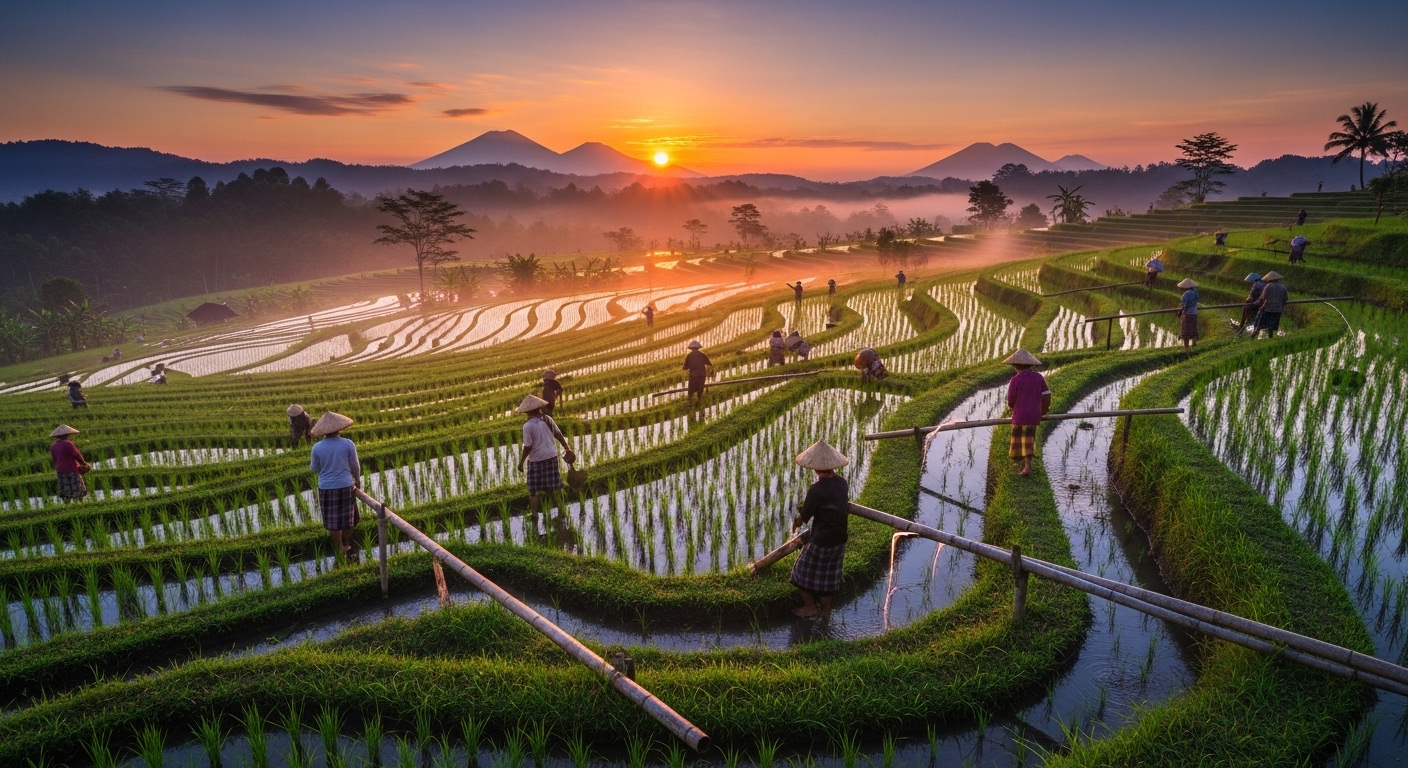
Imagine standing in the verdant rice terraces of Bali, where every level of the terrace supports a community and tells a story of sustainable farming.
Or walking along the patchwork farmlands of Scotland, where centuries-old sheep grazing and crop rotation still shape rolling hills.
Visiting these regions provides a unique perspective on how humans and nature co-exist, making traditional farming landscapes a living heritage worth exploring.
The Cultural and Ecological Value of Traditional Farming
Traditional farming is not just about growing crops—it maintains cultural heritage and ecological balance. Terraces, orchards, and meadows preserve soil, water, and biodiversity.
Many regions rely on traditional techniques like crop rotation, composting, and water management that modern agriculture often overlooks.
For example, the Andean highlands in Peru showcase centuries-old terraced fields designed to withstand extreme altitude and erosion.
These methods have allowed communities to survive in challenging environments while shaping stunning landscapes that attract travelers and photographers alike.
Exploring such areas allows travelers to see how local culture, nature, and agriculture intertwine, preserving heritage in its most natural form.
Europe’s Traditional Farming Regions
Europe offers many regions where traditional farming continues to define the landscape. In Italy, the rolling hills of Tuscany are dotted with vineyards, olive groves, and wheat fields cultivated using age-old techniques.
Similarly, Portugal’s Alentejo region combines cork oak forests with pasture lands, where centuries of traditional farming maintain biodiversity and soil health.
In Northern Europe, areas like the Scottish Highlands and Ireland’s County Clare show patchwork fields maintained by small farmers. Stone walls, hedgerows, and traditional grazing methods shape rolling, picturesque landscapes.
Travelers to these regions often marvel at how functional agriculture doubles as aesthetic beauty, blending utility and artistry seamlessly.

Asia’s Living Agricultural Heritage
Asia boasts some of the most striking traditional farming landscapes. The Banaue rice terraces in the Philippines, built over 2,000 years ago, remain a testament to ancestral knowledge.
Similarly, Japan’s rural regions still maintain irrigation-based rice paddies, often surrounded by mountains. These landscapes combine practicality with seasonal beauty.
In India, traditional stepwells and terraced farms in Himachal Pradesh and Uttarakhand show how agriculture adapts to rugged terrain.
Travelers exploring these areas often witness farmers maintaining centuries-old irrigation systems and planting schedules that harmonize with local ecosystems.
Africa’s Ancient Agricultural Landscapes
Africa is home to diverse regions where traditional farming still defines the terrain. Ethiopian highlands use ancient terraces to cultivate teff and barley, preserving soil on steep slopes.
In Morocco, the Amazigh communities maintain intricate irrigation systems called “khettaras” to distribute water across arid farmland, shaping the Sahara’s edge into productive fields.
West African regions still rely on shifting cultivation, small-scale farms, and rotational grazing that maintain ecological balance and preserve biodiversity.
Visiting these regions offers insight into resilient agricultural practices and landscapes formed over centuries.
South America: Terraces, Highlands, and Community Farming
South America’s Andean regions, especially in Peru and Bolivia, feature terraced farms that rise dramatically along mountain slopes. These terraces reduce erosion and maximize arable land.
Local communities grow potatoes, quinoa, and maize using centuries-old methods. Traditional festivals often coincide with planting and harvest seasons, turning agriculture into cultural celebration.
Travelers often combine trekking with visits to these traditional farms, learning how communities manage crops, water, and livestock sustainably.
These landscapes show that farming is not just about food production—it is a lifestyle, a cultural identity, and a form of art that shapes scenery.
North America’s Heritage Farmlands
In North America, certain regions maintain traditional farming practices that influence landscapes. Amish communities in Pennsylvania continue to use horse-drawn plows and crop rotation, preserving heritage farmlands.
Similarly, Quebec’s maple syrup farms maintain century-old techniques for tapping trees and processing syrup, blending cultural tradition with landscape preservation.
These regions offer travelers a slower, more reflective experience, where landscapes carry stories of community, family, and resilience.
Planning Your Visit to Traditional Farming Landscapes
Visiting traditional farming regions requires thoughtful planning. Unlike tourist-heavy cities, these areas may have limited accommodation and transport options.
Research local festivals, harvest times, and community events. Visiting during a harvest festival or planting season offers an immersive experience.
Stay in homestays, guesthouses, or agritourism farms. These options provide direct interaction with local farmers and insight into daily practices.
Respect local customs. Many farms operate on strict seasonal schedules, and asking permission before entering private fields shows consideration.
Travelers who plan carefully find themselves rewarded with unforgettable experiences, stunning scenery, and meaningful cultural exchange.
The Environmental Significance of Preserving Traditional Farming
Traditional farming landscapes support biodiversity and maintain soil health. Crop rotation, terrace irrigation, and small-scale animal grazing preserve ecosystems often lost in industrial agriculture.
By visiting these regions, travelers indirectly support sustainable practices and heritage preservation. Tourism provides an incentive to maintain traditional farming systems.
Organizations and local communities often welcome responsible visitors who appreciate the environmental and cultural value of these lands.
Through traditional farming landscapes, travelers witness centuries-old wisdom in action, seeing how humans can coexist with nature sustainably.

Capturing the Beauty: Photography and Storytelling
These regions offer incredible opportunities for photography and storytelling. Terraces, orchards, grazing fields, and irrigation systems create patterns visible from ground and aerial views.
Photographs of terraced rice paddies, patchwork fields, or meandering stone walls capture both aesthetic beauty and cultural heritage.
Travelers often document not only landscapes but also human stories: farmers planting, harvesting, or performing traditional rituals.
Stories shared with local communities often enrich the experience and provide insight that guides and books cannot convey.
Your Turn: Share Your Experiences
Have you visited regions where traditional farming shapes landscapes?
Which areas left the strongest impression on you?
Do you prefer mountainous terraces, patchwork fields, or small-scale village farms?
Share your thoughts and experiences with us. Your stories may inspire other travelers to explore these living cultural landscapes.
If you love discovering unique travel experiences, follow WentWorld on our social media platforms for more stories about cultural heritage, landscapes, and sustainable travel.
Conclusion
Regions where traditional farming still shapes landscapes offer more than scenic beauty—they preserve culture, community, and ecological balance.
Traveling through these areas transforms sightseeing into cultural immersion. Visitors witness centuries-old wisdom, sustainable practices, and landscapes shaped by human hands in harmony with nature.
Traditional farming landscapes are living museums. They show how heritage, agriculture, and ecology intertwine.
Where will your next adventure take you? Will it be to the terraces of Bali, the highlands of Peru, or the patchwork farms of Europe?
Catch up on the top stories and travel deals by subscribing to our newsletter!