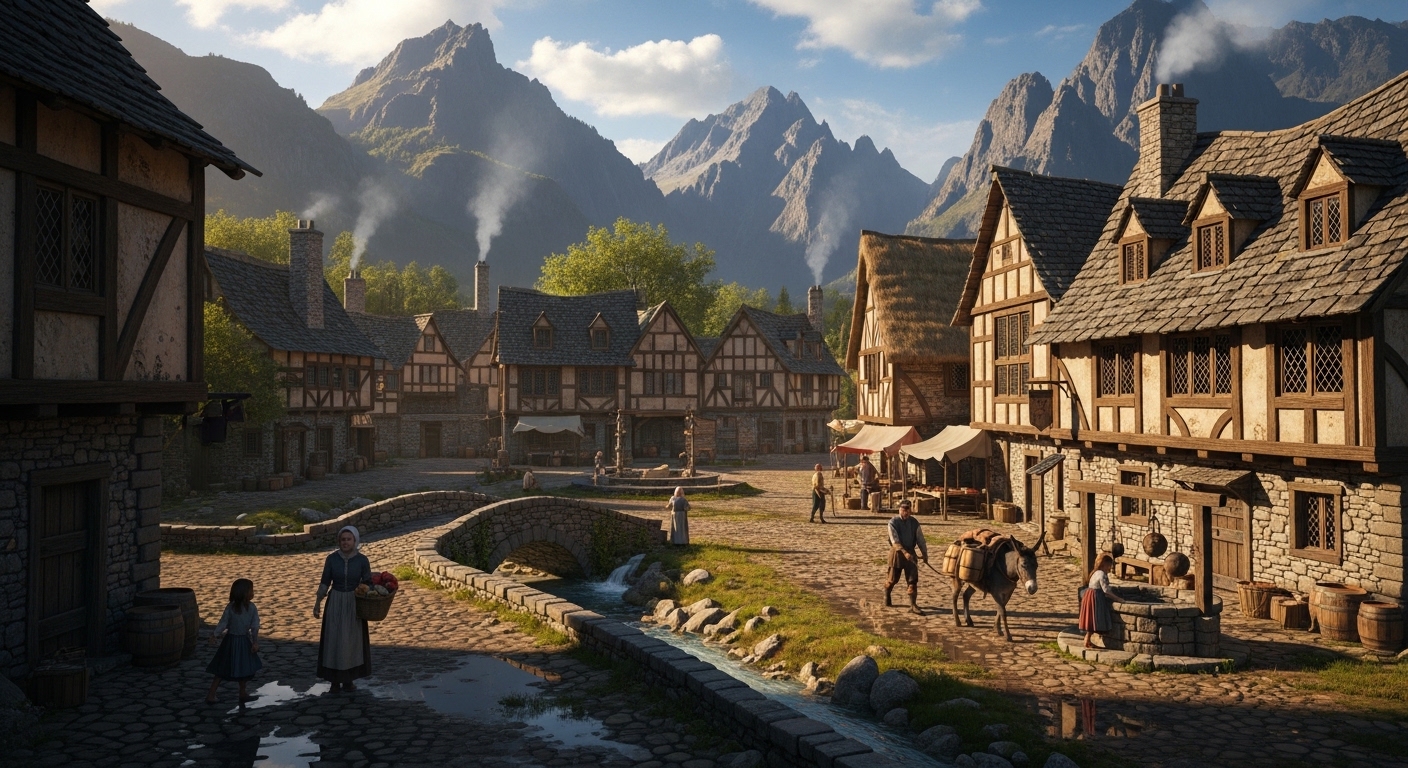
In a world dominated by fast cities, crowded airports, and modern technology, certain places remain wonderfully untouched. These destinations feel like living museums where time seems to slow down. Travelers who visit these places often describe a powerful sense of stepping into another century. The charm of villages frozen in time lies in their authenticity. Their streets, traditions, architecture, and daily life preserve history in ways that modern cities simply cannot.
Across the globe, there are remarkable communities that have protected their cultural heritage for generations. In these villages, cobblestone streets replace highways, traditional homes replace modern towers, and daily life follows rhythms shaped centuries ago. Exploring villages frozen in time allows travelers to experience the past in a living, breathing way.
Have you ever dreamed of walking through a medieval street that looks almost exactly as it did hundreds of years ago? Or sitting in a small village square where locals continue traditions their ancestors practiced centuries earlier? These villages offer something modern tourism often lacks: authenticity, tranquility, and a powerful connection to history.
Many travelers now search for experiences that feel meaningful rather than rushed. Visiting villages frozen in time offers exactly that. These destinations invite visitors to slow down, observe carefully, and appreciate cultures that have survived modernization.
Why Travelers Love Villages Frozen in Time
Tourists today increasingly seek destinations that offer depth and authenticity. Villages frozen in time provide cultural experiences that go far beyond sightseeing. Visitors step into environments where history is not displayed behind glass but lived every day.
Architecture often forms the first impression. Many villages have preserved houses built centuries ago using traditional materials. Stone walls, wooden balconies, tiled roofs, and narrow pathways create a unique atmosphere rarely found in modern cities.
However, architecture alone does not define these places. Traditions remain equally important. Festivals, crafts, music, and food continue to follow ancient customs. Travelers often witness cultural practices that families have passed down for generations.
Another reason people love villages frozen in time is the slower pace of life. Instead of busy traffic and packed schedules, these communities operate calmly. Locals greet visitors warmly, daily routines follow natural rhythms, and nature often surrounds the village.
Travelers often discover that spending time in these places allows them to reconnect with simple pleasures such as conversation, food, and scenery.
Hallstatt, Austria: A Village Preserved by History
One of the most famous villages frozen in time is Hallstatt, located beside a peaceful lake in the Austrian Alps. With colorful houses stacked against mountains and narrow pathways connecting the town, Hallstatt looks almost unchanged from centuries past.
The village has existed for over 7,000 years thanks to its historic salt mines. These mines once made Hallstatt one of Europe’s wealthiest communities during ancient times. Today, visitors walk through charming streets that reflect this long history.
Morning mist often floats over the lake, creating a magical atmosphere that photographers and travelers find unforgettable. Despite increasing tourism, Hallstatt still maintains the peaceful charm of a traditional alpine village.

Shirakawa-go, Japan: Timeless Mountain Traditions
Deep within the Japanese Alps lies the remarkable village of Shirakawa-go. Famous for its distinctive thatched-roof houses known as gassho-zukuri, the village represents one of Japan’s best-preserved rural communities.
These steep-roofed houses were designed centuries ago to withstand heavy winter snowfall. Families still live in many of these homes today, maintaining traditions passed down for generations.
Visitors walking through Shirakawa-go experience a rare glimpse into historic rural Japan. During winter, snow blankets the village and transforms it into a scene that feels almost surreal. Lanterns illuminate traditional homes while smoke rises from fireplaces.
These visual details make Shirakawa-go one of the most extraordinary villages frozen in time anywhere in the world.
Bibury, England: A Classic English Countryside Village
The English countryside also hides remarkable examples of preserved village life. One of the most picturesque is Bibury, located in the Cotswolds region.
Bibury is famous for Arlington Row, a line of 17th-century stone cottages that appear on countless postcards and travel magazines. The houses stand beside a quiet stream, surrounded by green meadows and peaceful countryside.
Walking through Bibury feels like entering a classic English painting. Many buildings remain exactly as they were centuries ago. Local traditions, markets, and pubs continue to shape village life.
Travelers often describe Bibury as one of the most charming villages frozen in time in Europe.
Alberobello, Italy: A Fairytale Village
Southern Italy offers another remarkable destination that feels untouched by time. The village of Alberobello in the Puglia region is famous for its unique white trulli houses.
These cone-shaped buildings were constructed using limestone and date back hundreds of years. Their unusual appearance makes the village look almost like a fairytale setting.
Despite modernization across Italy, Alberobello has preserved its architectural identity. Visitors wander through narrow streets filled with white stone houses, small cafes, and artisan shops.
Local residents proudly protect the traditions that define their village. The result is a destination that truly represents villages frozen in time.
Giethoorn, Netherlands: The Village Without Roads
In the Netherlands, a unique village challenges the concept of modern transportation. Giethoorn is famous for having almost no roads.
Instead of cars, canals connect houses and neighborhoods. Residents travel by small boats, bicycles, or footpaths. Thatched-roof homes sit beside peaceful waterways lined with gardens.
The absence of traffic noise creates an incredibly tranquil atmosphere. Visitors often glide through canals on quiet electric boats while admiring the charming scenery.
Giethoorn perfectly represents how villages frozen in time preserve peaceful lifestyles in a fast-moving world.
The Cultural Importance of Preserving Historic Villages
Villages frozen in time represent far more than beautiful destinations. They serve as living records of human history. Their architecture, traditions, and landscapes reflect centuries of cultural development.
Organizations such as UNESCO work to protect many historic villages around the world. Preservation efforts ensure that these communities continue to maintain their heritage while welcoming responsible tourism.
Without protection, many historic villages could disappear due to modernization, population shifts, or environmental changes. Preservation programs help communities maintain traditional architecture, support local businesses, and protect cultural identity.
Travelers who visit villages frozen in time often play a role in this preservation. Tourism can provide essential income that helps communities restore historic buildings and maintain traditional crafts.

What Visitors Can Expect When Exploring Villages Frozen in Time
Traveling to these historic communities often feels very different from visiting major tourist cities. Instead of fast schedules, visitors encounter relaxed rhythms and authentic daily life.
Local markets often sell handmade crafts and fresh food produced nearby. Village cafes serve traditional recipes that have existed for generations. Conversations with residents frequently reveal fascinating stories about history and culture.
Nature also plays an important role. Many villages frozen in time exist in beautiful landscapes such as mountains, lakes, forests, or farmland. These environments help preserve the calm atmosphere that defines rural life.
Visitors often discover that the greatest attraction is not a monument or museum but simply walking through the village and observing everyday life.
Responsible Travel in Historic Villages
Travelers who visit villages frozen in time should always respect local communities. These places are not theme parks but real homes where families live and work.
Supporting local businesses helps villages maintain their heritage. Purchasing handmade goods, eating at local restaurants, and staying in family-run guesthouses directly benefits residents.
Respecting traditions is equally important. Some villages maintain religious customs, dress guidelines, or photography rules. Observing these traditions shows appreciation for local culture.
Responsible travel ensures that villages frozen in time remain preserved for future generations.
Why These Villages Continue to Inspire Travelers
In the modern world, people often feel overwhelmed by speed and constant change. Villages frozen in time provide a refreshing contrast. They remind visitors that history, culture, and community remain deeply valuable.
Walking through a centuries-old street or listening to local stories often creates powerful emotional connections. Travelers realize that these villages represent living history rather than distant memories.
Every traveler experiences these places differently. Some feel inspired by architecture. Others connect with traditions or landscapes. Many simply appreciate the calm atmosphere that these villages provide.
Have you ever visited a destination that felt like stepping back in time? What village left the strongest impression on you? Was it the architecture, the people, or the culture that made the experience unforgettable?
We would love to hear your travel stories and reflections. Share your experiences and tell us about the villages that made you feel connected to history.
If you enjoy discovering destinations that reveal the world’s cultural heritage, follow WentWorld on our social media platforms for more inspiring travel stories and destination guides.
The world still holds many villages frozen in time waiting to be explored. When travelers step into these communities, they discover that history is not just something we read about. In these villages, history is still alive.
Catch up on the top stories and travel deals by subscribing to our newsletter!