Introduction: Why Cities Built Around Water Capture Our Imagination
Across the world, some of the most fascinating destinations grew beside rivers, lakes, and canals. Water shaped their streets, homes, and culture for centuries. Today, these places attract travelers who want to experience a lifestyle that flows with nature.
Cities built around water offer something unique compared with typical urban destinations. Boats replace cars in many areas, bridges connect neighborhoods, and daily life often revolves around waterways.
Think about strolling beside canals in Amsterdam or watching gondolas glide across the Grand Canal in Venice. These experiences feel magical because water becomes part of everyday life.
But water-based cities are not only beautiful travel destinations. They are examples of how humans adapt, build communities, and thrive alongside natural environments.
In this guide, we explore how cities built around water function, why they developed this way, and what travelers should know before visiting these remarkable places.
How Water Shaped the World’s Cities
Throughout history, rivers and canals served as major transportation routes. Long before modern highways existed, water provided the fastest way to move goods, people, and ideas between regions.
Because of this advantage, many early settlements developed beside waterways. Over time, these settlements expanded into thriving cities with economies connected to trade and maritime travel.
Water also provided essential resources. Fresh water supported agriculture, drinking supplies, and industry. Fishing communities relied on rivers and canals to sustain their livelihoods.
This historical connection explains why many famous cities built around water remain important cultural and economic centers today.
Venice: The World’s Most Famous Water City
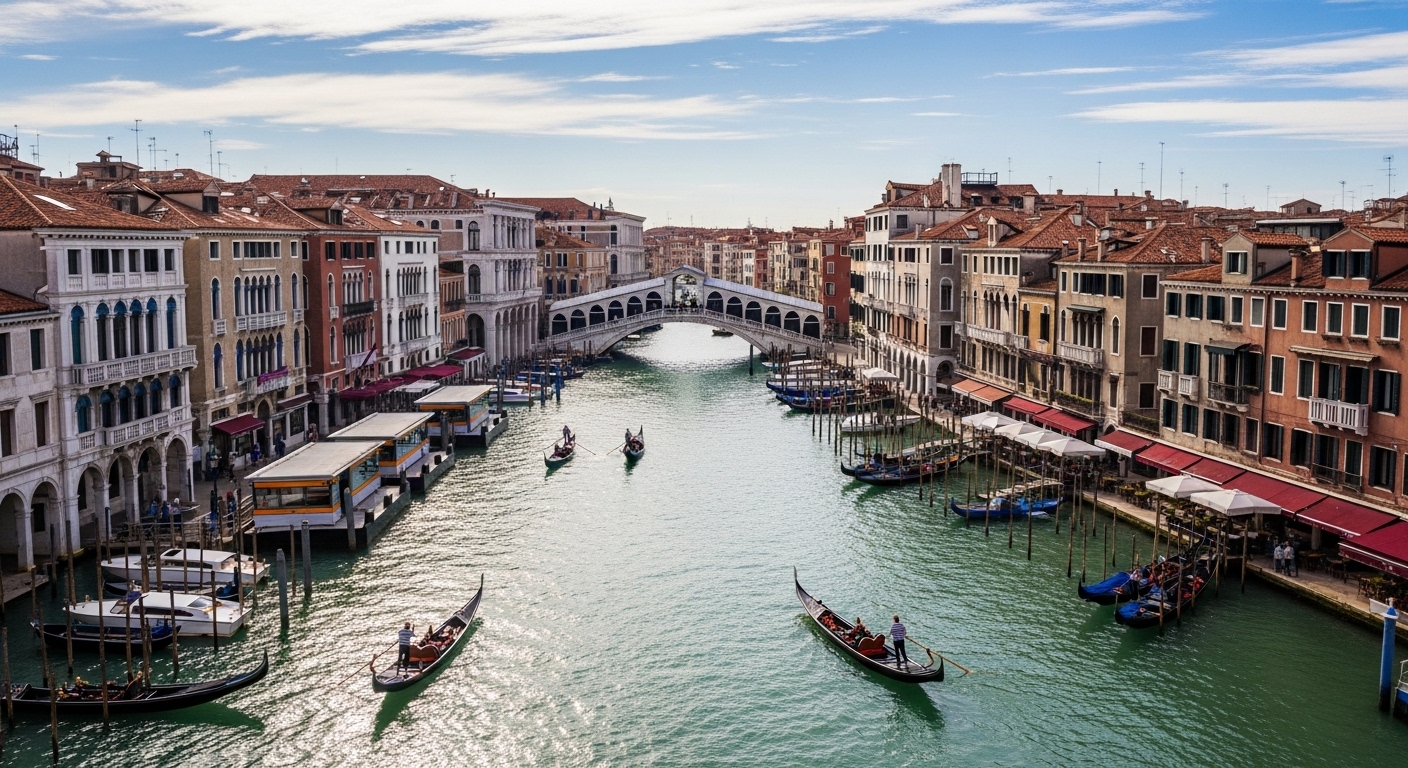
No conversation about water cities is complete without mentioning Venice. Built across more than 100 small islands in a lagoon, Venice developed into one of the most extraordinary urban landscapes in the world.
Instead of roads, canals serve as the city’s main transportation routes. Gondolas, water taxis, and ferries move residents and visitors through narrow waterways.
The Grand Canal curves through the center of the city like a wide boulevard. Historic palaces, bridges, and churches line the water, creating one of Europe’s most iconic skylines.
For travelers exploring cities built around water, Venice offers an unforgettable introduction to life shaped by canals.
However, Venice also faces modern challenges such as rising sea levels and tourism pressure. These issues highlight the delicate balance required to preserve water-based cities.

Amsterdam: A Masterpiece of Canal Engineering
The Dutch city of Amsterdam presents another fascinating example of urban design shaped by water. During the 17th century, engineers built an extensive canal network to manage flooding and expand the city.
Today, Amsterdam contains more than 100 kilometers of canals and hundreds of bridges connecting its neighborhoods.
Unlike Venice, where boats dominate transportation, Amsterdam blends canals with cycling paths, walking streets, and modern infrastructure.
Visitors exploring cities built around water often appreciate how Amsterdam integrates historic waterways with contemporary urban life.
Houseboats, canal cafés, and waterside parks create a relaxed atmosphere that defines the city’s character.
Bangkok: The Venice of the East
Many travelers are surprised to learn that Bangkok once relied heavily on canals called “klongs.” These waterways connected neighborhoods, markets, and temples throughout the city.
Although modern roads replaced many canals, several still operate as busy transportation corridors and floating marketplaces.
Boat taxis navigate crowded waterways while vendors sell fruit, noodles, and souvenirs from wooden boats.
Bangkok shows how cities built around water evolve while preserving traditional lifestyles connected to rivers.
Stockholm: A City Spread Across Islands
The Scandinavian capital of Stockholm sits across 14 islands connected by dozens of bridges. Water surrounds the city in every direction.
Residents enjoy waterfront parks, harbor views, and ferry routes that connect neighborhoods and nearby islands.
During summer, locals swim, kayak, and sail directly within the city limits. Water becomes part of everyday recreation as well as transportation.
For travelers interested in cities built around water, Stockholm offers a perfect blend of nature and modern urban life.
Daily Life in Water Cities
Living beside canals or rivers shapes everyday routines in unique ways. Residents often rely on boats or ferries for commuting and errands.
Homes may include docks or steps leading directly into the water. In some areas, deliveries arrive by boat rather than trucks.
Restaurants and markets frequently face the water, creating scenic dining experiences that attract visitors and locals alike.
These patterns demonstrate how cities built around water adapt infrastructure to suit natural landscapes.
The Cultural Influence of Waterways
Water has always influenced local culture, architecture, and traditions. Festivals, ceremonies, and markets often take place along rivers and canals.
In many Asian countries, floating markets remain vibrant community hubs. Vendors gather each morning to sell fresh produce and handmade goods.
European canal cities host water parades, boat festivals, and historic regattas that celebrate maritime heritage.
These cultural traditions strengthen the identity of cities built around water and attract travelers seeking authentic experiences.
Challenges Facing Water-Based Cities
While water cities offer beauty and charm, they also face environmental challenges. Rising sea levels and climate change threaten many coastal and river cities.
Flood protection systems, canals, and advanced engineering help reduce these risks. Cities like Amsterdam invest heavily in water management technologies.
Tourism pressure also affects fragile historic areas. Managing visitor numbers while protecting cultural heritage requires careful planning.
Preserving cities built around water will require innovation and responsible travel practices in the coming decades.

Why Travelers Love Water Cities
There is something calming about being near water. The reflections, gentle movement, and open views create a peaceful atmosphere within busy cities.
Walking along canal paths or watching boats glide through rivers provides a different pace compared with crowded urban streets.
For photographers, these destinations offer endless visual inspiration with bridges, reflections, and colorful waterfront buildings.
This unique charm explains why cities built around water remain among the world’s most beloved travel destinations.
Your Turn: Share Your Favorite Water Cities
Have you ever visited a city shaped by canals or rivers? Which destination offered the most memorable waterfront experience?
Do you prefer exploring historic canal cities like Venice or modern water capitals like Stockholm?
Share your thoughts and travel stories with us. Your experiences might inspire other readers planning their next adventure.
If you enjoy discovering unique destinations, follow WentWorld on our social media platforms for more travel insights and global stories.
Conclusion
The world’s most fascinating destinations often grew beside rivers and canals. Water shaped their culture, architecture, and daily life.
Today, cities built around water continue to inspire travelers who want to explore places where nature and urban design exist in harmony.
From Venice’s romantic canals to Bangkok’s floating markets and Stockholm’s island neighborhoods, these cities show how humans adapt to water environments.
Where will your next waterfront adventure take you?
Catch up on the top stories and travel deals by subscribing to our newsletter!