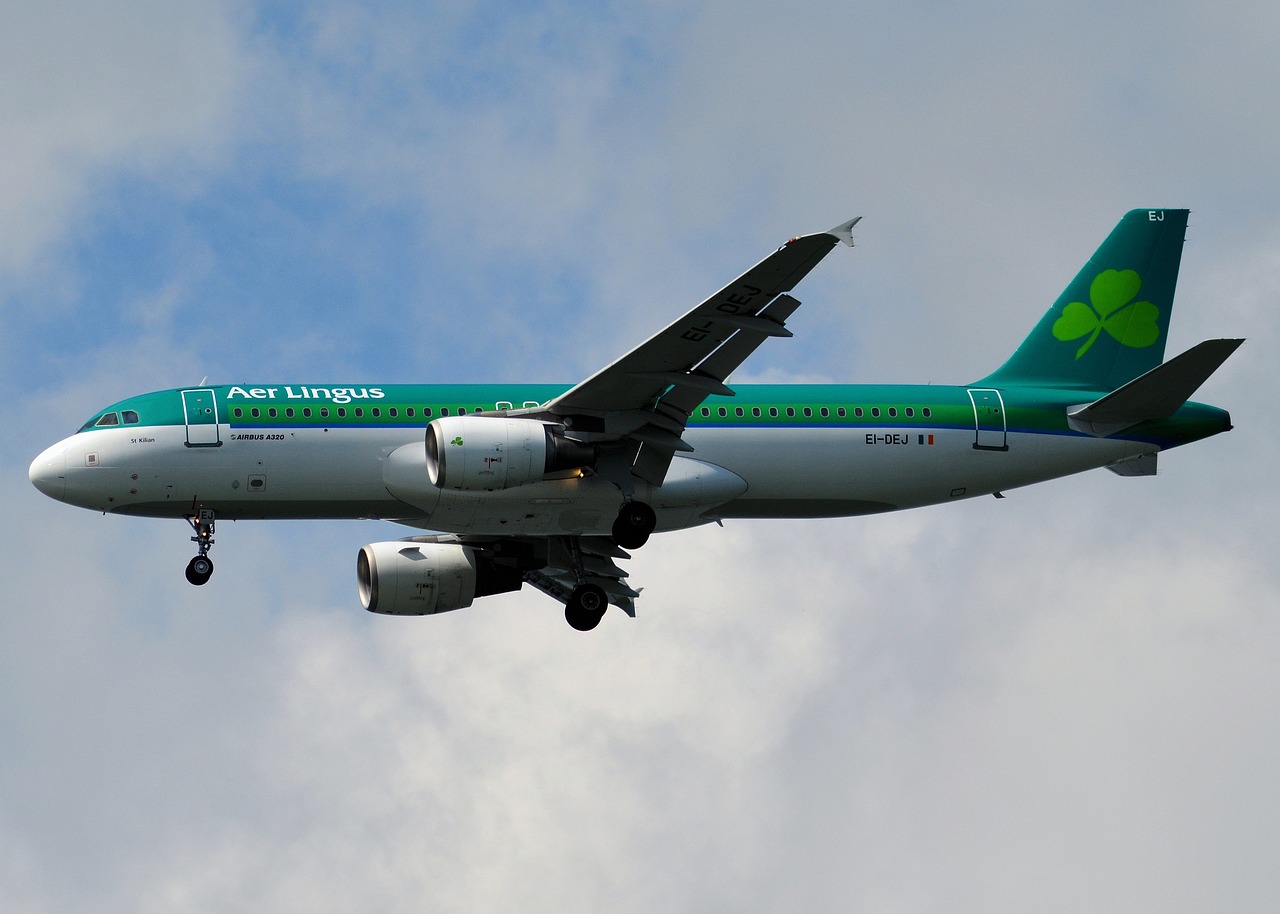
Aer Lingus drives change as Aer Lingus launches Dublin–Barbados flights this summer. Moreover, Aer Lingus uses A321XLR aircraft to reshape long-haul travel strategies. Therefore, the airline targets growing leisure demand with precise seasonal planning. Consequently, passengers gain faster journeys and direct access to Caribbean destinations.
Furthermore, this new route connects Dublin and Bridgetown without stopovers or delays. Additionally, travelers avoid complex transfers through the UK or North America. Thus, the airline improves comfort, reduces fatigue, and saves valuable travel time. Meanwhile, Aer Lingus strengthens its network with efficient and flexible operations.
Moreover, the airline aligns flight schedules with peak spring and Easter demand. Consequently, Barbados attracts travelers with warm weather and premium tourism experiences. Therefore, Aer Lingus captures demand while competitors adjust slower strategies. Additionally, the airline protects passenger traffic within its Dublin hub.
Furthermore, the Airbus A321XLR supports long-range routes with lower operating costs. Thus, Aer Lingus operates thinner routes with improved economic efficiency. Meanwhile, passengers enjoy modern cabins and enhanced onboard comfort. Consequently, the aircraft transforms how airlines approach long-haul connectivity.
Additionally, the three-times-weekly schedule balances demand with operational efficiency. Therefore, Aer Lingus maximizes aircraft usage while maintaining traveler flexibility. Meanwhile, travelers plan short breaks or extended holidays with ease. Thus, the airline ensures route sustainability during early operations.
Moreover, Dublin strengthens its position as a transatlantic gateway with this launch. Consequently, Aer Lingus expands global reach and reinforces strategic hub importance. Additionally, the route boosts tourism flows between Ireland and Barbados. Therefore, local economies benefit from increased visitor spending and travel activity.
Furthermore, this launch highlights broader aviation trends toward point-to-point connectivity. Thus, airlines reduce reliance on major hubs and complex networks. Meanwhile, fuel-efficient aircraft drive flexible and responsive route planning. Consequently, Aer Lingus positions itself strongly within the competitive leisure market.
Finally, this route signals long-term potential for Caribbean expansion. Therefore, Aer Lingus may extend or expand operations based on demand performance. Thus, the airline sets a new benchmark for modern travel experiences.
Related stories:
Catch up on the top stories and travel deals by subscribing to our newsletter!