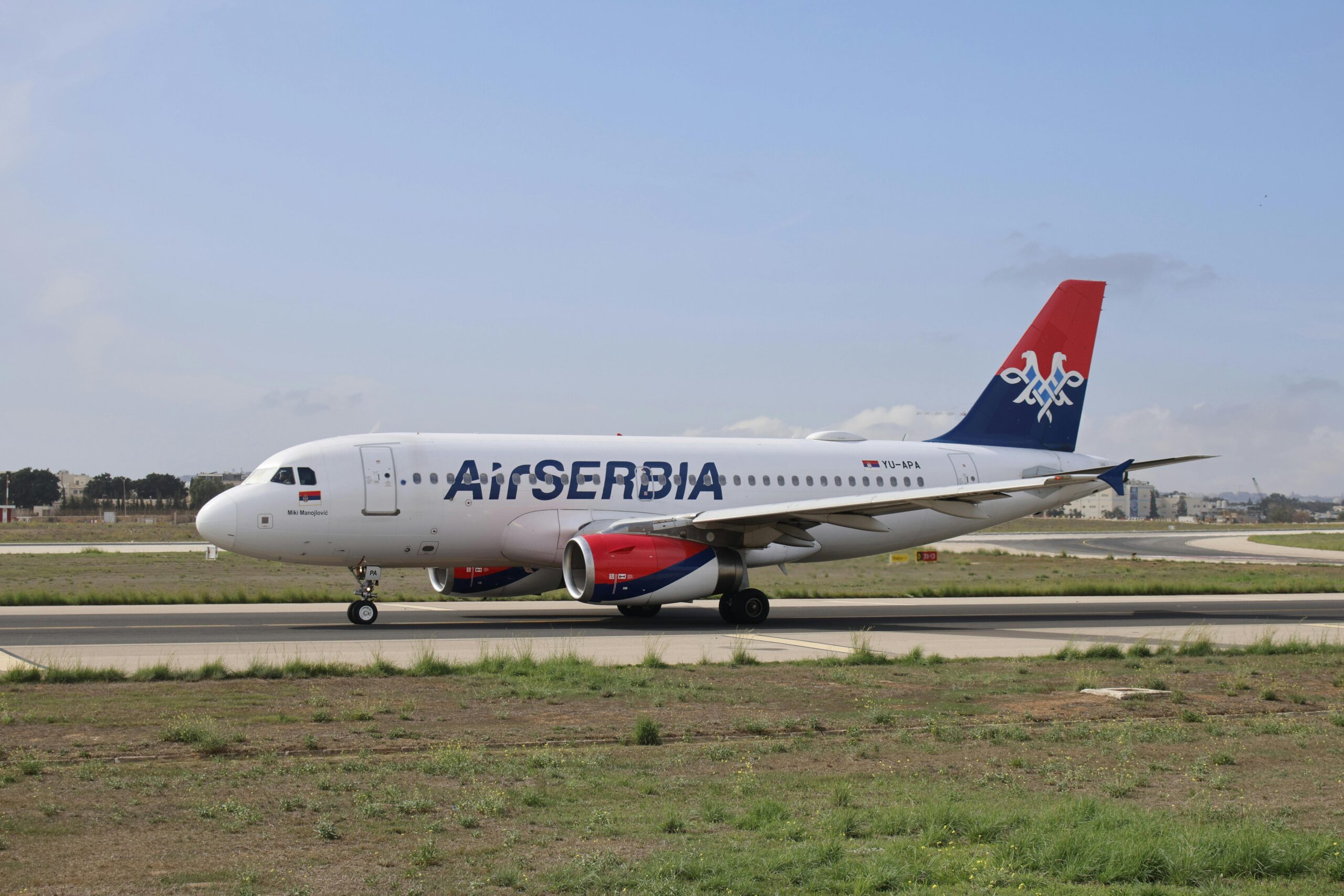
Air Serbia accelerates growth as summer travel demand rises across global markets. The airline introduces a larger network and improves connectivity across regions. This strategy strengthens Air Serbia’s position in a competitive aviation landscape.
Moreover, Air Serbia operates more than 100 destinations across Europe, Asia, and North America. The airline also uses a fleet of 30 aircraft to support expansion plans. This approach allows better service alignment with evolving passenger demand.
Furthermore, Air Serbia adds new leisure and cultural destinations for summer travelers. The airline launches routes to Santorini and Brac Island to attract beach tourism demand. These destinations offer strong appeal due to scenic coastlines and vibrant culture.
Additionally, Air Serbia expands reach in Spain by adding Alicante to its network. This route improves access to the popular Costa Blanca region. At the same time, the airline connects Baku to strengthen links with the Caucasus region.
Meanwhile, Air Serbia plans further expansion with Seville joining the network later. This move enhances travel options within southern Europe and supports long-term growth. The airline clearly follows a phased and strategic expansion model.
On the other hand, Air Serbia strengthens long-haul operations with a new Toronto route. This addition improves connectivity between Southeast Europe and Canada. The airline also serves New York, Chicago, Shanghai, and Guangzhou on long routes.
In addition, Air Serbia prepares winter routes to Tromsø and Tenerife for year-round demand. This strategy captures both Arctic tourism and warm-weather travel markets. The airline balances seasonal demand with smart destination planning.
Similarly, Air Serbia increases flight frequencies on major European routes. Cities like Athens, Milan, Madrid, and Vienna receive additional services. These improvements enhance scheduling flexibility and hub connectivity.
Besides this, Air Serbia boosts capacity on routes like Istanbul, Malta, Florence, and Nice. These destinations attract high passenger volumes during peak seasons. The airline ensures reliable service through increased availability.
Importantly, Air Serbia strengthens regional connectivity within Southeast Europe. Cities like Pula, Sofia, Thessaloniki, and Tivat receive better connections. This network supports tourism, business travel, and regional integration.
Finally, Air Serbia builds on a decade of long-haul growth since launching New York flights. The airline continues to evolve into a global carrier with expanding reach. This summer expansion supports tourism, mobility, and international connectivity.
Related stories:
Catch up on the top stories and travel deals by subscribing to our newsletter!