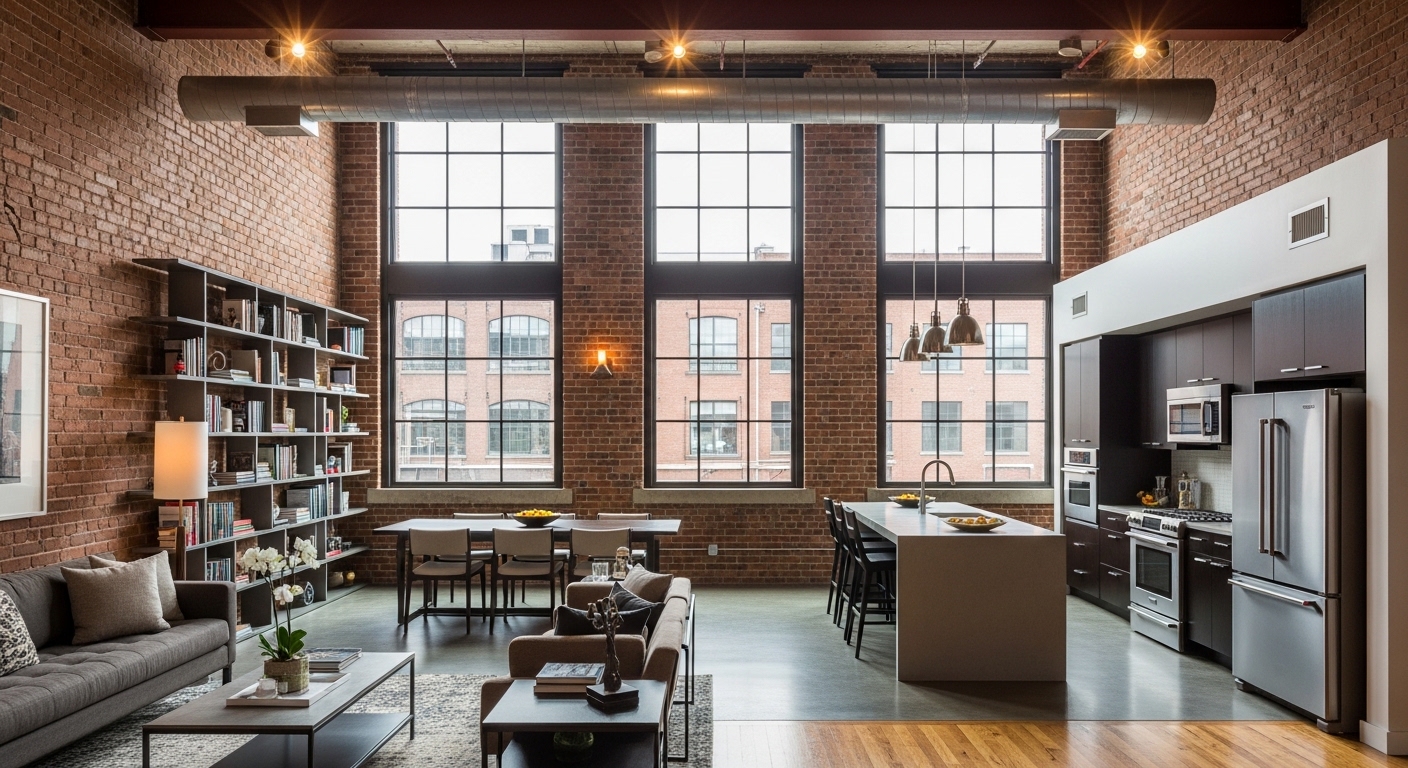
Travel has evolved beyond traditional hotels and predictable accommodations. Today, many travelers actively seek immersive stays that tell a story. One of the most exciting trends reshaping modern tourism is the rise of converted industrial spaces. These unique accommodations transform old factories, warehouses, mills, and even shipping yards into stylish, livable environments that combine history with modern comfort.
Instead of generic hotel rooms, imagine sleeping in a restored textile mill, relaxing inside a former power station, or waking up in a loft that once functioned as a warehouse. These spaces preserve raw architecture while introducing contemporary design elements. The result creates an unforgettable travel experience that feels both authentic and creative.
Have you ever stayed somewhere that felt completely different from a typical hotel? Or wondered what it would feel like to live inside a piece of history? Converted industrial spaces offer exactly that kind of experience.
Why Converted Industrial Spaces Are Gaining Popularity
Travelers increasingly prefer experiences over luxury. They want something memorable, meaningful, and visually striking. Converted industrial spaces deliver on all these expectations. These properties combine heritage, sustainability, and design innovation.
Many of these buildings once played a crucial role in local economies. Instead of demolishing them, developers preserve their structure and transform them into accommodations. This approach protects cultural heritage while reducing environmental impact.
Another reason for their popularity involves aesthetics. Industrial architecture features exposed brick walls, steel beams, high ceilings, and large windows. These elements create a distinctive atmosphere that modern buildings often lack.
Social media has also played a role. Travelers love sharing unique spaces, and converted industrial spaces provide visually stunning backdrops that stand out online.

Top Destinations Where You Can Stay in Converted Industrial Spaces
Several cities around the world have embraced this trend, offering travelers the opportunity to stay in beautifully restored industrial buildings.
Berlin, Germany
Berlin stands at the forefront of industrial transformation. The city’s history includes factories, power plants, and warehouses that now serve as creative spaces and boutique accommodations. Many former industrial buildings now operate as hotels and loft apartments, preserving the raw energy of the city’s past.
Neighborhoods like Kreuzberg and Friedrichshain feature converted warehouses that attract artists, designers, and travelers seeking something unconventional.
New York City, USA
New York City has long embraced industrial conversions, especially in areas like Brooklyn and SoHo. Old factories and warehouses have transformed into luxury lofts and boutique stays.
Visitors often stay in spaces with large open layouts, exposed pipes, and industrial-style interiors that reflect the city’s creative spirit. Many of these properties remain close to cultural hubs, galleries, and cafes.
Manchester, United Kingdom
Known for its industrial heritage, Manchester offers some of the best examples of converted industrial spaces. Former textile mills now operate as stylish accommodations that maintain original brickwork and machinery elements.
These properties provide a blend of history and comfort, allowing travelers to experience the city’s industrial past while enjoying modern amenities.
Tokyo, Japan
Tokyo has reimagined industrial spaces in a uniquely Japanese way. Minimalist design blends seamlessly with industrial structures, creating clean yet character-rich accommodations.
Many converted spaces in Tokyo emphasize functionality and simplicity while preserving structural authenticity.
Cape Town, South Africa
In Cape Town, industrial conversions have played a major role in urban regeneration. Former docklands and warehouses now host stylish accommodations and cultural hubs.
Areas near the waterfront showcase how industrial heritage can evolve into vibrant tourism destinations.
What Makes Converted Industrial Spaces Special
Unlike traditional hotels, these spaces offer a unique combination of history, design, and atmosphere. Every detail tells a story, from the original brick walls to preserved machinery elements.
Architectural Character
Industrial buildings feature structural elements that rarely exist in modern construction. High ceilings, wide-open layouts, and durable materials create a bold and dramatic environment.
Designers often preserve these elements while adding modern furniture and lighting, creating a balance between past and present.
Sustainability and Adaptive Reuse
Converted industrial spaces represent a sustainable approach to tourism. Instead of constructing new buildings, developers reuse existing structures. This reduces waste, conserves materials, and minimizes environmental impact.
Organizations like UN Environment Programme promote adaptive reuse as a sustainable development strategy.
Creative Interiors
Interior design plays a major role in these accommodations. Designers often blend industrial elements with modern decor, creating visually appealing spaces.
Guests may find vintage furniture, artistic lighting, and open-plan layouts that encourage relaxation and creativity.
Immersive Experiences
Staying in a converted industrial space feels different from staying in a hotel. Guests become part of the building’s story. The environment encourages exploration and appreciation for architecture and history.
Challenges to Consider
While these spaces offer unique experiences, they may not suit every traveler. Some buildings retain original structural features that can limit insulation or soundproofing.
Accessibility may also vary depending on the building’s design. Travelers should review details before booking to ensure the space meets their needs.

Tips for Booking Converted Industrial Spaces
Research the Building’s History
Understanding the origin of the space enhances the experience. Knowing whether it was a factory, mill, or warehouse adds depth to your stay.
Check Amenities Carefully
Industrial conversions vary widely. Some offer luxury features, while others maintain minimalist designs.
Choose the Right Location
Many industrial spaces exist in creative districts. These areas often provide access to local culture, cafes, and galleries.
Embrace the Experience
These spaces differ from traditional accommodations. Approach the stay with curiosity and openness.
Why Travelers Love Converted Industrial Spaces
Travelers appreciate authenticity, creativity, and uniqueness. Converted industrial spaces deliver all three. They provide a refreshing alternative to standardized hotels.
Many guests describe these stays as memorable highlights of their trips. The combination of history and design creates a lasting impression.
Have you ever stayed in a converted industrial building? Would you choose a former factory over a luxury hotel? What type of industrial space would you love to experience?
We would love to hear your thoughts and travel stories. Share your experiences and let us know which destinations you would explore.
Stay connected with WentWorld for more travel inspiration, unique accommodation ideas, and destination guides. Follow us on our social media platforms and continue exploring the world in new and exciting ways.
Converted industrial spaces prove that travel does not have to follow traditional paths. Sometimes, the most unforgettable experiences come from places that once served an entirely different purpose.
Catch up on the top stories and travel deals by subscribing to our newsletter!