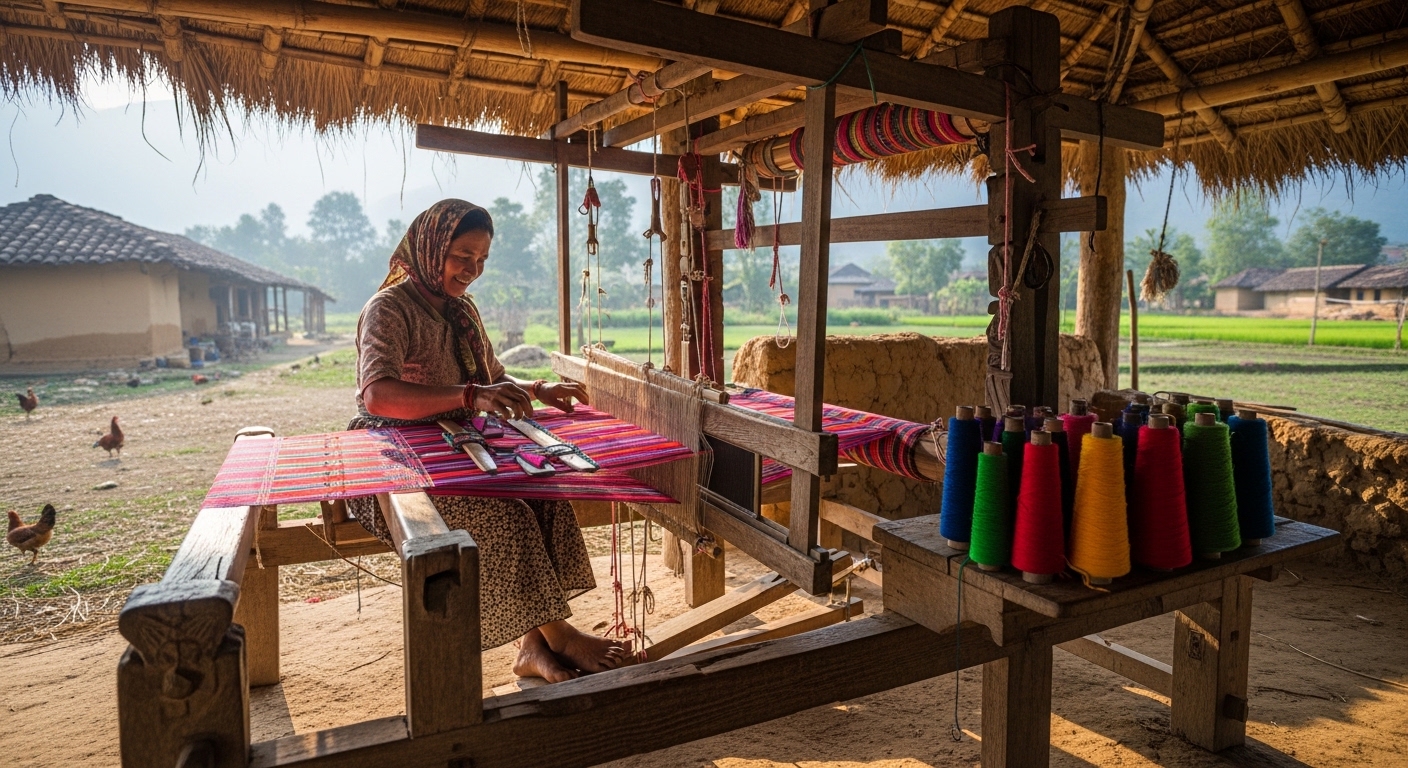
In a world dominated by fast fashion and mass production, many travelers now search for deeper, more meaningful experiences. They want to see how things are made, meet the people behind the craft, and understand the stories woven into every thread. This is why visiting traditional weaving communities has become one of the most enriching travel experiences today. These communities preserve centuries-old techniques, cultural identities, and artistic traditions that continue to inspire the modern world.
Traditional weaving communities offer far more than just beautiful textiles. They provide insight into heritage, resilience, and creativity. When you step into a weaving village, you step into a living museum where every pattern tells a story and every fabric carries history. Have you ever wondered who made the clothes you wear or how ancient weaving techniques survived in the modern world? Exploring traditional weaving communities answers those questions in the most authentic way.
Imagine sitting beside a local artisan, watching threads transform into intricate designs, and learning techniques passed down through generations. This is the magic of traditional weaving communities.
Why Traditional Weaving Communities Matter Today
Traditional weaving communities play a vital role in preserving cultural heritage. In many parts of the world, weaving is more than a profession. It is a way of life. Skills are passed from parents to children, ensuring that traditions survive across generations.
These communities also contribute to sustainable fashion. Unlike factory production, traditional weaving often uses natural fibers, eco-friendly dyes, and handmade processes. Travelers who visit these communities directly support artisans and help keep these traditions alive.
Additionally, visiting traditional weaving communities promotes cultural exchange. Travelers gain a deeper understanding of local customs, while artisans share their stories and traditions proudly.

Top Destinations to Experience Traditional Weaving Communities
Across the globe, several regions stand out for their exceptional weaving traditions. Each destination offers a unique perspective on craftsmanship and culture.
Peru’s Andean Weaving Villages
High in the Andes near Machu Picchu, traditional weaving communities continue to thrive. Indigenous women use techniques that date back to the Inca civilization. They create vibrant textiles using natural dyes derived from plants and minerals.
Visitors often participate in workshops where they learn spinning, dyeing, and weaving techniques. These experiences highlight the deep cultural significance of textiles in Andean life.
India’s Rural Textile Hubs
India is home to some of the most diverse traditional weaving communities in the world. Regions such as Varanasi, Rajasthan, and Assam showcase unique styles, from silk sarees to intricate handloom fabrics.
Travelers often reach these regions through airlines like Air India and explore villages where artisans still use handlooms. Each fabric tells a story of tradition, festivals, and identity.
Guatemala’s Indigenous Weaving Culture
In Central America, Guatemala offers vibrant weaving traditions rooted in Mayan culture. Villages around Antigua are known for their colorful textiles and symbolic patterns.
Women use backstrap looms to create fabrics that represent their community and heritage. Visitors often learn how each design reflects social status, history, and beliefs.
Japan’s Traditional Textile Villages
Japan blends tradition with precision, and its weaving communities reflect this balance beautifully. Regions near Kyoto specialize in silk weaving, producing textiles used in kimonos.
Artisans focus on detail, discipline, and perfection. Travelers often observe weaving demonstrations and learn about the philosophy behind Japanese craftsmanship.
Morocco’s Berber Weaving Communities
In North Africa, Morocco’s Atlas Mountains host Berber weaving communities known for their handmade rugs. Each rug features patterns that tell stories about family, beliefs, and daily life.
Visitors explore villages, meet artisans, and understand how weaving connects deeply with identity and tradition.
Indonesia’s Ikat Weaving Traditions
Indonesia offers some of the most complex weaving techniques in the world. In regions like Bali and Flores, artisans create ikat textiles using intricate dyeing processes.
Travelers visiting Bali often explore weaving villages where patterns symbolize spirituality and cultural heritage.
Experiences That Define Traditional Weaving Communities
Hands-On Weaving Workshops
Many traditional weaving communities offer interactive workshops where visitors learn basic weaving techniques. These sessions allow travelers to appreciate the skill and patience required to create textiles.
Natural Dye Demonstrations
Artisans often use plants, roots, and minerals to create natural dyes. Watching this process reveals the connection between nature and craftsmanship.
Cultural Storytelling Through Textiles
Every woven piece carries meaning. Patterns may represent historical events, social roles, or spiritual beliefs. Learning these stories adds depth to the travel experience.
Supporting Local Artisans
Buying directly from traditional weaving communities ensures that artisans receive fair compensation. It also helps preserve their craft for future generations.
The Emotional Connection of Visiting Traditional Weaving Communities
There is something deeply moving about watching a piece of fabric come to life through human hands. Travelers often feel a strong connection to artisans and their work.
Unlike factory-made products, handmade textiles carry emotion, effort, and identity. Visitors leave with more than souvenirs. They carry stories and memories that last a lifetime.
Challenges Facing Traditional Weaving Communities
Despite their cultural importance, many traditional weaving communities face challenges. Industrialization, fast fashion, and declining interest among younger generations threaten these traditions.
However, tourism provides hope. When travelers visit and support these communities, they help sustain livelihoods and preserve cultural heritage.

Tips for Visiting Traditional Weaving Communities
Respect Local Traditions
Always ask permission before taking photos and follow cultural norms.
Engage With Artisans
Ask questions and show interest in their craft. Most artisans enjoy sharing their knowledge.
Support Ethical Purchases
Buy directly from artisans to ensure fair trade and authenticity.
Take Your Time
Weaving is a slow process. Spend time observing and appreciating the details.
Reflect on Your Journey
Have you ever worn something without knowing its story? Visiting traditional weaving communities changes that perspective. It reminds travelers that every textile has a human touch behind it.
Which destination would you love to visit to experience traditional weaving communities? Would you try weaving yourself, or simply admire the craftsmanship?
We would love to hear your thoughts and experiences. Share your stories and join the conversation.
If you enjoy discovering meaningful travel experiences like traditional weaving communities, follow WentWorld on social media for more inspiring stories and cultural insights from around the globe.
Traditional weaving communities offer a powerful reminder that art, culture, and history are still alive in many parts of the world. All it takes is a curious traveler to discover them.
Catch up on the top stories and travel deals by subscribing to our newsletter!