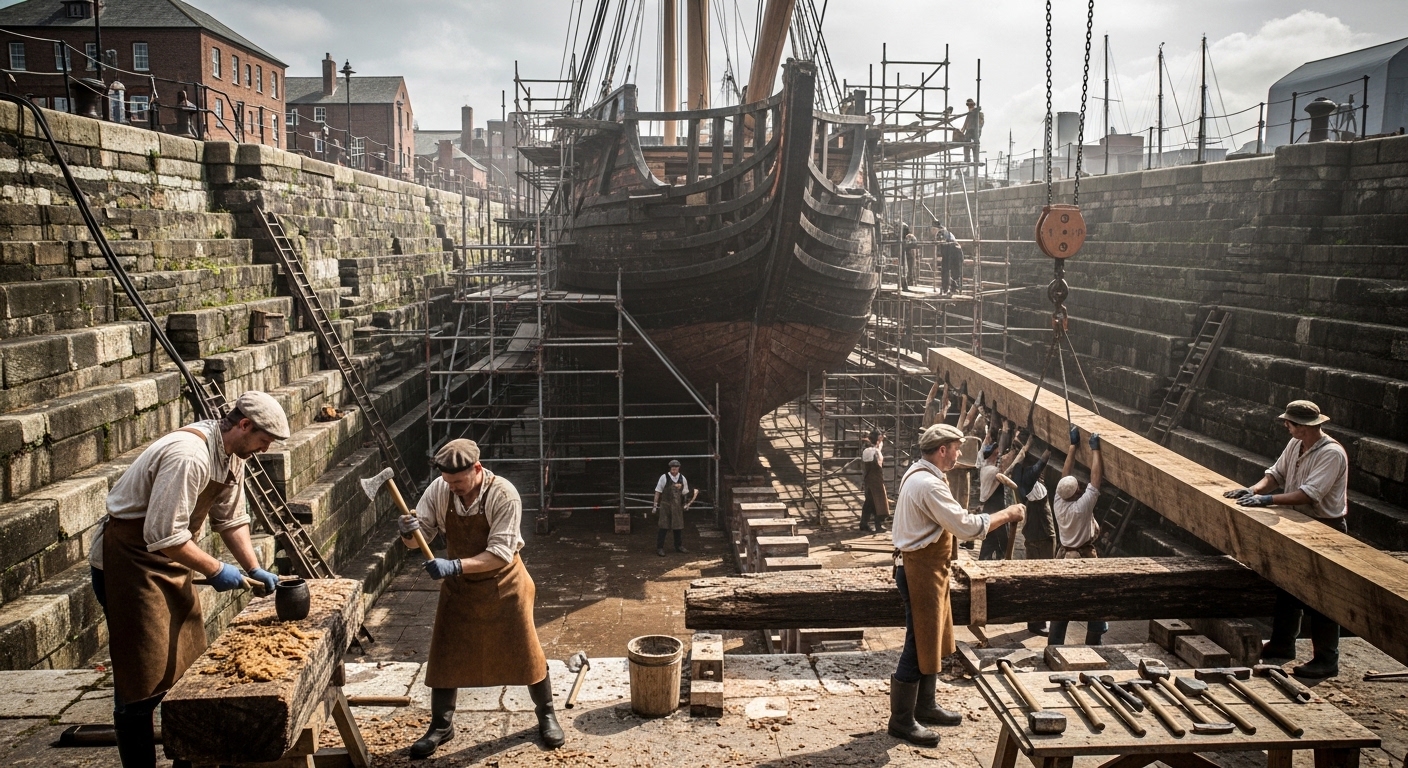
Travel is not always about beaches, mountains, or modern cities. Sometimes, the most fascinating journeys take you into the past, where stories of craftsmanship, trade, and exploration come alive. One such unique experience is historic shipyards travel. These regions, once bustling centers of shipbuilding, still carry the echoes of maritime history, innovation, and human ambition.
From massive wooden vessels crafted by hand to steel giants that ruled the oceans, shipyards have shaped global trade and cultural exchange. Today, many of these historic shipyards have transformed into cultural landmarks, museums, and living heritage sites. Travelers who explore these destinations gain a deeper understanding of how maritime industries influenced the modern world.
Have you ever wondered how ships were built centuries ago without modern technology? Or what life was like for workers who spent years crafting vessels that crossed oceans? Historic shipyards travel answers these questions in the most immersive way possible.
Why Historic Shipyards Travel Is Gaining Popularity
Travelers today are increasingly drawn to destinations that offer meaning and depth. Historic shipyards provide a perfect blend of education, culture, and storytelling. These places allow visitors to step into a world where skilled artisans, engineers, and sailors worked together to create ships that connected continents.
Unlike traditional tourist attractions, shipyards tell stories of resilience, innovation, and global exploration. Visitors often find themselves walking through massive docks, examining tools used centuries ago, and imagining the effort required to build ships without modern machinery.
Historic shipyards travel also appeals to those interested in industrial heritage. These sites showcase how industries evolved and how they shaped local communities. Many shipyard towns grew into thriving cities because of maritime trade and shipbuilding activities.

Famous Regions Known for Historic Shipyards
Several regions around the world stand out for their rich shipbuilding heritage. These destinations offer unique experiences that combine history, architecture, and maritime culture.
In the United Kingdom, Portsmouth Historic Dockyard is one of the most famous maritime sites. Visitors can explore historic ships, including vessels that played key roles in naval history. The dockyard offers a detailed look at shipbuilding techniques and naval life.
Another remarkable destination is Karlskrona in Sweden. This UNESCO-listed naval port showcases well-preserved shipyards and naval architecture. Walking through Karlskrona feels like stepping back into the 17th century.
In the United States, Mystic Seaport in Connecticut offers an immersive maritime museum experience. Visitors can see restored ships, traditional workshops, and demonstrations of historic shipbuilding techniques.
Japan also offers fascinating shipyard heritage in cities like Nagasaki, where shipbuilding played a crucial role in modernization. The region blends industrial heritage with cultural history, making it a unique destination.
Travelers flying with global carriers such as Emirates or British Airways can easily access these destinations and begin their historic shipyards travel journey.
What You Can Experience at Historic Shipyards
Walk Through Massive Dry Docks
Dry docks are among the most impressive structures in historic shipyards. These massive spaces were used to build and repair ships. Walking through them gives visitors a sense of the scale and complexity of shipbuilding operations.
Standing in a dry dock, you can imagine workers assembling ships piece by piece. The sheer size of these structures highlights the engineering skills of the past.
Explore Maritime Museums
Many historic shipyards now function as museums. These museums display artifacts such as tools, blueprints, navigation instruments, and ship models. Visitors gain insight into the evolution of shipbuilding techniques over centuries.
Interactive exhibits often allow guests to try traditional methods or learn about navigation and trade routes.
See Restored Historic Ships
One of the highlights of historic shipyards travel is seeing restored ships up close. These vessels provide a tangible connection to the past. Visitors can walk on decks, explore cabins, and understand how sailors lived during long voyages.
Some ships even host guided tours that explain their history and significance.
Watch Live Craft Demonstrations
In many shipyard heritage sites, artisans demonstrate traditional crafts such as rope making, wood carving, and sail stitching. These demonstrations show the skill and precision required to build ships before modern technology.
Watching these crafts in action adds a dynamic element to the experience.
The Cultural Impact of Shipyards
Shipyards were more than industrial sites. They were cultural hubs that brought together people from different backgrounds. Workers, traders, and sailors created diverse communities that influenced local traditions and lifestyles.
Historic shipyards travel allows visitors to explore this cultural diversity. Many shipyard towns feature unique architecture, cuisine, and festivals inspired by maritime heritage.
In some regions, shipbuilding traditions are still alive. Local communities continue to preserve techniques passed down through generations. This continuity keeps maritime culture relevant even in the modern era.
Challenges in Preserving Historic Shipyards
Preserving historic shipyards is not always easy. Many sites face challenges such as aging infrastructure, limited funding, and environmental concerns. Restoration projects require significant resources and expertise.
However, organizations and governments around the world are working to protect these sites. Heritage programs and tourism initiatives help generate revenue for preservation efforts.
Visitors play an important role as well. By choosing historic shipyards travel, tourists contribute to the sustainability of these cultural landmarks.

Tips for Planning Your Historic Shipyards Travel
Research Before You Visit
Each shipyard offers a unique experience. Researching in advance helps you understand what to expect and plan your itinerary effectively.
Take Guided Tours
Guided tours provide valuable insights that you might miss on your own. Experts share detailed information about shipbuilding processes and historical events.
Allow Enough Time
Shipyard sites are often large and detailed. Allocate sufficient time to explore museums, ships, and surrounding areas.
Respect Heritage Sites
Follow guidelines and respect preservation efforts. Avoid touching fragile artifacts and adhere to site rules.
Reflect on Your Journey
Think about the role shipyards played in shaping global history. These sites connected continents, enabled trade, and supported exploration. Without them, the modern world would look very different.
Historic shipyards travel offers more than sightseeing. It provides a deeper understanding of human ingenuity and collaboration.
Have you ever visited a historic shipyard? Which destination would you like to explore first? Would you prefer walking through a naval dockyard or exploring a maritime museum?
We invite you to share your thoughts and travel experiences with us. Your stories inspire others to discover unique destinations around the world.
If you enjoy exploring cultural and historical travel experiences, stay connected with WentWorld. Follow our social media platforms for more inspiring journeys and travel insights.
Historic shipyards travel reveals the hidden stories behind global exploration and trade. These destinations remind us that every ship once started as an idea, shaped by human hands and determination.
Catch up on the top stories and travel deals by subscribing to our newsletter!