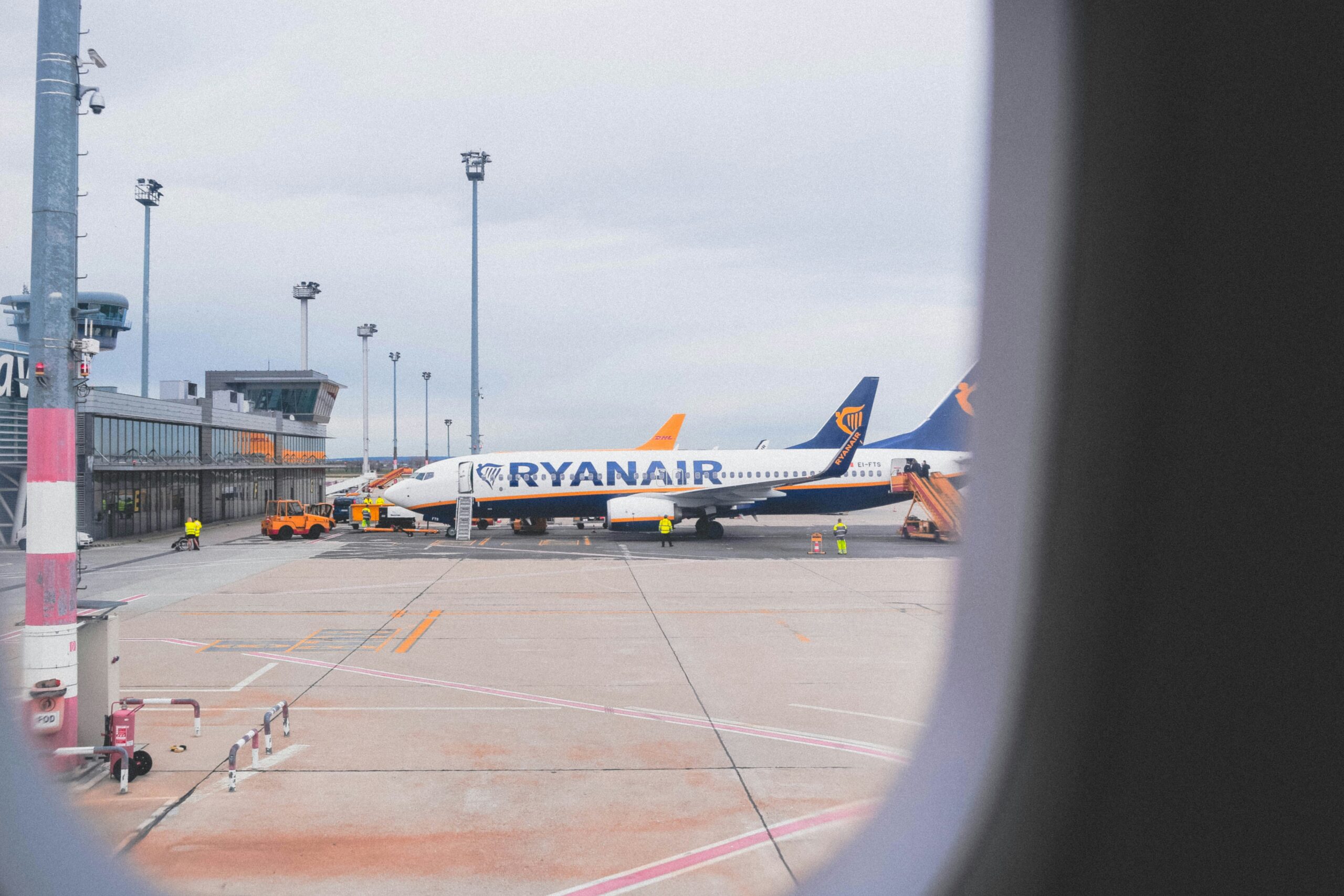
Ryanair triggers a travel shift as new deadlines reshape European airport routines. Moreover, Ryanair enforces stricter check-in rules that demand earlier passenger action. Consequently, millions of travelers now face tighter schedules across major European airports.
Starting November 10, 2026, airport counters close sixty minutes before departure. Previously, Ryanair allowed a forty-minute window for check-in and bag drop. Therefore, passengers must adjust plans and arrive much earlier than before.
Meanwhile, authorities across Europe introduce new border systems to strengthen security. Specifically, the entry-exit system uses biometric checks that increase processing time. As a result, queues grow longer at immigration points across the region.
Consequently, Ryanair adjusts its operations to reduce delays and improve flight punctuality. By closing counters earlier, the airline pushes passengers toward faster security clearance. Therefore, airlines aim to prevent last-minute disruptions that delay departures.
However, passengers now face higher risks of missing flights due to shorter deadlines. If travelers miss the sixty-minute cutoff, airlines deny boarding without refunds. Thus, even small delays at airports can cause major travel disruptions.
Meanwhile, digital check-in offers relief for passengers without checked luggage. These travelers skip counters and head directly to security checkpoints. Therefore, digital tools continue to reshape how passengers navigate airports.
However, families and long-haul travelers still depend on airport counters for baggage handling. Consequently, these groups face greater pressure under stricter timelines. Therefore, preparation and early arrival now play a crucial role in travel success.
Additionally, airports expand self-service kiosks to improve efficiency and reduce queues. These systems help travelers complete bag drop quickly without staff assistance. However, travelers must understand these tools to avoid unnecessary delays.
Ultimately, Ryanair signals a broader shift in global travel systems and expectations. Airlines and governments reshape travel with stricter timelines and advanced technology. Therefore, passengers must adapt quickly to ensure smooth journeys across Europe.
Related stories:
Catch up on the top stories and travel deals by subscribing to our newsletter!