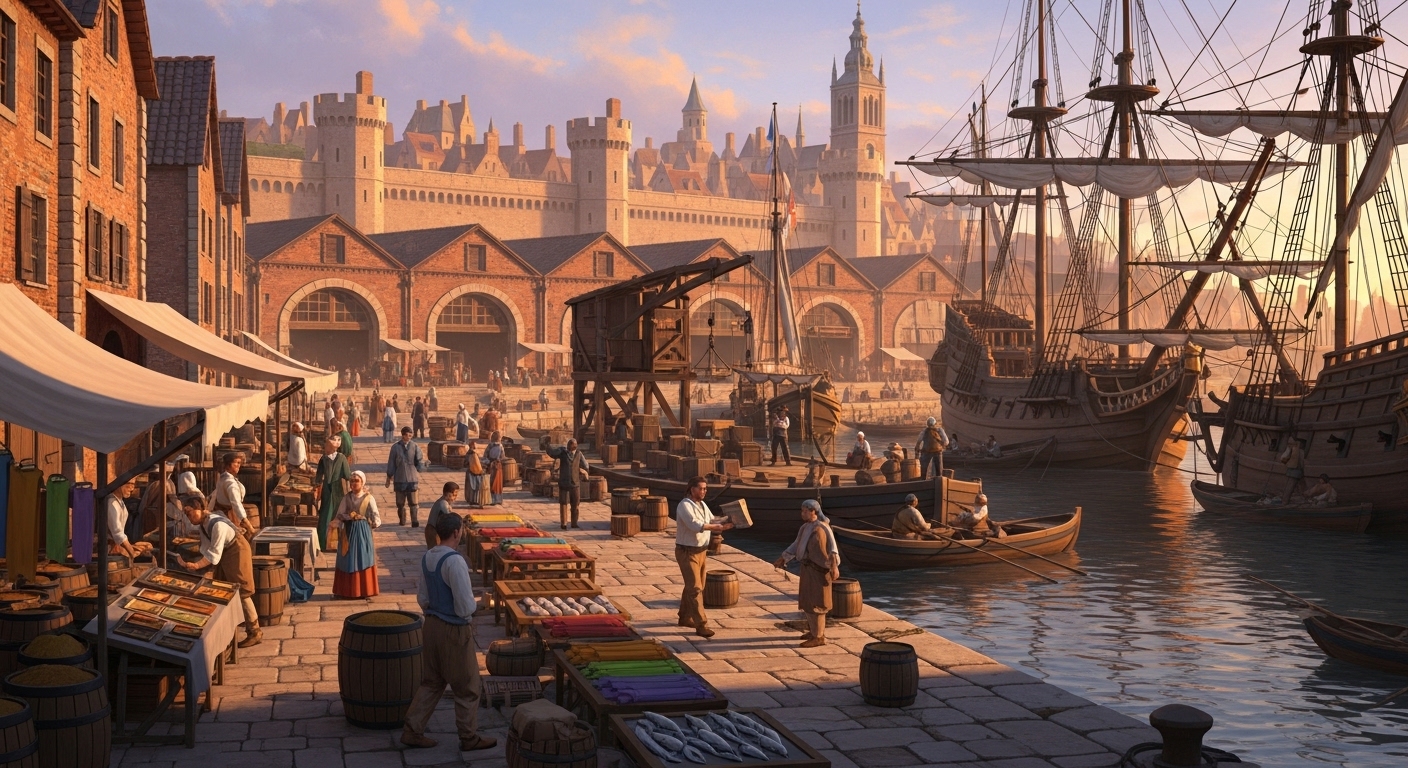
Long before airplanes and modern highways, the world connected through vast networks of trade routes that stretched across continents and oceans. These routes gave rise to thriving cities known as trade ports, where merchants exchanged goods, cultures blended, and civilizations flourished. Today, ancient trade ports travel offers a unique way to explore history while experiencing vibrant destinations that still carry echoes of their commercial past.
Travelers who follow these historic routes step into a world shaped by spices, silk, gold, and stories. Ancient ports were more than economic hubs; they were melting pots of language, religion, architecture, and tradition. From bustling harbors to quiet coastal towns, these regions reveal how global connections existed long before modern globalization.
Have you ever imagined standing in a place where traders from different continents once negotiated deals centuries ago? Or walking through streets where ships from distant lands once docked with treasures? Ancient trade ports travel allows you to relive these moments.
Why Ancient Trade Ports Travel Captivates Modern Explorers
Travel trends now focus on experiences that combine history, culture, and storytelling. Ancient trade ports travel fits perfectly into this shift. These destinations provide depth, allowing travelers to connect with the past while enjoying the present.
Trade ports often sit at strategic coastal locations. This makes them naturally beautiful, with scenic waterfronts, historic architecture, and lively markets. Visitors can explore old warehouses, forts, and docks that once handled goods from across the world.
Another reason travelers love ancient trade ports involves cultural diversity. Centuries of trade brought different communities together. This influence remains visible in food, language, and architecture. Walking through these regions often feels like exploring multiple cultures at once.
Ancient trade ports also appeal to curious minds. Every corner tells a story about merchants, explorers, and local communities who shaped global commerce. These stories transform sightseeing into an educational journey.

Iconic Regions Known for Ancient Trade Ports
Across the globe, several regions stand out for their historical importance in trade networks. These places continue to attract travelers seeking cultural depth and historical richness.
The Middle East played a vital role in connecting East and West. Cities like Muscat served as key maritime hubs linking Asia, Africa, and Europe. Traders exchanged spices, textiles, and precious metals in bustling markets.
In Europe, coastal cities like Venice became powerful trade centers. Its canals once carried ships loaded with goods from across the Mediterranean. Today, visitors still experience its unique maritime heritage.
East Africa also played a major role in ancient trade. Ports such as Zanzibar connected Africa with Arabia and India. These regions became famous for spices, ivory, and cultural exchange.
South Asia offers rich trade history as well. Coastal cities in India thrived as part of ancient maritime networks. Travelers flying with Emirates often explore destinations like Kerala, where spice trade routes shaped local culture.
In Southeast Asia, the Strait of Malacca served as one of the busiest trade routes in history. Ports in this region welcomed merchants from China, India, and the Middle East.
Experiences That Define Ancient Trade Ports Travel
Walking Through Historic Harbors
Many ancient ports still preserve their original harbors. Visitors can walk along docks where ships once arrived carrying goods from distant lands. These locations provide a powerful sense of connection to history.
Old warehouses and trading buildings often stand nearby. These structures reveal how goods were stored and transported. Exploring them helps travelers understand the scale of ancient commerce.
Exploring Local Markets
Markets remain central to trade port culture. Many cities continue to host vibrant bazaars filled with spices, textiles, and handmade crafts. These markets reflect centuries of trading tradition.
Travelers can interact with local vendors, taste regional food, and purchase unique items that carry historical significance.
Discovering Cultural Fusion
Trade ports often showcase a blend of architectural styles. Visitors may see mosques, temples, churches, and colonial buildings within the same area. This diversity reflects the cultural exchange that defined these regions.
Food also highlights this fusion. Dishes often combine flavors from different parts of the world, creating unique culinary experiences.
Visiting Museums and Heritage Sites
Many trade port cities feature museums dedicated to maritime history. These institutions display artifacts such as maps, ship models, and trade goods. They provide valuable context for understanding ancient trade networks.
Organizations like UNESCO help preserve many of these heritage sites, ensuring future generations can explore their history.
The Human Stories Behind Trade Ports
Ancient trade ports were not just about goods. They were about people. Merchants traveled long distances, often facing dangerous journeys to reach these ports. Their determination shaped global trade and cultural exchange.
Local communities also played an important role. They provided goods, services, and hospitality to visiting traders. These interactions created bonds that lasted generations.
Travelers today often feel inspired by these stories. They reveal how human ambition and curiosity connected the world long before modern technology.
Challenges in Preserving Ancient Trade Ports
Many historic ports face challenges due to modernization and environmental changes. Urban development sometimes threatens heritage sites. Coastal erosion and climate change also impact these regions.
However, conservation efforts continue to protect these valuable locations. Responsible tourism plays a key role in supporting preservation initiatives.
Visitors can contribute by respecting local guidelines, supporting heritage projects, and choosing sustainable travel options.

Tips for Exploring Ancient Trade Ports
Research Before You Visit
Understanding the history of a destination enhances your experience. Learn about the goods traded, cultures involved, and historical significance.
Engage With Local Guides
Local guides often share fascinating stories that bring history to life. Their knowledge adds depth to your journey.
Take Time to Explore Slowly
Trade ports reveal their beauty through details. Walk through streets, observe architecture, and visit hidden corners.
Support Local Businesses
Buying local products and dining at local restaurants helps sustain communities and preserve traditions.
Reflect on the Journey
Ancient trade ports travel encourages travelers to think about how the world connected in the past. These regions remind us that globalization is not new; it has existed for centuries.
What makes these destinations truly special is their ability to combine history with modern life. Visitors can enjoy vibrant cities while exploring stories that shaped global trade.
Have you ever visited a historic port city? What fascinated you the most—the architecture, the markets, or the stories of traders?
We invite you to share your experiences and thoughts. Your stories inspire others to explore meaningful travel routes.
If you enjoy discovering unique travel experiences like ancient trade ports travel, stay connected with WentWorld. Follow our social media platforms for more insights, guides, and inspiring journeys.
Ancient trade ports continue to stand as symbols of connection, exchange, and human curiosity. Exploring them allows travelers to walk through history while discovering cultures that still thrive today.
Catch up on the top stories and travel deals by subscribing to our newsletter!