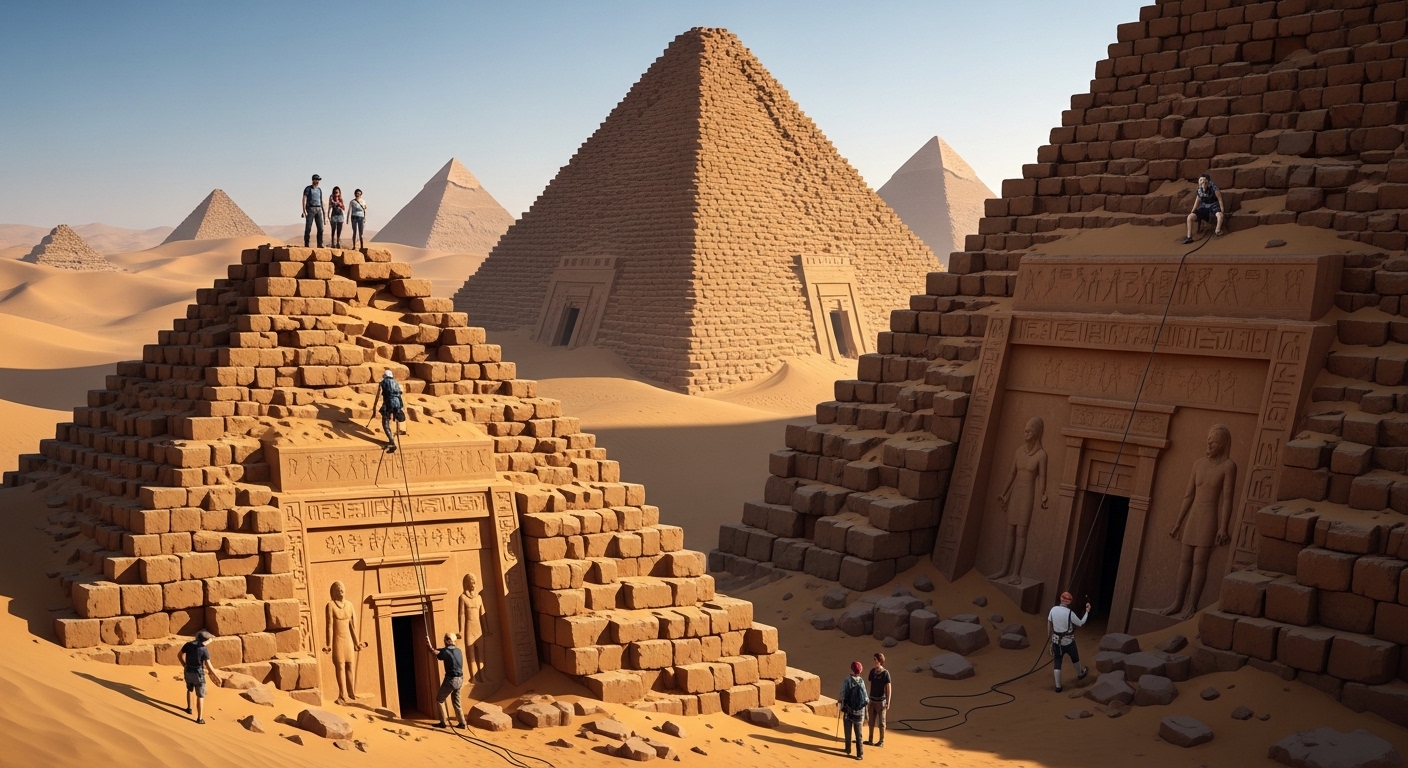
There is something deeply fascinating about traveling through regions known for ancient burial sites. These places hold stories that go far beyond written history. Travelers who seek ancient burial sites travel experiences often look for more than scenic beauty. They want to understand how past civilizations honored their dead, expressed beliefs about life and death, and built monuments that continue to stand for centuries.
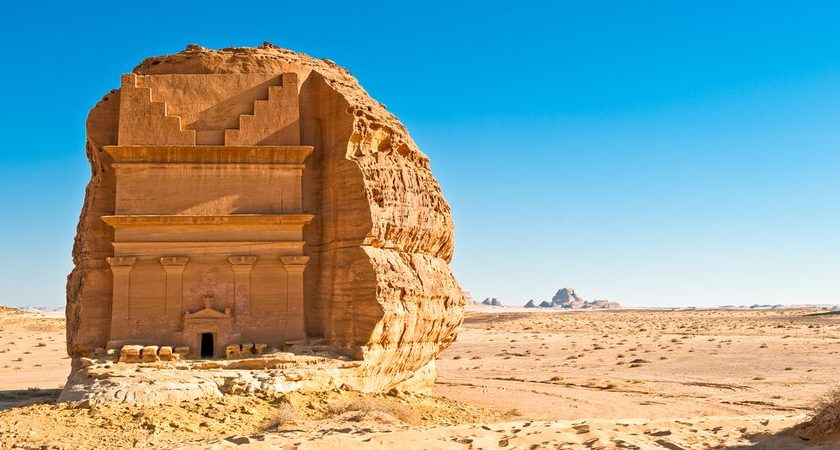
From massive pyramids rising from desert sands to hidden tombs carved into mountains, ancient burial sites travel offers a unique blend of mystery, history, and cultural discovery. These sites connect us to ancient traditions, spiritual beliefs, and architectural brilliance that shaped human civilization.
Have you ever wondered what stories lie beneath these ancient structures? What secrets do they still hold? Exploring these regions invites travelers to step into the past and experience history in a deeply personal way.
Why Ancient Burial Sites Travel Attracts Curious Explorers
Travelers today seek meaningful journeys that go beyond surface-level sightseeing. Ancient burial sites travel provides a powerful connection to history and culture. These locations often represent the most sacred spaces of ancient societies, where rituals, beliefs, and traditions were preserved.
Many burial sites reveal how civilizations viewed the afterlife. Some cultures believed in elaborate journeys after death, while others focused on honoring ancestors. Visiting these places allows travelers to understand humanity’s shared curiosity about life beyond death.
These sites also showcase remarkable engineering and artistic skills. Massive stone structures, intricate carvings, and hidden chambers demonstrate the advanced knowledge of ancient builders. Travelers often find themselves amazed by how these structures were created without modern technology.

Iconic Destinations for Ancient Burial Sites Travel
Certain regions around the world have become famous for their extraordinary burial sites. These destinations offer unforgettable experiences for travelers interested in history and archaeology.
One of the most well-known examples is the Great Pyramids of Giza in Egypt. These monumental structures served as tombs for pharaohs and remain among the most impressive achievements in human history. Visitors exploring these pyramids often feel a sense of awe and curiosity about the ancient Egyptian civilization.
In Europe, the ancient passage tomb of Newgrange in Ireland offers a unique experience. Built over 5,000 years ago, this site aligns with the winter solstice, allowing sunlight to illuminate its inner chamber. This remarkable design reflects the advanced understanding of astronomy among ancient builders.
Asia also features incredible burial sites. The Terracotta Army in China consists of thousands of life-sized sculptures buried with Emperor Qin Shi Huang. These figures were created to protect the emperor in the afterlife, showcasing the importance of burial rituals in ancient Chinese culture.
In South America, the Nazca region and surrounding areas contain ancient burial grounds that reveal the traditions of pre-Columbian civilizations. Travelers often combine these visits with flights operated by airlines such as LATAM Airlines to explore Peru’s rich archaeological landscape.
Closer to South Asia, regions across India and Pakistan also hold lesser-known burial sites, including ancient graves, shrines, and archaeological remains that reflect centuries of cultural evolution.
Experiences That Define Ancient Burial Sites Travel
Traveling through regions known for ancient burial sites involves more than simply visiting monuments. It includes immersive experiences that deepen understanding and appreciation of history.
Walking Through Ancient Tombs
Entering a tomb or burial chamber creates a powerful emotional experience. The silence, dim lighting, and enclosed spaces often evoke a sense of reverence. Travelers feel connected to the individuals who were laid to rest thousands of years ago.
Many tombs contain detailed carvings and inscriptions that tell stories about the deceased. These artistic elements provide insight into social status, beliefs, and daily life in ancient times.
Learning From Local Guides
Guides play a crucial role in ancient burial sites travel. Their knowledge helps visitors understand the historical and cultural significance of each site. Stories shared by guides often bring these ancient places to life.
Travelers are encouraged to ask questions and engage with guides to gain deeper insights into the mysteries surrounding these sites.
Exploring Museums and Artifacts
Many burial sites are accompanied by museums that display artifacts discovered during excavations. These objects include jewelry, tools, pottery, and ceremonial items that reveal details about ancient lifestyles.
Organizations such as National Geographic frequently document discoveries that continue to expand our understanding of ancient burial traditions.
The Cultural and Spiritual Significance of Burial Sites
Ancient burial sites hold deep cultural and spiritual meaning. For many communities, these locations remain sacred even today. Travelers must approach them with respect and sensitivity.
Burial practices often reflect beliefs about life, death, and the afterlife. Some cultures focused on preserving the body, while others emphasized spiritual journeys. These traditions provide valuable insight into the diversity of human beliefs.
Visitors often find themselves reflecting on their own perspectives about life and mortality while exploring these sites. This makes ancient burial sites travel both educational and deeply personal.
Challenges and Ethical Considerations
While ancient burial sites attract global interest, they also face challenges. Tourism can sometimes threaten preservation efforts. Large crowds may cause damage to fragile structures and artifacts.
Responsible travel is essential. Visitors should follow guidelines, avoid touching delicate surfaces, and respect local customs. Supporting conservation initiatives helps protect these sites for future generations.
Some regions also limit access to certain areas to preserve their integrity. Travelers should always respect these restrictions and understand their importance.

Tips for Planning Ancient Burial Sites Travel
Research Before You Go
Understanding the history and significance of a site enhances the travel experience. Research allows visitors to appreciate details they might otherwise overlook.
Respect Cultural Norms
Many burial sites remain sacred. Dress modestly and follow local customs when visiting these locations.
Choose Sustainable Travel Options
Support local communities by choosing responsible tour operators and accommodations.
Travel With Curiosity
Approach each site with an open mind. Ancient burial sites travel offers an opportunity to learn and reflect.
A Journey Through Time and Reflection
Traveling through regions known for ancient burial sites is not just about history. It is about connection. These places remind us that human beings across centuries have shared similar questions about life, death, and meaning.
Ancient burial sites travel allows us to explore these questions while experiencing some of the most remarkable structures ever built. Each site tells a story, and every traveler becomes part of that story.
Have you ever visited an ancient burial site? Which destination fascinates you the most? Would you explore pyramids, tombs, or hidden underground chambers?
We invite you to share your thoughts and experiences. Your stories inspire others to explore the world in meaningful ways.
If you enjoy discovering destinations filled with history and mystery, follow WentWorld on our social media platforms for more inspiring travel insights and guides.
The world is full of ancient secrets waiting to be uncovered. Your next journey could take you closer to understanding civilizations that shaped our present.
Catch up on the top stories and travel deals by subscribing to our newsletter!