
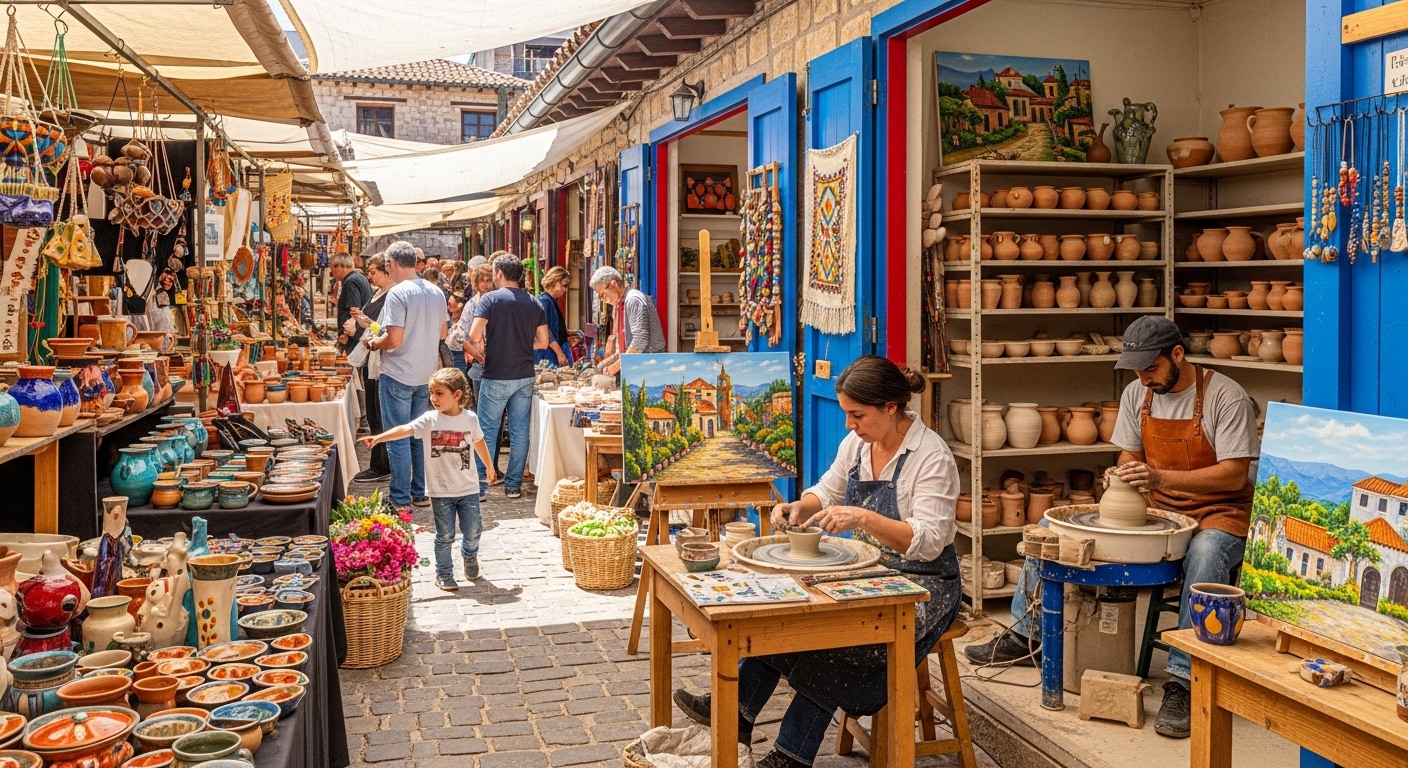
Travel has evolved far beyond sightseeing and luxury stays. Modern travelers increasingly search for experiences that feel authentic, creative, and deeply connected to local culture. This shift explains why many tourists now explore cities famous for their artisan districts. These neighborhoods preserve traditional craftsmanship, celebrate artistic heritage, and offer visitors a chance to witness creativity in its purest form.
From handwoven textiles and pottery workshops to leather markets and street-side studios, artisan districts reveal the soul of a destination. These creative neighborhoods are often filled with small workshops, family-run businesses, local galleries, and bustling craft markets where every product carries a story. Travelers do not simply buy souvenirs in these districts. They discover generations of tradition, cultural identity, and artistic passion.
The charm of cities famous for their artisan districts lies in the atmosphere itself. Narrow streets filled with colorful shops, artists working by hand, the scent of fresh paint or leather, and conversations between craftsmen and visitors create unforgettable memories. Have you ever watched a local artisan create something entirely by hand? That moment alone can transform how you value craftsmanship forever.
Across the world, artisan districts continue to attract travelers seeking meaningful cultural experiences. Whether you love handmade products, photography, architecture, food, or local traditions, these creative neighborhoods offer something special for every traveler.
Why Travelers Love Artisan Districts
Artisan districts provide experiences that feel personal and genuine. Unlike large shopping malls filled with mass-produced goods, artisan neighborhoods focus on handmade creations and local traditions. Visitors often meet the artists directly, learn about their process, and understand the cultural significance behind their work.
These districts also preserve traditional skills that might otherwise disappear in a rapidly modernizing world. Travelers who support local artisans contribute directly to preserving cultural heritage and sustaining small communities.
Another reason travelers love artisan districts involves the emotional connection to handmade products. A handcrafted ceramic bowl or woven scarf carries far more meaning than something factory-made. Many travelers remember exactly where they bought a handmade item and who created it.
Artisan neighborhoods also inspire creativity. Walking through streets filled with murals, workshops, galleries, and open studios often motivates travelers to appreciate art in new ways.

Florence: Italy’s Timeless Artisan Capital
Florence remains one of the most famous cities for artisan culture. The city’s Oltrarno district preserves centuries-old craftsmanship traditions that continue to attract travelers from around the world.
Florentine artisans specialize in leatherwork, jewelry, paper making, ceramics, and wood carving. Visitors can walk through quiet streets lined with family-owned workshops where craftsmen still use techniques passed down through generations.
The beauty of Florence lies not only in its Renaissance architecture but also in its living artistic culture. Travelers often spend hours watching artisans shape leather bags, engrave jewelry, or restore antique furniture.
The district also offers charming cafes and local restaurants where visitors can relax after exploring artisan studios. Travelers arriving through ITA Airways often include Florence specifically to experience its artistic heritage.
Kyoto and the Art of Japanese Craftsmanship
Japan’s Kyoto combines tradition, elegance, and craftsmanship unlike almost any other city in the world. The city’s artisan districts preserve ancient techniques involving ceramics, textiles, bamboo work, lacquerware, and paper production.
Walking through Kyoto’s historic neighborhoods feels like stepping into another era. Small wooden workshops line the streets while local artisans quietly create products with extraordinary precision and patience.
Kyoto’s Nishijin district is particularly famous for traditional textile weaving. Visitors can observe artisans creating stunning kimono fabrics using methods developed centuries ago.
The city also offers traditional tea houses, temples, and peaceful gardens that complement its artistic atmosphere perfectly.
Marrakech and Morocco’s Living Craft Traditions
Marrakech is one of the world’s most colorful and energetic artisan destinations. Its bustling medina contains countless workshops and markets where craftsmen produce handmade lanterns, carpets, leather goods, ceramics, and jewelry.
The sounds, colors, and aromas of Marrakech create an unforgettable sensory experience. Travelers can spend entire days exploring narrow alleyways filled with artisans practicing traditional Moroccan crafts.
Many workshops welcome visitors to observe the crafting process. Watching metalworkers shape lanterns or carpet weavers create intricate patterns by hand offers fascinating insight into Moroccan culture.
Artisan districts in Marrakech also demonstrate how creativity and commerce coexist naturally within daily life.
Mexico City’s Creative Artisan Communities
Mexico City has become increasingly popular among travelers interested in art and craftsmanship. Neighborhoods such as Coyoacán and San Ángel feature artisan markets, galleries, and workshops showcasing traditional Mexican creativity.
Travelers exploring these districts often discover handmade pottery, embroidered textiles, silver jewelry, and colorful folk art inspired by indigenous traditions.
The city’s artisan culture reflects a blend of history, identity, and modern artistic innovation. Local artists continue adapting traditional styles while preserving cultural authenticity.
Food also plays an important role in these creative neighborhoods. Visitors can enjoy authentic Mexican cuisine while exploring markets and artisan fairs.
Istanbul’s Historic Grand Bazaar District
Istanbul has connected cultures and trade routes for centuries, making it one of the world’s most historically rich artisan cities.
The Grand Bazaar remains a legendary destination for handcrafted products including carpets, ceramics, jewelry, lamps, spices, and textiles. The district contains thousands of small shops where artisans continue practicing traditional Ottoman crafts.
Travelers visiting Istanbul often describe the bazaar as an experience rather than a marketplace. Conversations with shop owners, demonstrations of craftsmanship, and the vibrant atmosphere create lasting memories.
Beyond shopping, Istanbul’s artisan culture reflects the city’s fascinating blend of European and Asian influences.
Jaipur and India’s Royal Artisan Heritage
India’s Jaipur stands out as one of Asia’s most visually stunning artisan cities. Known as the Pink City, Jaipur is famous for jewelry making, block printing, blue pottery, and gemstone craftsmanship.
The city’s bustling bazaars attract travelers searching for authentic handmade products and traditional Indian artistry. Many workshops remain family-run businesses where techniques have survived for generations.
Travelers visiting Jaipur often enjoy watching craftsmen carve gemstones or create hand-printed fabrics using intricate wooden blocks.
Jaipur’s architecture, palaces, and colorful markets create an atmosphere that perfectly complements its artistic traditions.
The Emotional Connection Between Travelers and Handmade Art
One of the most beautiful aspects of visiting artisan districts involves the emotional connection travelers develop with handmade products. Every handcrafted item represents time, patience, and human creativity.
Unlike factory-made goods, artisan products often reflect local identity and cultural storytelling. A handmade carpet may represent regional traditions. A ceramic bowl may carry symbols connected to history or spirituality.
Travelers increasingly value these personal connections because modern life often feels dominated by mass production and digital experiences. Artisan districts remind people of the beauty of slow, intentional craftsmanship.
Have you ever purchased something handmade during your travels that still reminds you of a special moment or destination? Many travelers treasure these items for years because they represent memories rather than possessions.
How Artisan Districts Support Sustainable Tourism
Supporting artisan communities directly benefits local economies. Travelers who purchase handmade goods help small businesses survive while encouraging younger generations to continue traditional crafts.
Many artisan districts also promote environmentally responsible production methods. Handmade goods often involve natural materials, smaller-scale production, and reduced industrial waste.
Organizations such as UNESCO continue recognizing the importance of preserving cultural heritage and traditional craftsmanship around the world.
Travelers increasingly choose destinations that promote authentic cultural preservation instead of mass tourism development. Artisan districts align perfectly with this growing travel trend.

Tips for Exploring Artisan Districts
Take Your Time
Artisan neighborhoods are best explored slowly. Wander through side streets, observe workshops, and enjoy conversations with local artists.
Ask Questions
Many artisans enjoy explaining their techniques and cultural traditions. Showing curiosity often leads to memorable interactions.
Support Local Businesses
Purchasing directly from artisans ensures your money supports local communities rather than large corporations.
Respect Photography Rules
Some artisans may prefer not to be photographed while working. Always ask permission respectfully.
Look Beyond Souvenirs
Artisan districts offer cultural experiences, not just shopping opportunities. Appreciate the history and craftsmanship behind every product.
The Future of Artisan Travel
As travelers increasingly seek meaningful experiences, artisan tourism will likely continue growing worldwide. Creative neighborhoods allow visitors to engage with local culture in ways that traditional tourism often cannot provide.
Many cities now actively protect artisan communities because they understand their cultural and economic importance. Governments and tourism organizations recognize that preserving craftsmanship strengthens cultural identity while attracting responsible travelers.
Artisan districts also encourage travelers to slow down and appreciate human creativity. In a world dominated by technology and fast consumption, handmade art feels more valuable than ever.
Cities famous for their artisan districts remind travelers that culture lives not only in museums and monuments but also in workshops, markets, and everyday creative traditions.
Which artisan city would you love to visit most? Would you explore Kyoto’s quiet workshops, Marrakech’s colorful markets, or Florence’s historic studios? We would love to hear your thoughts and travel experiences.
If you enjoy discovering authentic cultural destinations and creative travel experiences, follow WentWorld on social media for more inspiring travel stories, destination guides, and hidden gems from around the world.
The next time you travel, consider stepping beyond tourist attractions and exploring the artisan heart of a city. You may discover that the most meaningful travel memories are created not by famous landmarks but by human creativity and cultural connection.
Catch up on the top stories and travel deals by subscribing to our newsletter!










Leave a Reply
You must be logged in to post a comment.