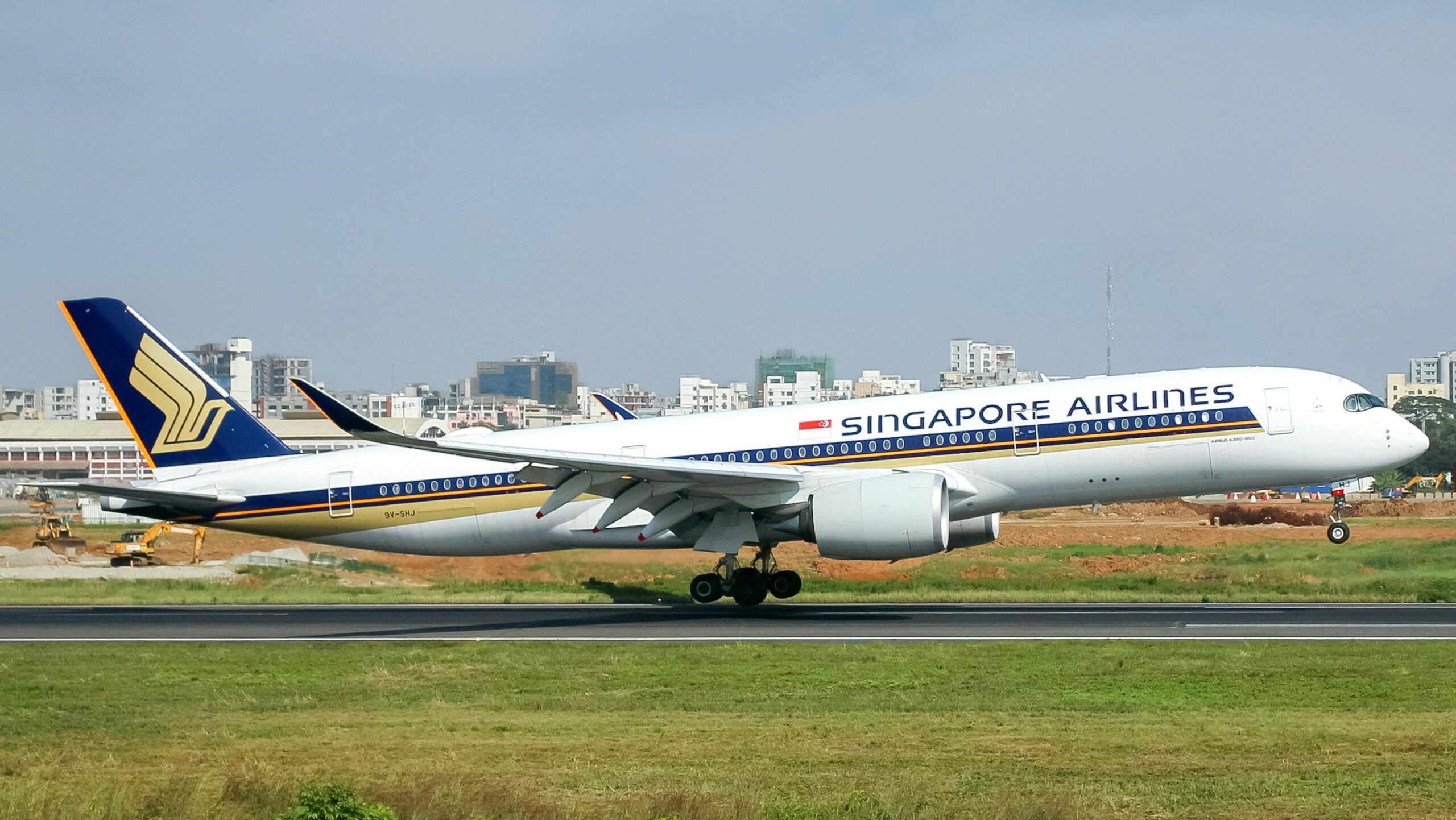
Singapore Airlines faces growing scrutiny after a recent flight ended in a dangerous medical emergency. A passenger on flight SQ26 suffered a life-threatening allergic reaction mid-air due to a meal mistake. The plane, traveling from Frankfurt to New York, had to divert to Paris. This incident triggered a lawsuit and sparked new debate over how airlines handle food allergies.
The passenger clearly informed the crew about a shellfish allergy before takeoff. Still, the cabin team served a shrimp-based dish. The allergic reaction began soon after the passenger ate it. The crew responded quickly and diverted the flight to Paris for emergency treatment. Medical teams rushed the passenger to the hospital upon landing. After recovery, the traveler continued the journey to the United States.
The legal case against Singapore Airlines refers to the Montreal Convention. This treaty governs airline responsibility during international flights. The lawsuit claims the airline failed in its duty to provide a safe experience. This failure allegedly caused both physical suffering and emotional harm. Legal experts suggest this case may set a new benchmark for airline accountability.
Air travel with allergies poses serious risks, and this case proves that protocols still fall short. While some airlines try to accommodate passengers with severe food allergies, others lack strong systems. Mislabeling and poor crew awareness can have deadly consequences. Therefore, passengers often carry their own food as a safer option.
If the case succeeds, airlines may face pressure to enforce stronger allergy management rules. This could include improved training, precise labeling, and better communication systems. Singapore Airlines, known for its premium service, now faces intense pressure to restore public trust. The incident might reshape food safety rules across the aviation sector.
Related stories:
Catch up on the top stories and travel deals by subscribing to our newsletter!