There’s something incredibly special about wandering through a bustling market — the aroma of freshly baked pastries, the sound of laughter and chatter, the twinkling lights reflecting off handcrafted ornaments, and the excitement of discovering something new. No matter where you are in the world, seasonal markets have a unique way of capturing the soul of a culture. From the enchanting Christmas villages of Europe to the vibrant summer bazaars in Asia, these gatherings offer more than just shopping — they tell stories, celebrate traditions, and bring communities together.
If you’ve ever dreamed of exploring local life in its most colorful form, then this post is your ultimate companion. In this travel-packed guide, we’ll take you through a guide to seasonal markets across continents — discovering the world’s best markets, their cultural significance, what to expect, and a few insider tips to make the most of your visits. So, ready to embark on a journey filled with sights, scents, and sounds from every corner of the globe? Let’s dive in!
Why Seasonal Markets Are More Than Just Shopping
Before hopping from one continent to another, let’s pause for a second. Why are seasonal markets such a big deal? It’s simple — they bring people together. They are where locals share their culture and creativity, and travelers find the heartbeat of a destination. Unlike shopping malls, markets are living, breathing experiences that change with the seasons. Whether you’re sipping mulled wine in Germany, bargaining for handmade crafts in Morocco, or enjoying a night of lantern-lit food stalls in Japan, each market reflects its region’s personality and rhythm.
For travelers, these markets offer something invaluable — a direct connection with local life. You’re not just buying souvenirs; you’re supporting artisans, tasting traditions, and creating memories that go far beyond the material. And isn’t that what travel is really about?
Europe: Where Seasonal Markets Feel Like Magic
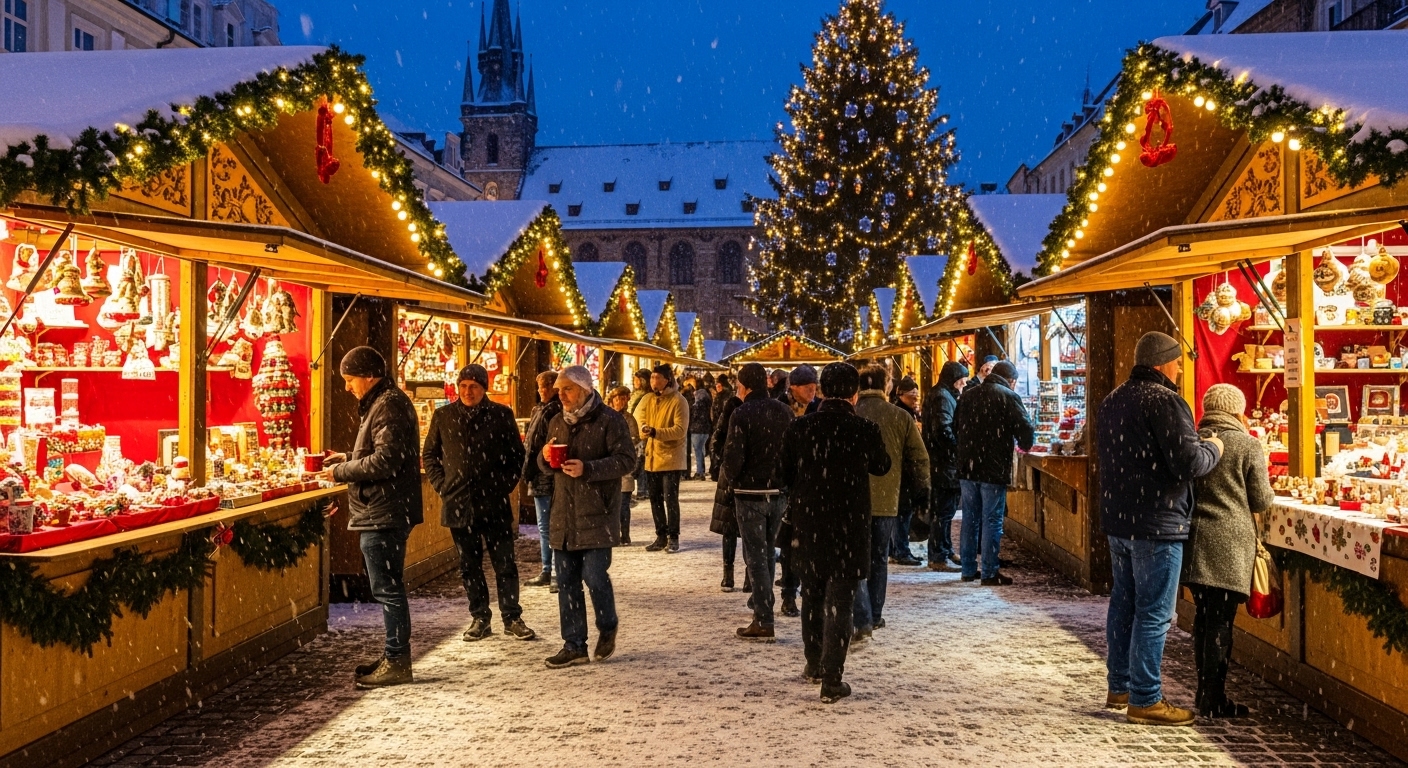
Europe is the heartland of iconic seasonal markets, especially during winter. If you’ve ever scrolled through Instagram during December, you’ve probably seen the dreamy photos — snow-dusted stalls, steaming mugs of hot chocolate, and streets that sparkle like fairy tales. But these markets are more than photo ops; they are centuries-old traditions that continue to thrive.
Germany is the undisputed champion of Christmas markets. Cities like Nuremberg, Dresden, and Munich come alive with music, crafts, and food that warm the soul. Try the Lebkuchen (gingerbread cookies), sip Glühwein (mulled wine), and browse handmade wooden toys that are still crafted using age-old methods. Each market has its own theme and charm — some are medieval-style, while others focus on regional crafts.
Not far behind, Austria’s Vienna Christmas Market is pure enchantment. Imagine the city hall glowing with festive lights as you stroll past stands filled with ornaments, candles, and pastries. Meanwhile, France brings its own flair, especially in Strasbourg, which hosts one of Europe’s oldest Christmas markets — a blend of French charm and German tradition.
And let’s not forget Scandinavia. In Sweden, the Gamla Stan market in Stockholm offers cozy vibes and saffron buns, while Finland’s Helsinki Market Square sells reindeer-based delicacies (for the adventurous, at least). Europe’s markets are all about warmth, tradition, and craftsmanship — perfect for anyone who loves nostalgia mixed with a dash of magic.
Asia: Where Markets Dance With Color and Celebration
Move eastward, and you’ll find that Asia takes the idea of markets to an entirely different level. In many Asian countries, markets aren’t just for special seasons — they’re a way of life. But there are still times of the year when they transform into extraordinary celebrations of culture and community.
Thailand is famous for its floating markets, but during the Loy Krathong festival, they become even more mesmerizing. Imagine candle-lit baskets drifting across rivers as people sell lanterns, sweets, and flowers to honor the goddess of water. In Japan, the New Year’s Markets around Tokyo and Kyoto are filled with lucky charms, ornate decorations, and the smell of yakitori grilling on the spot. The atmosphere feels both sacred and festive — a reflection of Japan’s balance between tradition and modernity.
In India, every festival is a reason for a market — from Diwali fairs packed with lights and sweets to Holi bazaars overflowing with colors and joy. Each region adds its own touch, so visiting these markets feels like stepping into a living postcard. And if you’re lucky enough to be in China during Lunar New Year, you’ll witness massive flower and lantern markets that blend artistry and spirituality in stunning ways.
Africa: Markets That Celebrate Rhythm, Art, and Community
Africa’s markets are a sensory overload in the best possible way. They’re filled with drumming, laughter, bright fabrics, and incredible smells of food being cooked right in front of you. Seasonal or not, African markets celebrate togetherness and storytelling through art, dance, and food.
During festive times, like Christmas in South Africa or harvest seasons in Ghana, markets become even more vibrant. In Marrakech, Morocco, the Jemaa el-Fnaa square transforms into a maze of magic every evening — snake charmers, storytellers, artisans, and chefs all sharing their craft. It’s chaotic, yet captivating. If you’re visiting during Ramadan, night markets across North Africa come alive with families dining outdoors, sharing sweets, and celebrating faith.
Markets in Kenya and Tanzania are also a treat for art lovers. You’ll find stunning beadwork, wood carvings, and textiles that tell ancestral stories. Buying directly from artisans not only supports local economies but also preserves traditions passed down for generations.

North America: Modern Markets With a Festive Twist
North America has its own take on seasonal markets — often blending European inspiration with local creativity. During winter, cities like New York, Toronto, and Chicago host dazzling holiday markets that mirror European charm but with a modern edge. Expect artisan coffee stands, handmade jewelry, live performances, and ice-skating rinks alongside it all.
The Union Square Holiday Market in NYC is a must-visit — filled with one-of-a-kind crafts and foods. Vancouver’s Christmas Market is another gem, especially for foodies. Beyond winter, summer and fall also bring farmers’ markets and harvest fairs that focus on local produce and sustainability. The sense of community and creativity is strong, making these markets as heartfelt as they are stylish.
South America: Where Celebration Never Stops
When it comes to energy and passion, South America takes things to another level. The markets here are an explosion of life, especially during seasonal events and festivals. In Brazil, during Carnival season, cities like Rio de Janeiro and Salvador are filled with pop-up stalls selling costumes, crafts, and street food to fuel the festivities.
In Peru, Cusco’s Inti Raymi (Festival of the Sun) is an ancient Incan celebration that includes colorful parades and markets selling traditional weavings and pottery. Meanwhile, Argentina and Chile showcase beautiful Christmas markets inspired by their European roots — with empanadas replacing gingerbread! Each market feels like a story waiting to be told, and every purchase feels like a cultural connection.
Oceania: Nature, Craft, and Local Flavor
Australia and New Zealand might not have centuries-old market traditions, but they make up for it with creativity and authenticity. In Melbourne, the Queen Victoria Market transforms with each season — think night markets in summer with live bands and sizzling food trucks, and cozy winter editions serving hot chocolate and mulled wine. In New Zealand, weekend farmers’ markets bloom with handmade soaps, cheeses, and local art — a perfect mix of community and charm.
And then there’s Fiji and other Pacific islands, where seasonal markets are deeply tied to local agriculture. When mangoes or coconuts are in season, the markets turn into fruit festivals, complete with music and traditional dances. It’s a reminder that markets aren’t just about buying — they’re about celebrating life.
How to Make the Most of Visiting Seasonal Markets
Now that we’ve traveled the world together through a guide to seasonal markets across continents, let’s talk about making the most of these experiences. Here are a few tips from frequent travelers:
- Go Early or Late: Morning visits give you calmer vibes; evenings offer the best atmosphere and food.
- Bring Cash: Many markets are cash-based, and you’ll often get better deals.
- Talk to Vendors: Don’t just buy — ask about their crafts, stories, and traditions. It makes the purchase more meaningful.
- Try Local Food: Street food is the soul of most markets. Be adventurous and taste something new.
- Be Respectful: Some markets, especially in Asia and Africa, have deep cultural significance. Always ask before taking photos.
- Pack Light: You’ll probably end up buying more than you planned!
The Universal Language of Markets
At the end of the day, markets — no matter where they are — speak a universal language. They’re about people. They’re about community, creativity, and connection. And whether you’re sipping hot cocoa in Vienna or exploring a spice market in Marrakech, you’re part of something bigger — a shared human experience that transcends borders.
So, next time you plan a trip, add a market visit to your itinerary. Not because you need souvenirs, but because you want stories — the kind that stay with you long after your suitcase is unpacked.
Which market in the world has captured your heart? Or which one is on your travel bucket list? Share your thoughts and experiences in the comments — we’d love to hear from you! And don’t forget to follow WentWorld.com on social media for more inspiring travel guides and stories.
Catch up on the top stories and travel deals by subscribing to our newsletter!