When you think of high-altitude living, you might picture remote mountain villages. Yet some of the world’s highest cities bustle with millions, thriving at altitudes that would leave most of us breathless. From La Paz perched above 3,600 m to mining hubs deep in the Andes, cities at extreme elevation pose unique daily rhythms, cultural adaptations, and stunning landscapes. Here’s your in-depth guide to the world’s highest cities, with everything you need to know—history, health tips, sightseeing, and how to thrive.
1. What Makes a High‑Altitude City Unique?
High-altitude cities sit above about 2,400 m (8,000 ft). That thin air alters life in surprising ways. Physically, oxygen decreases by a third at 3,600 m—residents adapt over generations through larger lung capacity and higher red blood-cell counts. The weather is colder and more intense, with UV levels up to 40 % stronger.
Urban design also adjusts. Buildings require insulation and larger windows to harness sunlight. Diet often focuses on hearty grains, tubers, and soups to combat the chill. And rituals—like coca-leaf tea in Bolivia or liturgy involving altitude festivals—honor both altitude and local identity. If you’re planning to visit one of these, this guide to the world’s highest cities helps you prepare mentally and physically.
2. La Paz, Bolivia – 3,650 m of Vibrant Heights
Perched dramatically in a canyon, La Paz is the world’s de facto highest national capital city. It buzzes with street markets, colonial charm, and cable cars that connect barrios with ease. Ride the “Mi Teleférico” gondola for panoramic views across the city and peaks like Illimani.
Expect mild symptoms of altitude for the first 24–48 hours—headaches, short breath. However, locals frequent markets with wilted coca leaves and soup stalls serving warming caldo at every corner. Their acclimatization is woven into daily life. This cultural adaptation is why La Paz led the list when compiling a guide to the world’s highest cities.
Must-see spots include Valle de la Luna, the Witch Market, and the colonial Plaza Murillo. And don’t miss local festivals—Carnaval or Gran Poder—where altitude meets rhythm, dance, and tradition.
3. Quito, Ecuador – Capital at 2,850 m with Colonial Beauty
Quito is another jewel in the ranking of the world’s highest cities – a UNESCO World Heritage site cradled in volcanic highlands. Like La Paz, it confronts thin air, but its moderate climate helps visitors acclimate quickly. The city’s historic quarter, with narrow cobbled lanes and baroque churches, is perfect for slow trekking.
Visit during Semana Santa to see elaborate processions winding through Plaza Grande. Walk to El Panecillo hill for sunset vistas. And if you feel ambitious, consider a day-trip cable car ride up Pichincha volcano (4,050 m), but go slowly—don’t push your lungs too fast.
The city’s altitude makes it a key city in the world’s highest cities guide—offering a mix of urban elegance and Andean altitude challenges.

4. Bogotá, Colombia – 2,640 m, Cultural & Creative Hub
High on the Andes plateau, Bogotá balances altitude with metropolitan energy. Museums, street art, and a thriving foodie scene await. But prepare for thinner oxygen: take your first days slow and sip coffee in small doses. In the evenings, the chill can drop sharply, so layers are essential.
Ciclo routes, cable cars to Monserrate at 3,152 m, and live music venues make Bogotá an active cultural hub. The seasonal flower festival “Feria de las Flores” floods the city with color in August. That’s why Bogotá is a must-mention in any guide to the world’s highest cities—it combines altitude with creativity.
5. Thimphu, Bhutan – 2,334 m of Himalayan Harmony
Thimphu isn’t the highest, but its location in the Himalayas adds a plush cultural setting. Mountains surround the small capital, and prayer wheels wheel away for good luck. Altitude effects are milder here, but still felt during first few days.
Traditional Bhutanese architecture, dzongs, and open-air weekend markets define the capital. If trekking interests you, nearby trails (Tiger’s Nest Monastery at 3,100 m) offer spiritual immersion. This makes Thimphu a high-altitude gem in our world’s highest cities.
6. El Alto, Bolivia – 4,150 m, Rising Neighbor to La Paz
Perched above La Paz in the Altiplano, El Alto is among the highest cities with over a million residents. It’s a working city—airports, markets, universities—but its altitude is extreme. Even locals wear layers against cold winds.
Stay only if you’re acclimatized. The Chinampa Market offers traditional goods, and festivals like Alasitas celebrate miniature offerings believed to grant intentions—often prayed for in extreme altitude cultures. It’s a powerful inclusion in any guide to the world’s highest cities.

7. Lhasa, Tibet – 3,656 m, Spiritual Capital on the Roof of the World
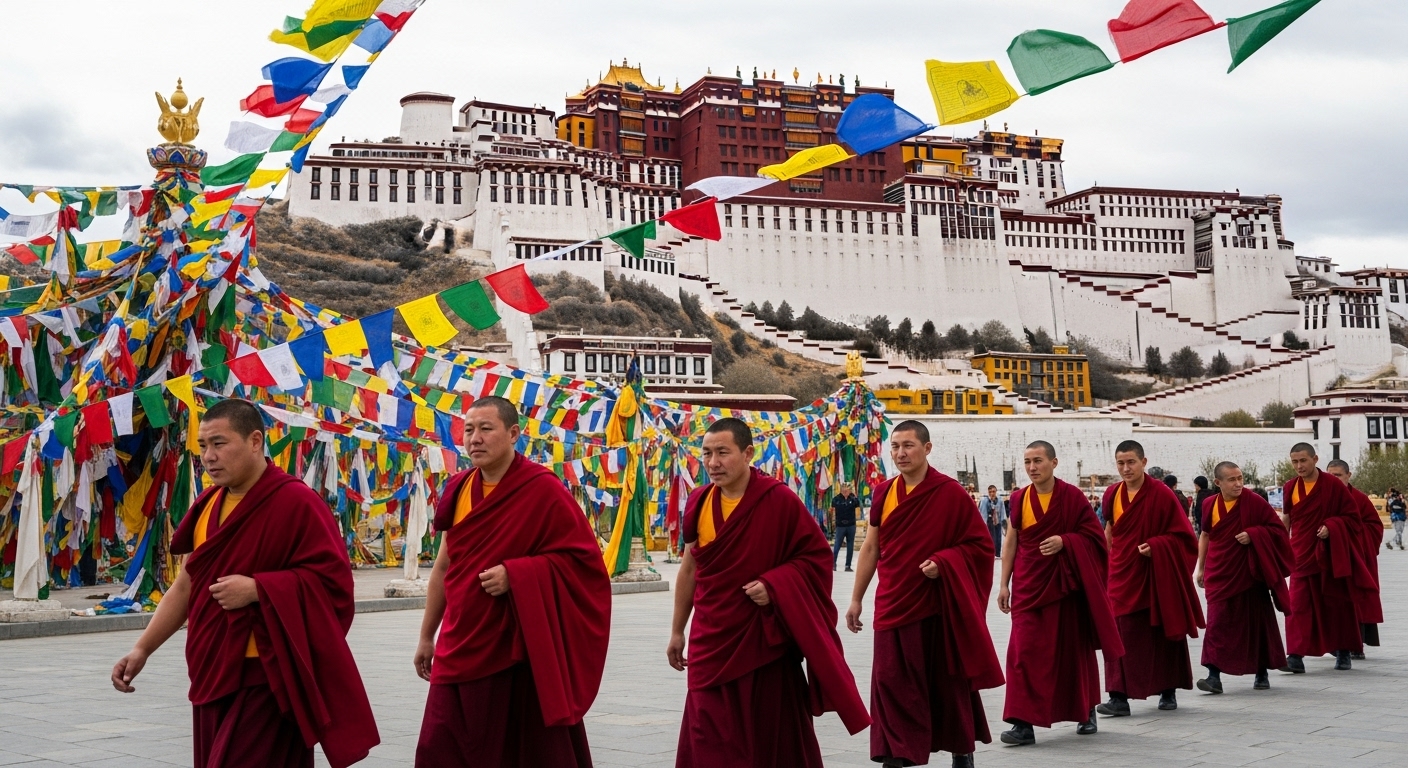
Lhasa carries deep spiritual weight at nearly the same elevation as La Paz. Jokhang Temple, Potala Palace, and bazaars hum with pilgrimage energy. Tibetans use prayer wheels and gentle chanting to harmonize with high-altitude life.
If visiting, include at least 72 hours of acclimatization. Use oxygen bars, drink butter tea, and walk slowly. This spiritual adjustment is a key note in a full guide to the world’s highest cities.
8. Addis Ababa, Ethiopia – 2,355 m and African Urban Peak
One of Africa’s highest capitals, Addis Ababa, is perched in the Ethiopian highlands. Markets, coffee ceremonies, and local cuisine burst with cultural flavor. Locals adjust quickly; tourists should take a day to adapt.
Spend time at Entoto Hills, or visit the Ethnological Museum, set in Haile Selassie’s palace. Addis shows why moderate high-altitude cities deserve a spot in a guide to the world’s highest cities—they combine altitude with cultural depth.
9. Health Tips for Visiting High Cities
Altitude sickness (AMS) affects many first-time high-altitude travelers. In cities above 2,500 m, it’s wise to move slowly—no sprinting, no alcohol, and drink plenty of water. Some doctors also recommend acetazolamide for prevention and coca tea in Andean regions.
Eat light carbs, avoid heavy meals, and take short walks, not long hikes. Also, bring sunglasses and sunscreen—solar radiation intensifies at altitude. These are not just survival tips—they form a responsible backbone to our guide to the world’s highest cities.
10. How to Travel Smart in High Cities
Book flexible flights in case of weather delays. Lower your baggage weight—extra gear is physically heavier above sea level. Pace your sightseeing itinerary to include acclimation days. Choose hotels with oxygen availability or have a pharmacy nearby.
Also consider guided city tours—they know altitudes and routes that limit strain. This planning element ensures your trip matches the expectations of our guide to the world’s highest cities, and goes beyond bucket-list chasing.
Why These High Cities Matter
High-altitude cities represent human innovation and adaptation. They’re testaments to cultural evolution—chiltepin markets in La Paz, Tibetan prayer rituals, Andean architecture. Each city reminds us of the creative ways people thrive in thin air. That’s the heart of this guide to the world’s highest cities.
These places combine natural splendor with human stories—how communities build, worship, govern, and evolve in thin air. Visiting them makes altitude part of the experience, not just a hurdle to overcome.
Our guide to the world’s highest cities stretches from the Andes to the Himalayas, revealing how altitude shapes urban life. From La Paz’s urban pulse to the spiritual calm of Lhasa, these capitals teach us about resilience, heritage, and adaptation. By traveling mindfully, you’ll not only witness beauty, but you’ll also take part in high-altitude living.
Catch up on the top stories and travel deals by subscribing to our newsletter!