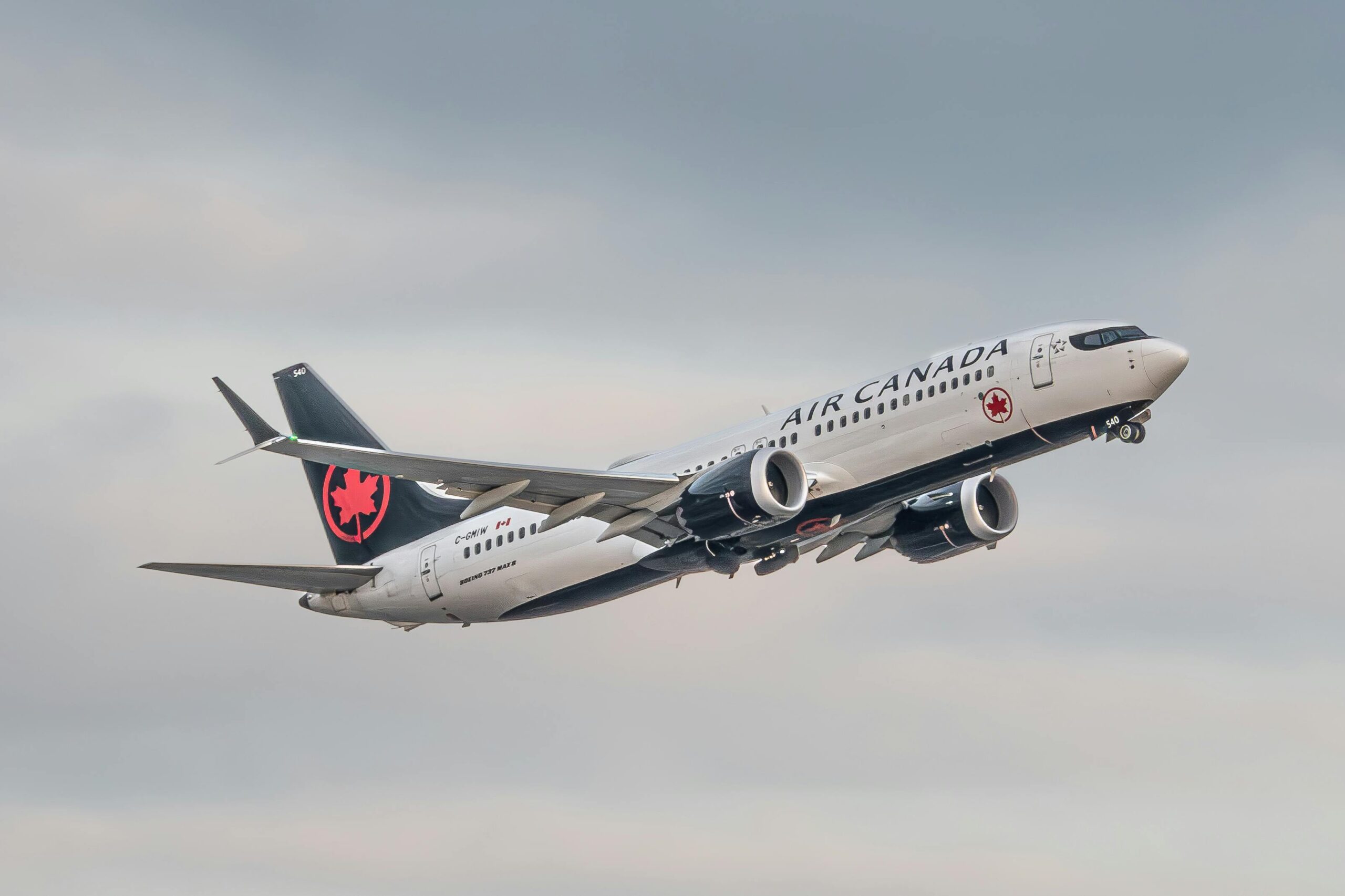
Today, Air Canada reshapes global winter travel through strategic long-haul expansion. As a result, Air Canada strengthens links between Canada, Europe, and Latin America. Notably, Air Canada places Quito and Barcelona at the core of its winter 2026 network. Therefore, travelers gain faster access to culture-rich and adventure-driven destinations.
Specifically, Air Canada introduces seasonal nonstop service to Quito from eastern Canada. Consequently, Air Canada connects Toronto and Montreal directly with Ecuador’s capital. Moreover, Air Canada removes reliance on congested US transit hubs. As a result, travelers reach the Andes with reduced travel fatigue and improved comfort.
At the same time, Ecuador prepares for stronger Canadian tourism demand. Accordingly, tourism operators expand hotels, eco-lodges, and guided adventure services. Furthermore, local planners enhance infrastructure near heritage and nature sites. Therefore, Ecuador strengthens its winter tourism economy through sustained Canadian arrivals.
In parallel, Air Canada converts Barcelona and Rome routes into year-round services. Consequently, Air Canada ensures consistent European access beyond peak summer seasons. Moreover, travelers enjoy flexible planning for cultural, culinary, and cruise-focused journeys. As a result, European cities attract visitors during traditionally slower winter months.
Beyond Europe, Air Canada expands winter capacity across Latin America and the Caribbean. Therefore, Air Canada increases frequencies and launches new leisure-focused routes. Additionally, secondary Canadian cities gain direct access to warm-weather destinations. As a result, travelers avoid hub congestion and enjoy smoother winter escapes.
Importantly, Air Canada deploys Boeing 787 aircraft with premium-focused cabins. Consequently, Air Canada attracts high-spending leisure travelers seeking elevated onboard experiences. Moreover, enhanced dining and connectivity improve long-haul satisfaction. Therefore, tourism partners benefit from visitors with stronger average spending.
Operationally, Air Canada optimizes Toronto and Montreal as international connection hubs. As a result, Air Canada aligns schedules for efficient same-day global connections. Furthermore, Canada strengthens its position within transatlantic and trans-equatorial travel flows. Consequently, Air Canada expands both passenger and cargo opportunities.
Economically, destination markets experience measurable tourism growth. Therefore, visitor spending supports jobs, infrastructure, and cultural preservation initiatives. In addition, Air Canada increases sustainable aviation fuel use on winter routes. As a result, destinations balance tourism growth with environmental responsibility.
Competitively, Air Canada challenges US and European carriers through direct routing. Accordingly, Air Canada delivers shorter travel times and stronger value. Moreover, Canadian travelers bypass crowded foreign hubs. Consequently, Air Canada secures loyalty within the premium leisure segment.
Overall, Air Canada ushers in a new winter tourism era. Therefore, Air Canada connects continents through efficient, premium-focused expansion. Moreover, travelers gain richer choices across climates and cultures. As a result, Air Canada confidently shapes global winter travel for 2026.
Related stories:
Catch up on the top stories and travel deals by subscribing to our newsletter!