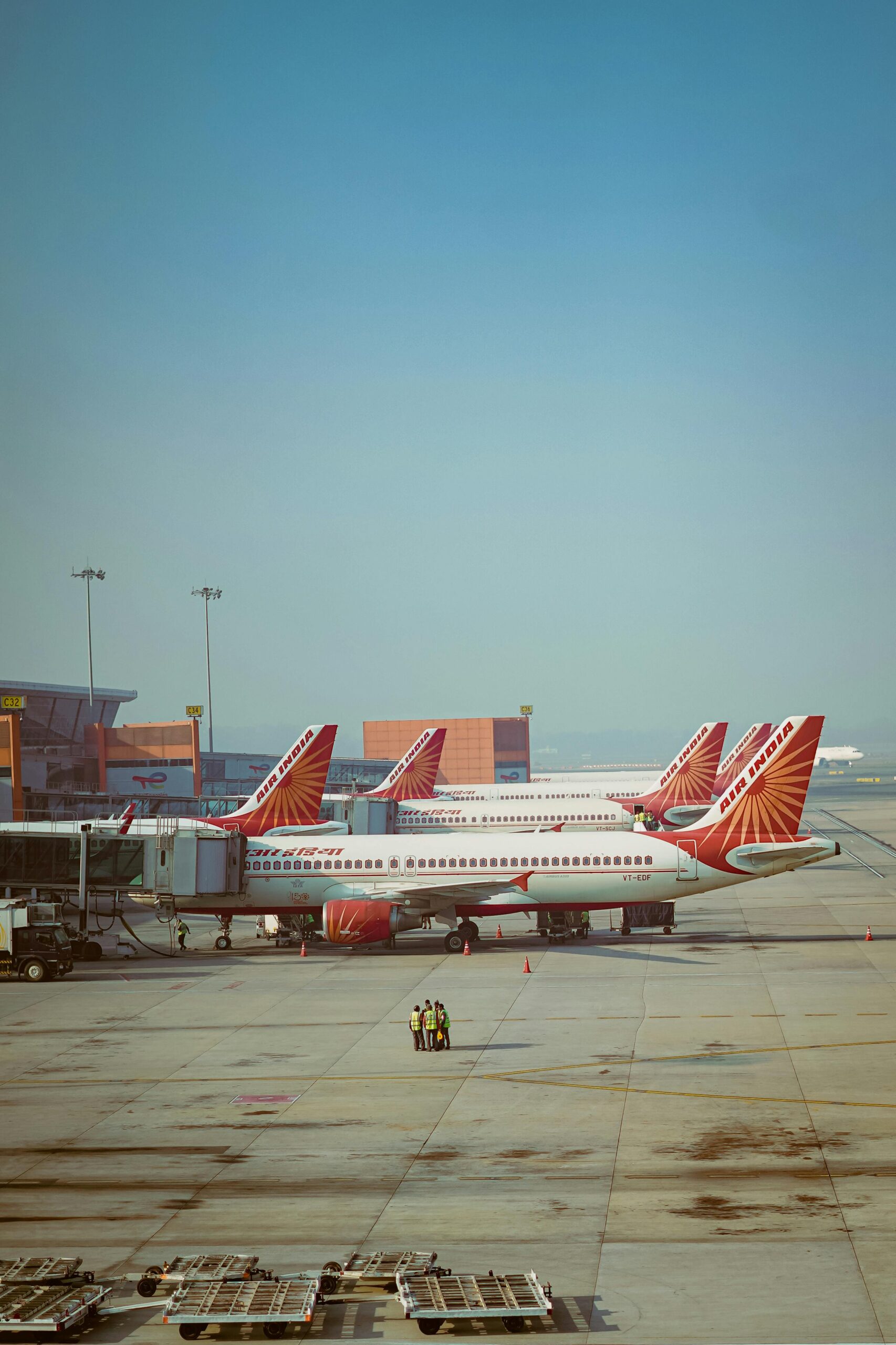
An Air India flight from Thiruvananthapuram to Delhi diverted to Chennai after a sudden technical issue combined with deteriorating weather. The aircraft, scheduled for a 7:15 pm departure, finally left at 8:17 pm. It aimed to land in Delhi at 10:45 pm but altered course mid-air for safety.
The journey between Thiruvananthapuram and Delhi normally takes about three and a half hours. However, during the flight, the crew detected a technical problem while facing unstable weather ahead. They quickly decided to reroute to Chennai, the nearest suitable airport. This decision minimized risks for passengers and ensured a secure landing.
Technical faults in aircraft systems can escalate during flight if not addressed. Therefore, crews use constant monitoring to detect anomalies early. When issues arise, pilots coordinate with ground teams to determine the safest alternative. In this case, Chennai offered a safer landing environment compared to storm-hit Delhi.
Weather also played a major role in the diversion. The southern region of India often faces sudden tropical shifts, especially during monsoon months. Such conditions can create hazardous flight paths, forcing pilots to change plans instantly. Thunderstorms and strong winds along the route added another layer of urgency to the decision.
After landing, Air India provided assistance to passengers, helping them arrange onward travel. The diversion caused delays, but the airline prioritized safety over schedule. Travelers with connecting flights faced disruptions, but the support from staff aimed to reduce inconvenience.
This incident highlights the need for flexibility in air travel. Technical checks and weather monitoring remain crucial for safe operations. With both factors playing a role, diversions like this become necessary to protect everyone on board.
Related stories:
Catch up on the top stories and travel deals by subscribing to our newsletter!