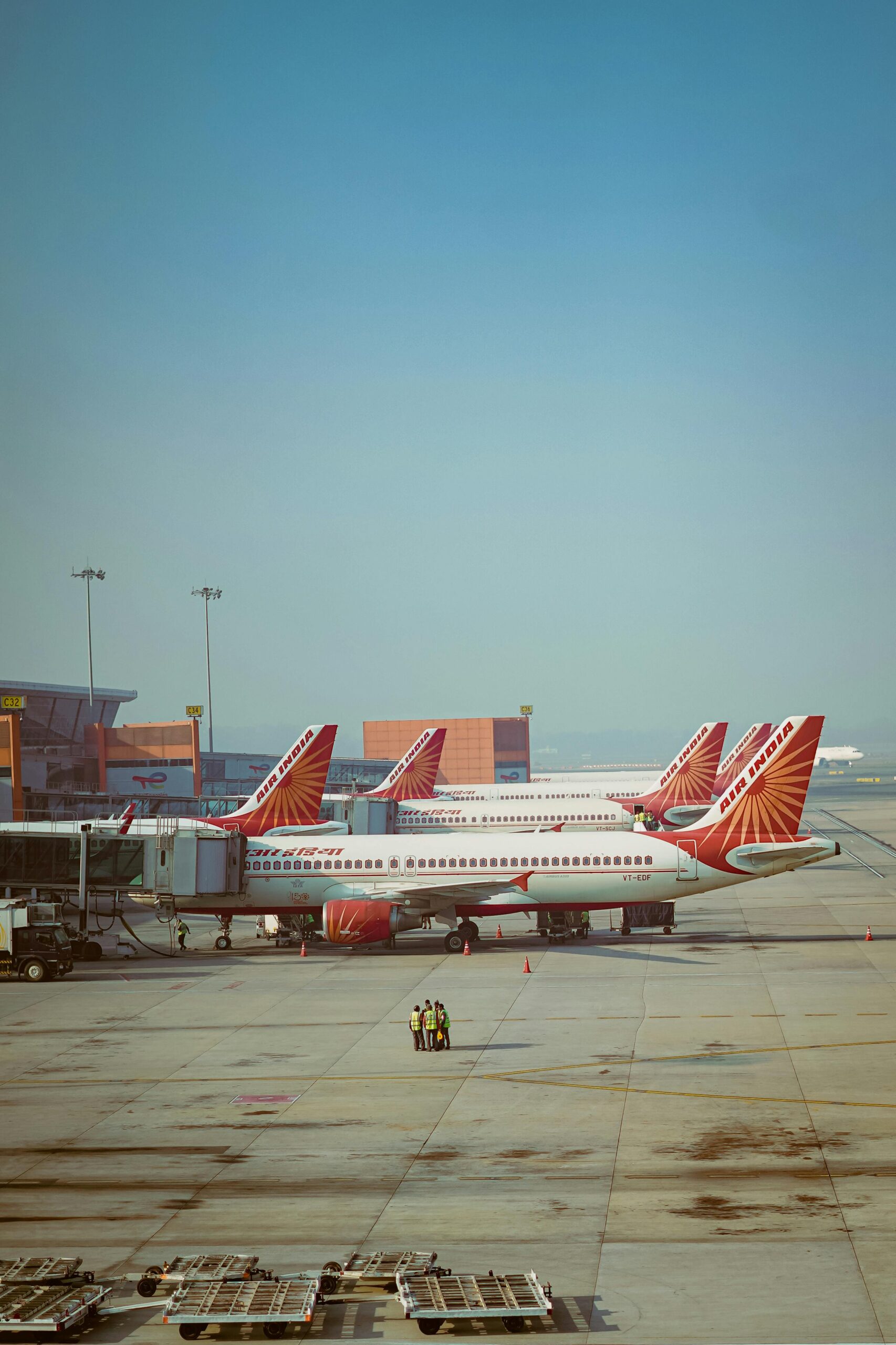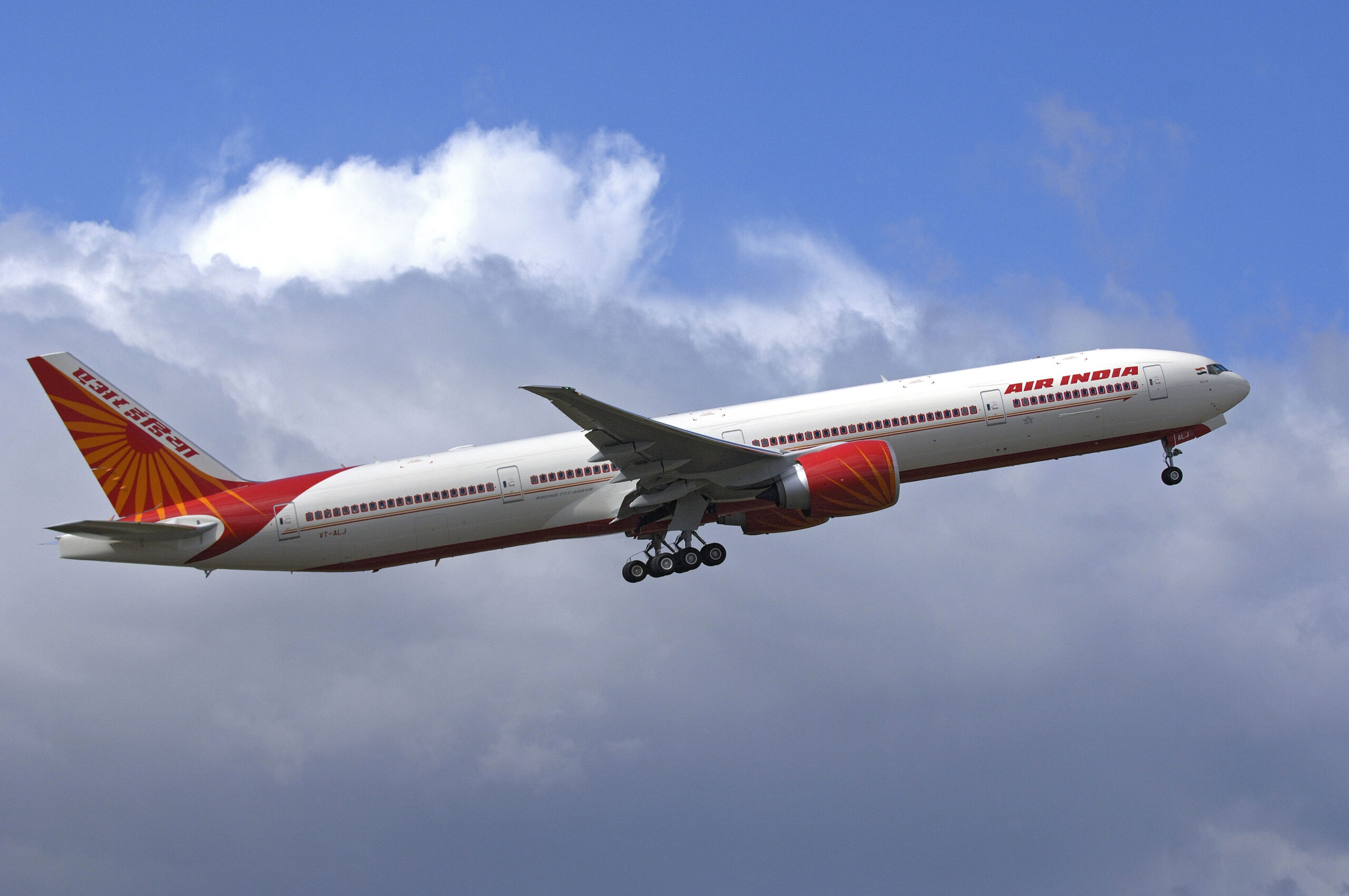
Air India begins reviving operations after the AI171 tragedy forced a sudden safety halt. Although the airline resumes some flights, many routes remain disrupted. Still, this cautious restart brings hope to global travelers. Moreover, the comeback highlights Air India’s commitment to passenger safety and connectivity.
After June’s tragic incident, Air India grounded part of its Boeing 787 fleet. As a result, thousands of passengers faced delays and cancellations. To rebuild trust, the airline initiated detailed inspections. Meanwhile, international demand kept rising, making the restart urgent yet delicate.
Furthermore, geopolitical tensions added to the airline’s challenges. Due to airspace restrictions over Pakistan and the Middle East, flights required longer paths. These changes increased fuel use and reduced efficiency. Nonetheless, Air India adjusted its operations to ensure reliable service.
From August 1, the airline will restore key routes across Europe and Asia. For example, Delhi-London and Delhi-Tokyo return to full frequency. Also, Zurich and Seoul flights resume gradually. At the same time, Air India shifts Ahmedabad’s service from Gatwick to Heathrow. Therefore, passengers may enjoy better connections, though some regions will need longer transfers.
Until October 1, several routes will still run on reduced schedules. However, Air India aims to operate over 500 weekly international flights during this transition. This volume reflects the airline’s growing momentum. Even though global aviation faces supply shortages, Air India remains focused on reliability.
In conclusion, each restored flight adds strength to the network. While uncertainty persists, Air India continues moving forward. As more routes reopen, the airline edges closer to full recovery and global reach.
Related stories:
Catch up on the top stories and travel deals by subscribing to our newsletter!