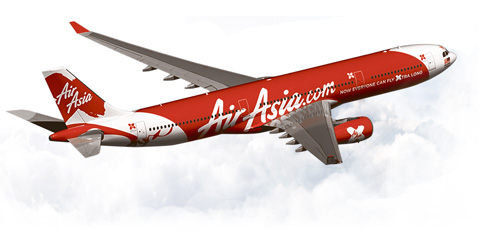
AirAsia X posted strong Q2 results despite seasonal travel challenges. The airline earned RM660.8 million in revenue, slightly lower than last quarter. However, net profit surged to RM35.22 million from RM4.82 million last year. Lower fuel costs and currency gains drove this growth.
Passenger traffic grew 6% year-on-year to 935,105 travelers. AirAsia X maintained an 83% load factor with 6% more seats. This strategy showed efficient route planning and smart capacity control during low-demand months. The airline capitalized on East Asia’s peak travel season, pushing load factors above 85% on core routes.
Average fares dropped to RM405 because of seasonal dips and Japan’s earthquake fears. However, the airline boosted revenue through strong ancillary sales. Non-ticket income climbed 10% year-on-year as per-passenger revenue hit RM257. Duty-free and merchandise sales fueled this growth and improved profitability.
Operational costs improved as cost per seat kilometer dropped 13% year-on-year to 12.05 sen. Fuel-free costs rose 9% due to network growth and higher maintenance needs. AirAsia X expanded capacity, with available seat kilometers rising 10% to 4,851 million.
AirAsia X Thailand faced weak demand after Bangkok’s earthquake, reducing passenger numbers by 12%. Despite a lower load factor of 78%, it earned RM10.58 million from currency gains. The fleet stayed steady with 19 A330 aircraft and smart adjustments to control costs.
AirAsia X enters the next quarter ready for peak travel demand. The airline focuses on growth, stronger revenue streams, and efficient operations across East Asia.
Related stories:
Catch up on the top stories and travel deals by subscribing to our newsletter!