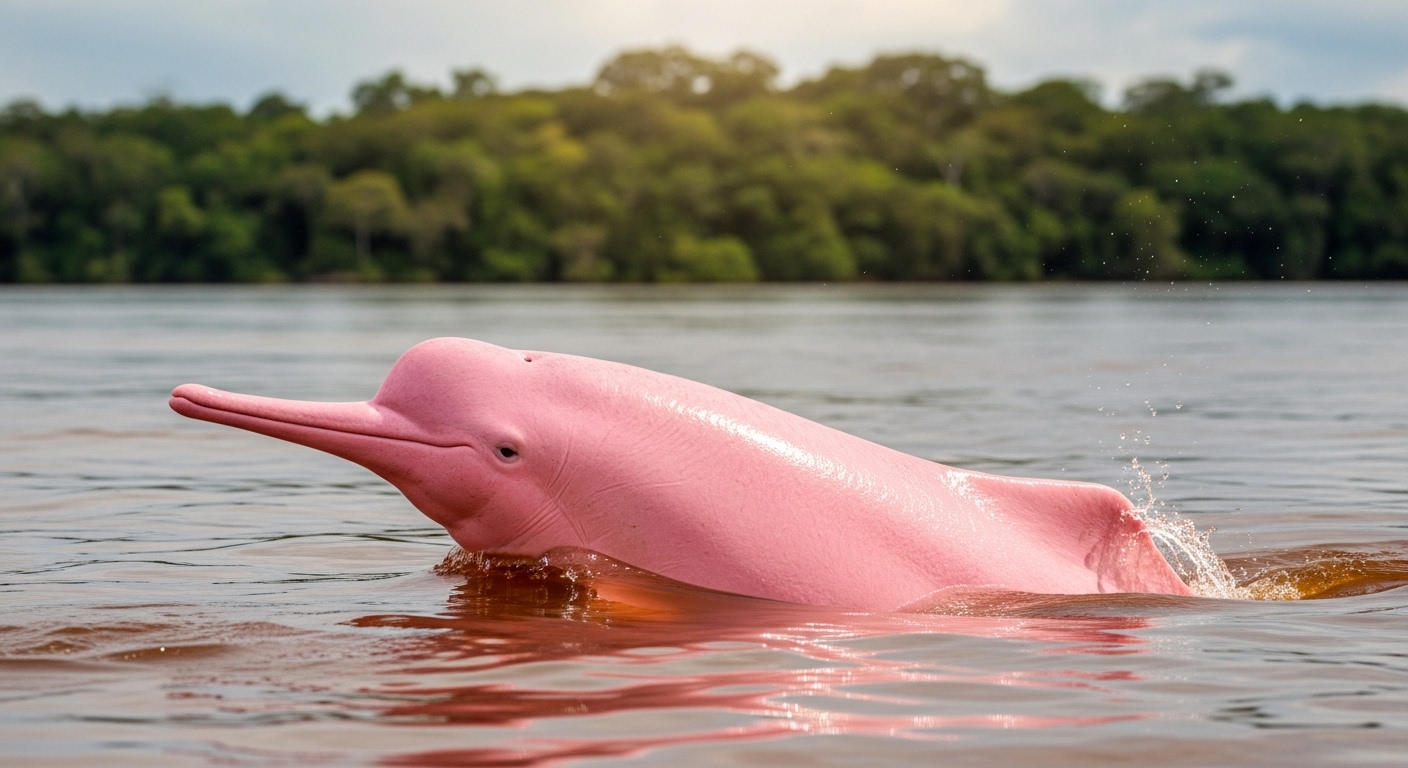
When most of us think about dolphins, we instantly picture deep blue oceans, crashing waves, and marine adventures. However, nature always finds a way to surprise us. In some of the most unexpected places on Earth, dolphins swim happily in freshwater rivers instead of salty seas. These rare and fascinating creatures challenge everything we think we know about marine life. Rivers where dolphins swim in freshwater are not only real, but they are also some of the most magical wildlife destinations on our planet.
From the misty Amazon Basin to the winding waterways of South Asia, freshwater dolphins thrive in environments shaped by centuries of natural evolution. Their existence feels almost unreal, like a secret hidden within nature itself. Have you ever imagined spotting a dolphin while standing on a riverbank instead of a beach? By the end of this blog, you might find yourself adding one of these rivers to your travel bucket list.
The Science Behind Freshwater Dolphins
Dolphins adapted to freshwater environments are genetically different from their ocean cousins. Although they share the same playful intelligence, freshwater dolphins have evolved special features that allow them to survive in murky river water. Their eyesight is often weaker because visibility in rivers is limited. Instead, they rely heavily on echolocation to navigate, hunt fish, and avoid obstacles.
Unlike marine dolphins that travel long distances across open seas, freshwater dolphins live within river systems. This makes their habitats much smaller and far more fragile. Even minor environmental changes like pollution, dam construction, or boat traffic can threaten their survival.
Why Dolphins Moved From Oceans to Rivers
Millions of years ago, some dolphin species migrated inland through ancient river systems connected to the ocean. Over time, rising land and shifting water paths trapped these dolphins in freshwater environments. Instead of returning to the sea, they adapted. Their bodies, senses, and hunting styles changed to suit river life.
This evolutionary shift created one of the most unique wildlife stories on Earth. Rivers where dolphins swim in freshwater are living proof of nature’s incredible ability to adapt and survive under changing conditions.
The Amazon River and the Pink River Dolphin
The Amazon River is the most famous home of freshwater dolphins. Here lives the legendary Amazon river dolphin, also known as the pink river dolphin or boto. These dolphins are famous for their soft pink color, which deepens with age, excitement, and physical activity.
The Amazon river dolphin can be found across Brazil, Peru, Colombia, and Bolivia. According to the World Wildlife Fund, the Amazon Basin contains the highest diversity of freshwater dolphins in the world. The warm waters, flooded forests, and endless fish supply make this river a perfect home.
Visitors traveling through the Amazon on river boats often witness these dolphins swimming alongside silently, occasionally rising to the surface with a gentle splash. Seeing a pink dolphin emerge from muddy brown water feels almost dreamlike.
The Ganges River and the Ganges River Dolphin
The Ganges River in India and Bangladesh is another legendary place where dolphins swim in freshwater. The Ganges river dolphin, locally known as the susu, is India’s national aquatic animal. Unlike ocean dolphins, it is nearly blind and depends completely on echolocation.
The Ganges dolphin swims through one of the most densely populated regions on Earth. Despite heavy boat traffic, pollution, and industrial waste, small populations still survive. Conservation groups like the National Geographic Society continue to raise awareness about their protection.
Spotting a dolphin in such a sacred and busy river reminds us how deeply wildlife and human civilization are connected.
The Indus River Dolphin of Pakistan
Pakistan is home to one of the rarest freshwater dolphins on Earth, the Indus river dolphin. Found only in the Indus River, this dolphin species is considered endangered. It also has very limited eyesight and relies on sound to survive.
Conservation efforts led by local wildlife departments and international organizations have helped stabilize its population in recent years. The Indus dolphin is a powerful symbol of Pakistan’s natural heritage, proving that rivers where dolphins swim in freshwater are not limited to the rainforests alone.
The Yangtze River and the Baiji Dolphin
The Yangtze River in China once hosted the famous Baiji dolphin. Sadly, this freshwater dolphin is now believed to be extinct due to pollution, overfishing, and heavy ship traffic. Its disappearance stands as one of the most tragic wildlife losses in modern history.
The story of the Baiji dolphin serves as a warning. Rivers where dolphins swim in freshwater are extremely sensitive ecosystems. Once damaged beyond a certain point, recovery becomes impossible.
Why Freshwater Dolphins Are So Rare
Freshwater dolphins exist only in a handful of rivers around the world. This rarity is due to how difficult river environments are to survive in. Unlike oceans, rivers change rapidly with seasons. Water levels rise, fall, flood forests, and then retreat. Fish populations shift constantly. Temperatures vary sharply.
These dolphins must be highly adaptable, intelligent, and resilient. Unfortunately, their limited habitats also make them very vulnerable. If one river system collapses, an entire species can disappear.
The Cultural Myths and Legends Around River Dolphins
In many cultures, freshwater dolphins are surrounded by myths. In the Amazon, local legends say that pink dolphins transform into humans at night and attend village festivals. In South Asia, river dolphins are seen as sacred guardians of water.
These mythical stories have helped protect dolphins in some regions because people avoid harming animals believed to be spiritually powerful.
Can Tourists See Freshwater Dolphins in the Wild
Yes, but seeing them requires patience. Unlike ocean dolphins that jump and show off near boats, freshwater dolphins are shy. They surface quietly for air and disappear within seconds.
Eco-tourism operators in Brazil, India, and Pakistan offer guided river safaris that focus on safe and respectful dolphin viewing. Ethical tourism plays a vital role in protecting dolphins by generating income for conservation.
The Role of Rivers in Dolphin Survival
Dolphins depend on healthy rivers. Clean water supports healthy fish populations. Flooded forests provide breeding grounds. Natural river flow allows dolphins to move freely and maintain genetic diversity.
When dams block rivers, dolphins lose migration routes. When industries dump waste, fish die. When boat traffic increases, dolphins suffer injuries. Rivers where dolphins swim in freshwater depend entirely on balanced ecosystems.
Climate Change and Freshwater Dolphins
Climate change adds another layer of danger. Rising temperatures, unpredictable floods, and extended droughts disrupt river cycles. Fish migrate differently. Water levels become unstable. Dolphins struggle to adapt to these rapid changes.
Protecting freshwater rivers today also means fighting climate change at a global level.
Why Freshwater Dolphins Matter to the Planet
Dolphins sit at the top of the freshwater food chain. Their health reflects the condition of the entire river ecosystem. If dolphins are thriving, the river is healthy. If dolphins are disappearing, serious pollution or ecological damage is already happening.
Saving dolphins also means saving fish species, birds, wetlands, forests, and drinking water for millions of people.
Best Rivers in the World to Witness Freshwater Dolphins
- The Amazon River in South America
- The Ganges River in India and Bangladesh
- The Indus River in Pakistan
- The Orinoco River in Venezuela
- The Madeira River in Brazil and Bolivia
Each of these rivers offers a different environment, culture, and wildlife experience.
Can Freshwater Dolphins Survive in Captivity
Unlike marine dolphins, freshwater dolphins rarely survive in captivity. Their complex echolocation, hunting techniques, and sensitivity to water quality make them extremely vulnerable in artificial environments. For this reason, conservation now focuses almost entirely on protecting them in the wild rather than capturing them.
What You Can Do to Help Protect Freshwater Dolphins
- Support eco-tourism instead of mass tourism
- Reduce plastic use to limit river pollution
- Share awareness about endangered dolphins
- Support wildlife conservation foundations
Rivers where dolphins swim in freshwater remind us that Earth still holds mysteries beyond our imagination. These silent swimmers living in muddy waters challenge our ideas of where dolphins belong. They also remind us how fragile natural ecosystems truly are.
If you ever get the chance to stand on a riverbank and watch a dolphin surface quietly beside flowing water, it will be a moment you will never forget. Would you choose an ocean safari or a freshwater dolphin encounter for your next adventure? Which river would you love to visit first? Tell us your thoughts and stay connected with WentWorld for more rare and unbelievable travel stories. Follow us on our social media platforms to keep exploring the hidden wonders of our world.
Catch up on the top stories and travel deals by subscribing to our newsletter!