
When most travelers think of exploring a destination, they picture bustling cities, lush landscapes, or pristine beaches. But have you ever considered traveling through regions with ancient irrigation systems? These places offer a unique window into human ingenuity, showing how civilizations managed scarce water resources to thrive in challenging environments. From desert valleys to mountain terraces, ancient irrigation networks not only supported agriculture but also shaped culture, economy, and society.
Visiting these regions is like walking through living history. You witness channels carved into rock centuries ago, aqueducts that still carry water, and terraced fields that climb steep mountainsides. It’s fascinating to think that the same water flowing through these ancient systems today has been sustaining life for hundreds, sometimes thousands, of years. Have you ever paused to consider how water management has influenced human history?
In this WentWorld.com guide, we’ll explore remarkable examples of ancient irrigation systems across the globe, delve into their historical significance, and provide tips for travelers wanting to experience these engineering marvels firsthand. By the end, you’ll see why these regions deserve a place on your bucket list.
Why Ancient Irrigation Systems Are Worth Visiting
Regions with ancient irrigation systems are more than agricultural landscapes—they are living museums. They demonstrate human creativity in adapting to local climates and terrains. Traveling through these regions allows you to connect with history, appreciate sustainable practices, and see how modern farming continues to rely on ancestral wisdom.
Take the awe-inspiring examples from civilizations like the Nabateans in the Middle East or the Incas in South America. Their irrigation systems were not merely functional; they were integrated with religion, urban planning, and societal structure. Observing these systems firsthand gives insight into how our ancestors solved some of the toughest environmental challenges.
Have you ever wondered how people survived and thrived in arid or mountainous regions long before modern technology? Exploring these ancient irrigation systems is your chance to find out.
The Nabatean Water Management Systems, Jordan
Petra, the Rose City, is famous for its rock-cut architecture and dramatic canyons. Yet hidden within the cliffs is an ancient water network that allowed the Nabateans to survive in one of the harshest deserts on Earth. Their system included dams, cisterns, and channels that captured and stored rainwater, providing a reliable supply even during droughts.
Walking through the Siq and witnessing these engineering feats is breathtaking. Visitors can see channels carved directly into sandstone, reservoirs hidden in rock crevices, and aqueducts that distributed water throughout the city. These structures demonstrate a deep understanding of hydrology and geology, combined with meticulous planning. Learning about this system transforms a simple visit into a lesson on resilience and innovation.
Tourists traveling to Petra often book guided tours through Jordan Tourism Board, which provide insights into these irrigation marvels alongside the city’s iconic monuments. Would you be able to imagine living in a city entirely dependent on such clever water management?

The Incan Terraces, Peru
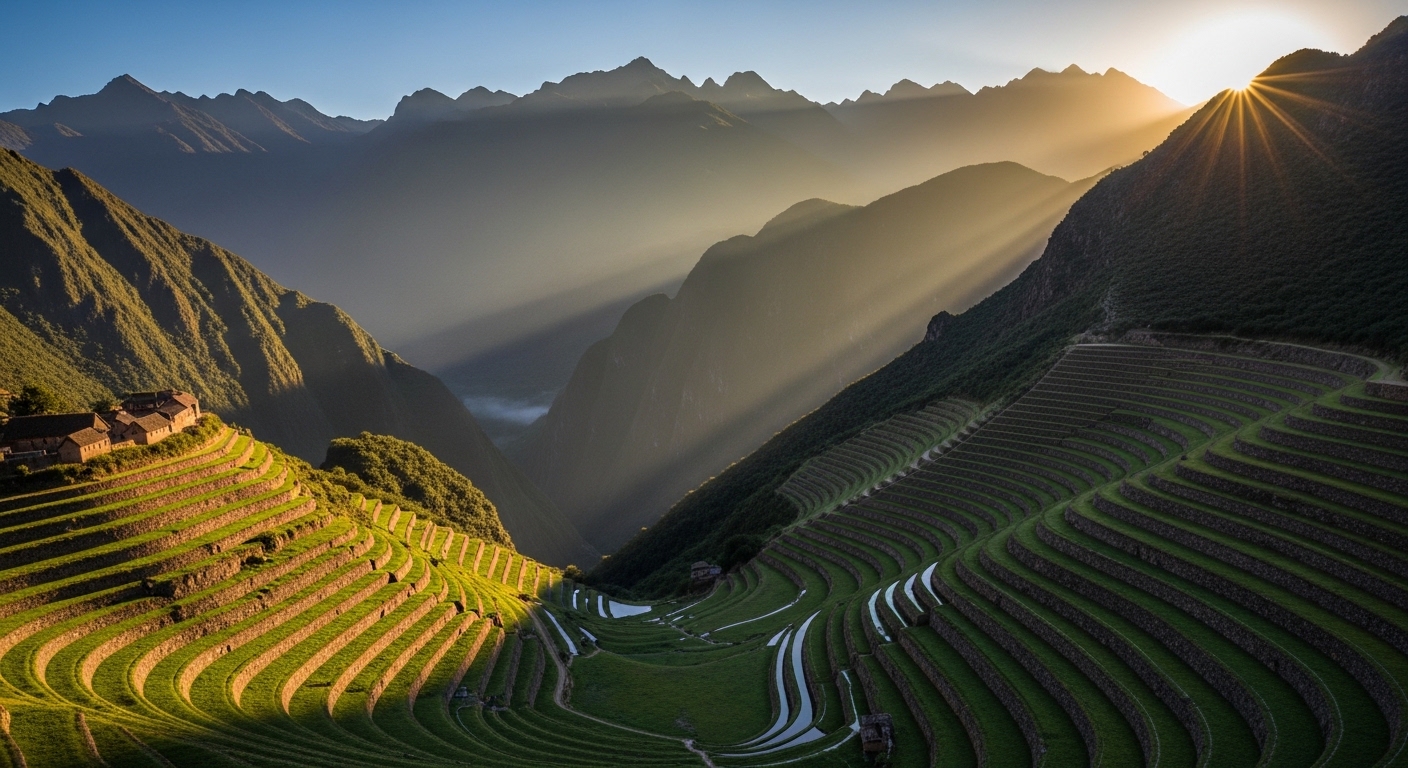
High in the Andes, the Incas constructed intricate terraces that doubled as irrigation systems. The terraced fields at Machu Picchu and the Sacred Valley are engineering masterpieces. Each terrace includes channels and aqueducts that regulate water flow, prevent erosion, and maximize arable land on steep slopes.
Traveling through these terraces, you can see the integration of architecture, agriculture, and nature. Water flows gracefully from one terrace to another, demonstrating sustainability and precision. The Incas understood the principles of gravity, soil conservation, and microclimates long before modern agricultural science emerged.
These terraces are not only practical but also aesthetically pleasing. Photographers and travelers alike marvel at the symmetry and beauty of the cascading fields against the backdrop of towering peaks. Resources like Peru.travel offer detailed guides for exploring these ancient systems. How would it feel to walk along terraces that have been sustaining communities for centuries?
Qanat Systems, Iran
The qanat, an underground water channel, is a centuries-old Persian invention designed to transport water from aquifers in the mountains to dry plains. These channels allowed civilizations to flourish in otherwise inhospitable regions, supporting villages, orchards, and entire communities. Traveling through areas like Yazd or Kerman offers glimpses into these subterranean networks and their crucial role in sustaining life.
Qanats consist of gently sloping tunnels that tap into underground water sources, with vertical shafts providing ventilation and access for maintenance. The system is not only functional but also environmentally friendly, relying entirely on gravity without any mechanical pumps. Visitors often find it fascinating how these engineering solutions align with sustainable practices even today.
Information on exploring these qanats is available through cultural institutions like Iran Tourism & Touring Organization. Imagine standing at the entrance of a tunnel where water has flowed uninterrupted for over a millennium.
Falaj Systems, Oman
In Oman, the falaj system is an ancient network of irrigation channels that brings water from mountains to villages and farms. Some of these channels are over a thousand years old and continue to operate, supporting both agriculture and community life. The UNESCO-listed aflaj represent a fusion of engineering skill, social organization, and local knowledge.
Travelers visiting Nizwa or Al Jabal Al Akhdar can witness these channels weaving through villages, carrying life-giving water across arid landscapes. Falaj systems rely on community management, where water distribution is regulated by local rules, reflecting a deep connection between people and their environment. How remarkable is it that ancient engineering can still sustain modern life?

Importance of Preserving Ancient Irrigation Systems
Exploring ancient irrigation systems is not just about awe-inspiring scenery; it’s about recognizing their cultural and historical significance. These systems show us how humans adapted to environmental challenges with intelligence and creativity. Preservation efforts ensure that these marvels are not lost to neglect or modern development.
Organizations like UNESCO play a critical role in protecting heritage sites, including ancient irrigation systems, ensuring they remain intact for future generations. By traveling responsibly, you can contribute to this preservation while gaining unique insights into human ingenuity.
Planning Your Journey
If you’re considering traveling through regions with ancient irrigation systems, plan carefully. Consider the best seasons, local guides, and responsible travel practices. Many of these sites are sensitive and can be affected by tourism if not managed well. Observing quietly, respecting local customs, and learning from guides will make your journey more rewarding.
These trips offer both educational value and memorable experiences. Whether it’s the flowing canals of a qanat, the terraces of the Andes, or the falaj of Oman, you’ll return with a renewed appreciation for the ingenuity of our ancestors and the importance of water in shaping civilizations.
Have you ever explored regions where ancient water management systems shaped entire communities? What lessons did you take from your experience? Share your thoughts and stories with us—we’d love to hear from fellow explorers!
If you want to stay inspired and discover more extraordinary destinations, follow WentWorld.com on our social media platforms for stories that reveal the hidden wonders of our world.
Catch up on the top stories and travel deals by subscribing to our newsletter!









Leave a Reply
You must be logged in to post a comment.