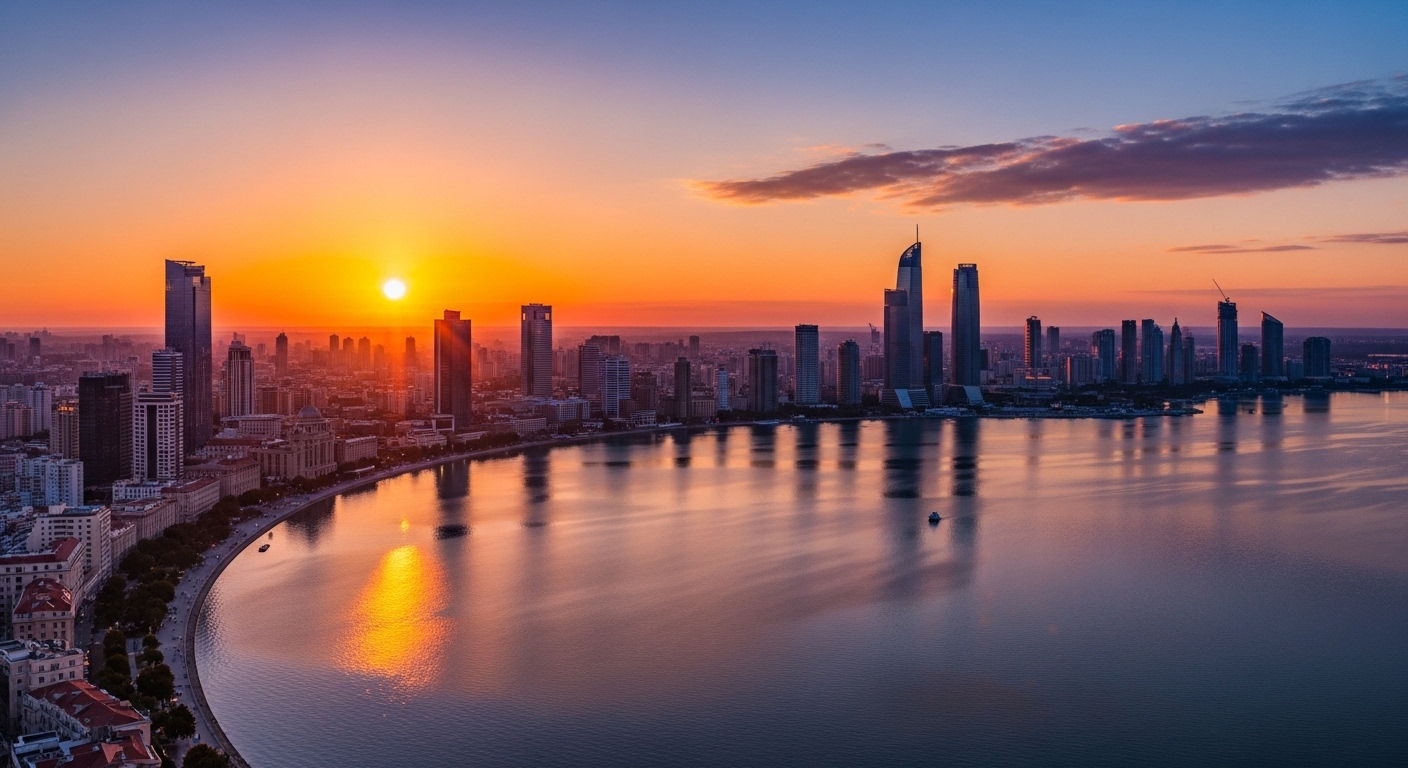
Cities built around inland seas have always carried a quiet sense of wonder. From ancient trade routes to modern waterfront skylines, these cities exist in a rare balance between land and vast bodies of enclosed water. Unlike coastal cities shaped by tides and oceans, inland-sea cities feel calmer, more reflective, and deeply rooted in geography and history. The water is not just scenery here; it is the reason these cities exist, grow, and thrive.
Have you ever noticed how cities change when water becomes their center rather than their edge? Streets align differently, cultures evolve uniquely, and daily life flows at a distinct pace. In cities built around inland seas, the water becomes a shared identity rather than a boundary. This is what makes these destinations so compelling to travelers who crave depth, beauty, and stories woven into the landscape.
Why Inland Seas Shape Cities So Differently
An inland sea is not simply a large lake. It behaves like a world of its own, influencing climate, trade, food systems, and even architecture. Because inland seas are enclosed, cities that surround them often develop strong regional connections rather than outward-facing ports. Over time, this creates a sense of unity among neighboring cities and towns.
For centuries, inland seas served as natural highways. Boats carried salt, grain, textiles, and ideas across the water long before modern roads existed. As a result, many cities built around inland seas became cultural crossroads. Even today, remnants of these ancient connections remain visible in shared cuisines, architectural styles, and festivals.
Moreover, inland seas tend to soften weather extremes. Summers feel cooler near the water, while winters are often less harsh. This gentle climate has allowed cities to expand comfortably along the shoreline, creating promenades, harbors, and public spaces that feel naturally integrated into daily life.
The Caspian Sea: A Giant Inland World
The Caspian Sea is the largest inland body of water on Earth, and the cities surrounding it feel almost mythical in scale and history. Baku, Azerbaijan’s capital, rises dramatically from the western shore, blending ancient walls with futuristic architecture. Oil wealth, Silk Road history, and maritime culture coexist here in ways that feel uniquely Caspian.
Across the water, cities in Kazakhstan, Turkmenistan, Iran, and Russia share similar maritime traditions despite national differences. Fishing villages sit beside modern ports, while long promenades invite locals to gather at sunset. The Caspian Sea does not divide these cities; instead, it quietly connects them.
What makes the Caspian especially fascinating is how it defies easy categorization. Is it a sea or a lake? The answer shifts depending on who you ask, and that ambiguity mirrors the identity of the cities around it. They exist between worlds, shaped by both continental and maritime influences.
Lake Victoria and the Rise of East African Cities
Lake Victoria is another powerful example of how cities built around inland seas develop distinct rhythms. Shared by Kenya, Uganda, and Tanzania, this vast lake supports millions of people. Cities like Kisumu, Entebbe, and Mwanza rely on the lake for transportation, fishing, and trade.
Here, the shoreline is alive with motion. Fishermen head out before dawn, markets buzz with fresh catches by morning, and ferries connect distant towns by afternoon. The lake is not a backdrop; it is an active participant in everyday life.
At the same time, Lake Victoria shapes cultural identity. Music, food, and storytelling across the region reflect the lake’s presence. Travelers often describe a feeling of openness and warmth in these cities, a quality that seems to flow directly from the water itself.
The Great Lakes: Inland Seas of North America
The North American Great Lakes form one of the most iconic networks of cities built around inland seas. Lakes Superior, Michigan, Huron, Erie, and Ontario collectively hold about one-fifth of the world’s fresh surface water. Cities such as Chicago, Toronto, Cleveland, and Milwaukee owe much of their growth to these immense waters.
Chicago’s skyline rises directly from Lake Michigan, creating a visual drama usually associated with oceanfront cities. However, the lake’s calmer nature allows for extensive public access. Beaches, bike trails, and parks stretch for miles, making the water a shared urban space rather than a restricted zone.
What sets Great Lakes cities apart is their industrial legacy combined with modern reinvention. Former shipping routes now host leisure cruises, and old warehouses have become cultural centers. The inland sea remains central, but its role evolves with each generation.
The Aral Sea: A Lesson in Fragility
Not all stories of cities built around inland seas are uplifting. The Aral Sea, once one of the world’s largest inland bodies of water, has largely disappeared due to environmental mismanagement. Cities that once thrived along its shores now sit miles away from the receding waterline.

This transformation serves as a sobering reminder of how deeply connected cities are to their inland seas. When the water vanishes, livelihoods, ecosystems, and cultural identity suffer. Today, efforts are underway to partially restore the northern Aral Sea, offering hope that some of these cities may regain their connection to the water.
For travelers, visiting former Aral Sea cities provides a powerful perspective on sustainability. It raises an important question: how can modern inland-sea cities protect their most vital resource while continuing to grow?
Life, Culture, and Daily Rhythms Near Inland Seas
One of the most striking features of cities built around inland seas is how deeply water shapes daily routines. Morning walks along the shore, evening ferry rides, and weekend markets by the harbor become part of ordinary life. Over time, this creates a sense of collective ownership of the water.
Food culture also reflects proximity to inland seas. Fresh fish, unique preservation techniques, and regional spices define local cuisines. In many cities, recipes passed down through generations tell stories of seasonal fishing cycles and historic trade routes.
Festivals often center on the water as well. Boat parades, shoreline celebrations, and rituals honoring the sea reinforce the bond between city and water. These events are not staged for tourists alone; they are expressions of genuine cultural connection.
Modern Urban Planning Around Inland Seas
As cities expand, urban planners increasingly recognize the value of protecting and integrating inland seas into development. Waterfront revitalization projects focus on accessibility, environmental preservation, and public enjoyment rather than private exclusivity.
Cities like Toronto have transformed former industrial waterfronts into vibrant mixed-use districts. Pedestrian paths, green spaces, and cultural venues now line the shore, inviting residents to reconnect with the water daily.
This approach highlights a broader trend: successful cities built around inland seas treat the water as a shared asset. They prioritize sustainability, ensuring that future generations can experience the same sense of connection.
Why Travelers Are Drawn to Inland-Sea Cities
Travelers increasingly seek destinations that feel authentic and grounded. Cities built around inland seas offer this authenticity without the intensity of crowded coastal resorts. The pace is often slower, the experiences more intimate, and the stories richer.
Visitors can explore historic ports, enjoy scenic boat rides, and engage with local communities in meaningful ways. Because inland seas often connect multiple countries or regions, a single trip can reveal diverse perspectives shaped by the same body of water.
Have you ever stood by a vast lake and felt like you were beside an ocean, yet sensed something calmer and more personal? That feeling is what draws people back to these cities again and again.
The Future of Cities Built Around Inland Seas
The future of cities built around inland seas depends on balance. Climate change, pollution, and overdevelopment pose real risks. However, growing awareness and international cooperation offer hope.
Many cities are investing in cleaner transportation, shoreline restoration, and water-quality monitoring. These efforts recognize that the health of the inland sea directly determines the city’s future.

As travelers, residents, and policymakers, we all play a role in shaping that future. The question is not whether inland-sea cities will survive, but how thoughtfully they will evolve.
Cities built around inland seas remind us that water does more than shape landscapes; it shapes lives. These cities offer lessons in resilience, connection, and coexistence with nature. They invite us to slow down, observe, and appreciate how geography influences culture in profound ways.
Which inland-sea city fascinates you the most? Have you visited one, or is there a destination on your travel wish list? Share your thoughts with us, and let’s keep the conversation flowing.
If you enjoy discovering rare and remarkable destinations like this, follow WentWorld on social media for more stories that go beyond the ordinary and into the heart of how places truly live.
Focus Keyphrase: Cities built around inland seas
Catch up on the top stories and travel deals by subscribing to our newsletter!