Cities With Rain Shelters Designed as Art reveal a thoughtful side of urban life that many travelers overlook. In these places, rain does not interrupt movement or dampen moods. Instead, it invites people to pause beneath structures that feel more like sculptures than shelters. These cities transform an everyday necessity into a moment of visual surprise and cultural expression.
Most travelers rush past rain shelters without a second glance. Yet in certain cities, designers and planners chose to treat them as opportunities rather than afterthoughts. Cities With Rain Shelters Designed as Art turn sidewalks, tram stops, and public squares into open-air galleries where function and creativity share equal importance.
Have you ever stopped during a rain shower and admired the structure protecting you? In some places, that pause becomes part of the journey itself.
Why Rain Shelters Matter More Than We Think
Rain shelters exist at the intersection of public space and daily life. People gather under them while waiting for buses, watching storms pass, or catching their breath between errands. Because of this constant use, shelters influence how a city feels more than many larger landmarks.
Cities With Rain Shelters Designed as Art recognize this impact. Instead of standard metal frames and plastic roofs, these cities invest in materials, shapes, and stories. The result is infrastructure that quietly improves mood and encourages people to linger rather than rush.
Well-designed shelters also improve accessibility. Clear sightlines, comfortable spacing, and thoughtful placement help people of all ages move through the city more easily, even during heavy rain.
Artistic Shelters as Reflections of Local Identity
Rain shelter design often reflects local culture. Some cities use patterns inspired by traditional crafts, while others embrace modern minimalism or bold experimental forms. These structures become small ambassadors of identity, visible to residents and visitors alike.
Cities With Rain Shelters Designed as Art use public infrastructure to tell stories. A shelter might reference maritime history near a harbor, echo mountain forms in alpine towns, or reflect technological innovation in modern business districts.
When art appears in everyday spaces, it changes how people relate to their surroundings. Do you think cities feel more welcoming when creativity shows up in unexpected places?
Japanese Cities and the Beauty of Thoughtful Design
Japan offers some of the most refined examples of artistic rain shelters. In cities like Kanazawa and Tokyo, shelters often combine clean lines with subtle materials such as wood, glass, and steel.
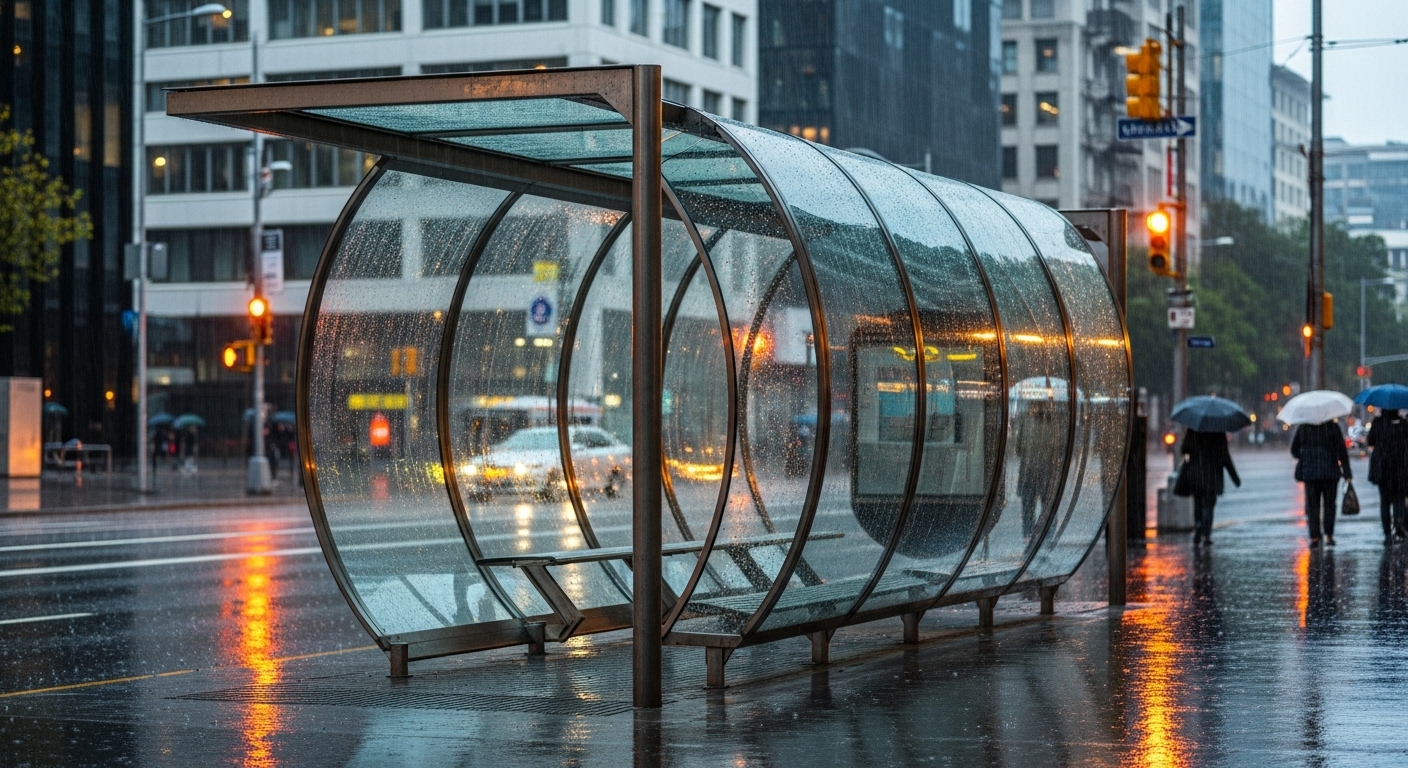
Rather than shouting for attention, these designs blend seamlessly into their surroundings. Transparency allows natural light to filter through, while curved roofs guide rainwater away efficiently. Urban design principles highlighted by organizations like Japan National Tourism Organization emphasize harmony between form and function.
Cities With Rain Shelters Designed as Art in Japan often focus on user experience. Seating feels intentional, proportions feel human, and even the sound of rain hitting the roof becomes part of the atmosphere.
European Cities Turning Transit Stops Into Galleries
Across Europe, several cities treat rain shelters as extensions of public art programs. Bus and tram stops often feature murals, sculptural roofs, and experimental materials.
In cities like Vienna and Barcelona, shelters sometimes result from collaborations between artists and architects. These projects transform waiting areas into points of curiosity. Cultural planning initiatives supported by European cultural programs often encourage this integration of art into daily infrastructure.
Cities With Rain Shelters Designed as Art demonstrate how even brief moments, such as waiting for transport, can become engaging rather than mundane.

Creative Shelters in Rain-Heavy Cities
Some of the most inventive rain shelters appear in cities where rainfall shapes daily routines. Places like Seattle, Vancouver, and Singapore understand that shelter design directly affects how people experience public space.
Instead of hiding shelters behind advertisements, designers highlight them. Green roofs, curved canopies, and artistic lighting make these structures feel inviting. Urban sustainability discussions from sources like ArchDaily often showcase such projects as examples of people-centered design.
Cities With Rain Shelters Designed as Art acknowledge climate realities while celebrating creativity.
How These Shelters Change the Pace of a City
Artistic rain shelters influence behavior. When a space feels pleasant, people slow down. Conversations happen. Observation replaces impatience.
Cities With Rain Shelters Designed as Art subtly encourage mindfulness. Waiting becomes an experience rather than an inconvenience. This shift may seem small, yet it shapes the emotional rhythm of urban life.
Have you noticed how design affects your mood when moving through a city during bad weather?
Materials That Balance Durability and Beauty
Designing shelters that function as art requires careful material choices. Structures must withstand weather while maintaining visual appeal. Glass, treated wood, concrete, and metal often appear in creative combinations.
Cities With Rain Shelters Designed as Art invest in durability to ensure that beauty lasts beyond initial installation. Maintenance plans play a crucial role, as neglected art loses impact quickly.
Long-lasting materials also support sustainability by reducing frequent replacements.
Community Involvement and Public Feedback
Some cities involve residents in shelter design decisions. Public voting, artist competitions, and community workshops help ensure designs resonate locally.
Cities With Rain Shelters Designed as Art benefit from this participation. When people feel ownership over public spaces, respect and care follow naturally.
Would you feel more connected to your city if everyday structures reflected local voices?

Rain Shelters as Landmarks Without Grand Scale
Unlike monumental architecture, rain shelters remain modest in size. Their power lies in repetition and accessibility rather than scale.
Cities With Rain Shelters Designed as Art scatter creativity throughout neighborhoods instead of concentrating it in tourist zones. This approach democratizes beauty and ensures everyone benefits, not just visitors.
Over time, these shelters become familiar reference points, woven into daily routines and personal memories.
Traveling With a New Eye for Small Design Details
Once travelers notice artistic rain shelters, cities reveal themselves differently. Side streets become interesting. Transit stops feel intentional.
Cities With Rain Shelters Designed as Art reward curiosity. They encourage travelers to look down, look around, and appreciate design choices that usually escape attention.
This shift in perspective often leads to a deeper appreciation of urban culture.
Cities With Rain Shelters Designed as Art remind us that good design does not always announce itself loudly. Sometimes it waits quietly, offering protection while adding beauty to ordinary moments.
As cities grow and climate challenges increase, thoughtful shelter design will matter even more. These artistic structures show how creativity and practicality can coexist gracefully.
If you have encountered a rain shelter that surprised you, we would love to hear about it. Share your thoughts and experiences with us.
For more stories that explore hidden design, urban creativity, and meaningful travel experiences, follow WentWorld on social media and stay inspired.
Catch up on the top stories and travel deals by subscribing to our newsletter!