Best Places to Learn an Ancient Skill or Craft
Have you ever wished you could throw a pot like a traditional artisan, weave fabric on a centuries-old loom, or forge metal into something beautiful and useful? In a world where technology dominates our days, there’s something deeply grounding about learning an ancient craft. These timeless skills connect us not only to history but also to ourselves. Whether it’s Japanese pottery, Moroccan weaving, or Italian glassmaking, the world is filled with opportunities to get your hands dirty — and your heart full.
In this guide, we’ll take you on a journey to the best places to learn an ancient skill or craft. It’s not just about making something — it’s about discovering cultures, stories, and traditions that have been kept alive for centuries. Ready to trade your keyboard for a hammer, or your phone for a paintbrush? Let’s begin.
Why Ancient Skills Still Matter Today
Before we dive into locations, let’s pause for a thought — why should anyone in the 21st century care about old crafts? Isn’t everything available online or in stores? Sure, but ancient crafts offer something far deeper than convenience. They teach patience, focus, and respect for materials. They remind us that beauty takes time and that tradition can live on through our own hands.
Every woven rug, carved bowl, or painted tile carries generations of wisdom. When you learn one of these crafts, you’re not just acquiring a skill — you’re becoming part of a living story. Isn’t that something worth experiencing?
1. Japan – The Art of Pottery and Calligraphy
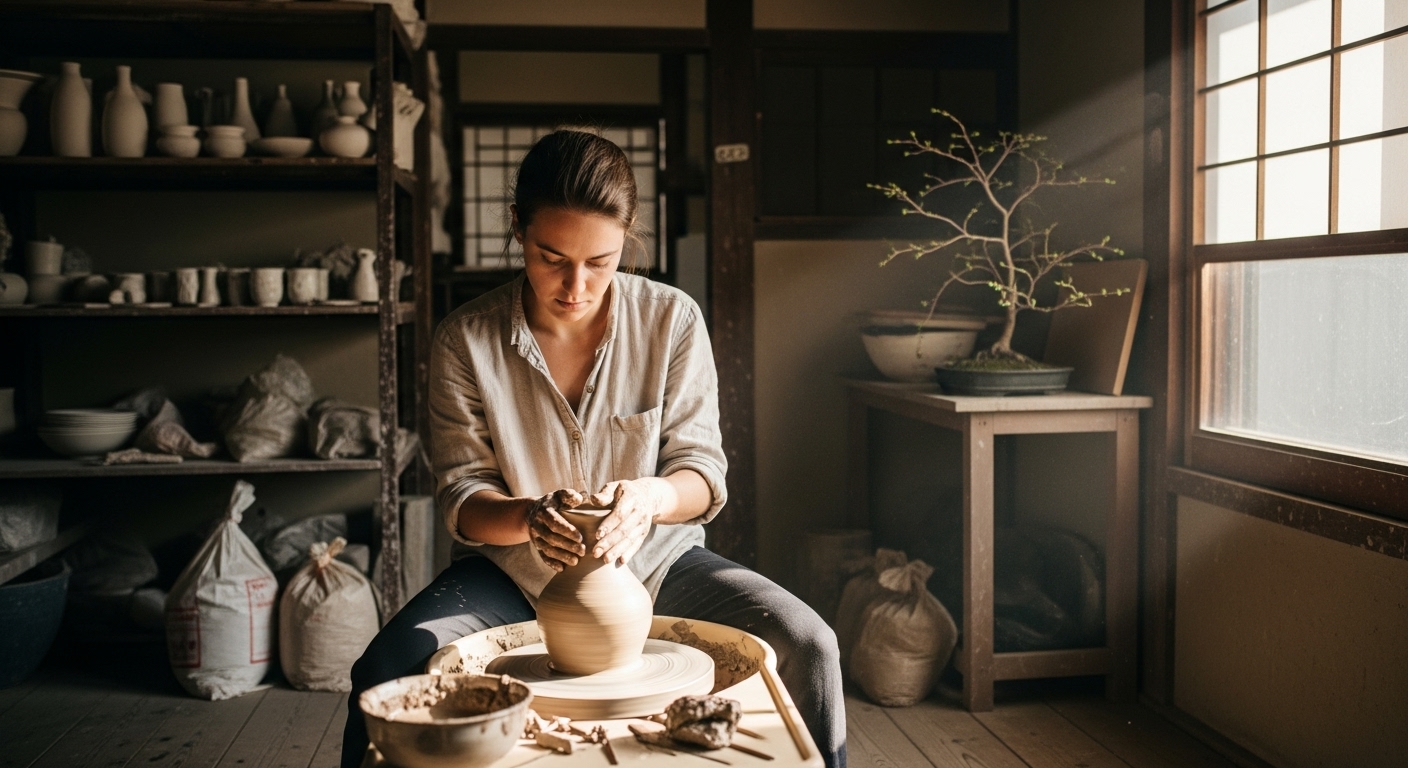
Japan’s culture of precision and mindfulness shines through its ancient crafts. In towns like Mashiko or Arita, you can learn yakimono — Japanese pottery — from masters who have been perfecting their art for generations. The rhythm of the potter’s wheel and the meditative focus required make it more than just an art; it’s therapy.
While you’re there, don’t miss the chance to learn Japanese calligraphy (shodo). With a single brushstroke, you’ll feel the harmony between mind and movement — an art form that has inspired Zen philosophy for centuries.

2. Morocco – Weaving and Tile Making
Step into the colorful souks of Fez or Marrakesh, and you’ll hear the clatter of looms and the chisel on tile. Moroccan artisans have been hand-weaving rugs and creating zellige tiles for over a thousand years. Many workshops now open their doors to visitors who want to learn the basics.
Picture yourself dyeing wool with natural pigments or shaping geometric tiles from raw clay. These crafts are more than souvenirs — they’re lessons in patience, precision, and beauty passed down through generations. Truly one of the best places to learn an ancient skill or craft for hands-on learners.
3. Italy – Glassblowing in Murano
Venice is romantic enough, but a short boat ride to Murano reveals a world of fire and glass. For centuries, artisans here have turned molten glass into chandeliers, vases, and jewelry so intricate it almost looks alive. Visitors can now join short or long-term classes to try their hand at this fiery art form.
Working beside master glassblowers is exhilarating — every movement matters, and the glow of the furnace feels like stepping back into history. You’ll leave not just with a souvenir, but with the satisfaction of creating something timeless with your own hands.

4. India – Block Printing and Pottery
In Rajasthan, ancient art is not hidden in museums — it lives in everyday life. The villages of Bagru and Sanganer are famous for block printing, a textile art that uses hand-carved wooden blocks to stamp colorful patterns on fabric. You can join local artisans to learn this meticulous technique and even create your own scarf or tablecloth.
Pottery lovers should head to Khurja or Jaipur, where traditional clay crafts are still made using ancient kilns. The earthy texture of clay, the smell of dye, the rhythm of stamping — everything about this experience immerses you in India’s artistic heartbeat.
5. Peru – Andean Weaving
High in the Andes, indigenous women weave vibrant textiles on backstrap looms, just as their ancestors did centuries ago. The town of Chinchero near Cusco offers workshops where you can learn to spin alpaca wool, dye it with natural colors, and weave intricate designs inspired by the Inca civilization.
This isn’t just about art — it’s about preserving heritage. By learning from these weavers, you’re helping to sustain local communities and keep their traditions alive. And honestly, few experiences compare to weaving a piece of living history in the shadow of the Andes.
6. Turkey – Carpet Weaving and Ebru (Paper Marbling)
Turkey’s reputation for carpets is legendary — and for good reason. In Cappadocia and Istanbul, local women’s cooperatives teach traditional hand-knotting techniques that have been used for centuries. The process requires precision and patience but results in stunning works of art that tell stories through color and pattern.
While in Turkey, explore Ebru — the mesmerizing art of paper marbling. Watching colors float on water and then transfer onto paper feels almost magical. You’ll walk away with your own one-of-a-kind piece — and a deep respect for this ancient craft.
7. Greece – Pottery and Mosaic Making
In ancient Greece, pottery wasn’t just functional; it was storytelling. Today, Athens and Crete host workshops where you can create your own amphora or mosaic inspired by classical designs. As you paint or tile, you’ll understand how art once shaped identity and mythology in this cradle of civilization.
Working with clay under the Mediterranean sun feels almost spiritual — it’s like conversing with history through your fingertips. And when you finish your first handmade vase, you’ll realize why Greece remains one of the best places to learn an ancient skill or craft.
8. China – Calligraphy and Paper Cutting
China’s artistic heritage stretches back thousands of years, and two of its most cherished crafts — calligraphy and paper cutting — are still widely practiced. In Beijing or Suzhou, you can learn how to balance brush and ink to form graceful Chinese characters, each stroke carrying cultural symbolism.
Paper cutting, meanwhile, turns simple red paper into elaborate designs representing luck, happiness, and longevity. Learning these crafts offers a quiet, meditative break from the modern rush — and a direct line to ancient Chinese philosophy.
9. Mexico – Pottery and Folk Art
Mexico’s heart beats through its vibrant folk art. In Oaxaca and Puebla, pottery, embroidery, and alebrijes (colorful carved animals) are more than decoration — they’re identity. Artisans here often welcome travelers into their workshops, teaching them how to carve, paint, or mold in the traditional way.
These creative sessions are joyful, communal, and bursting with color. When you sit beside a local craftsperson, learning their methods, you’ll realize how much pride and storytelling are embedded in every brushstroke.
10. Egypt – Papyrus and Stone Carving
In the land of the pharaohs, craftsmanship is ancient beyond measure. Luxor and Cairo offer classes in papyrus-making, where you’ll learn to peel, soak, and press reeds just as artisans did 5,000 years ago. The resulting paper, smooth and golden, can be painted with hieroglyphics or Egyptian motifs.
For something more hands-on, try stone carving. It’s humbling to chip away at limestone and realize how much patience it must have taken to build the monuments that still stand today.
How to Choose the Right Craft for You
With so many options, how do you pick just one? Ask yourself: Do you enjoy slow, detailed work, or something bold and expressive? Are you drawn to texture, color, or motion? Do you want to create something functional or decorative?
The beauty of ancient crafts is that there’s no right or wrong choice — only what resonates with your heart. Maybe you’ll fall in love with weaving, or maybe blacksmithing will awaken your inner creator. The important thing is to stay curious and let your hands lead the way.
Travel Tips for Learning Ancient Crafts
- Plan ahead: Many artisan workshops require bookings weeks in advance, especially in smaller villages.
- Learn a few local phrases: A little effort in the native language goes a long way in connecting with locals.
- Respect traditions: Remember, you’re learning something sacred to the community. Observe and listen carefully.
- Travel light: Leave space in your luggage — you’ll probably bring home handmade souvenirs.
- Capture memories, not just photos: Engage fully in the experience rather than through a lens.
Why Learning Ancient Skills Is Good for the Soul
In our fast-moving, digital-first lives, learning a slow, manual craft can feel revolutionary. You learn to appreciate imperfection, to focus deeply, and to find joy in progress rather than perfection. Every time you practice an ancient skill, you’re reviving a piece of humanity’s shared heritage — something machines can’t replicate.
So, the next time you plan a trip, consider one of these best places to learn an ancient skill or craft. Who knows? You might come back not only with a souvenir but with a new perspective — and maybe even a lifelong passion.
Have you ever learned a traditional craft while traveling? Maybe you took a pottery class in Japan or tried weaving in Peru? We’d love to hear your stories in the comments below! Sharing your experiences helps keep these beautiful traditions alive. For more travel inspiration, stories, and cultural deep-dives, make sure to follow us on our social media platforms. Let’s keep exploring the art, skill, and soul of the world together — one craft at a time.
Catch up on the top stories and travel deals by subscribing to our newsletter!