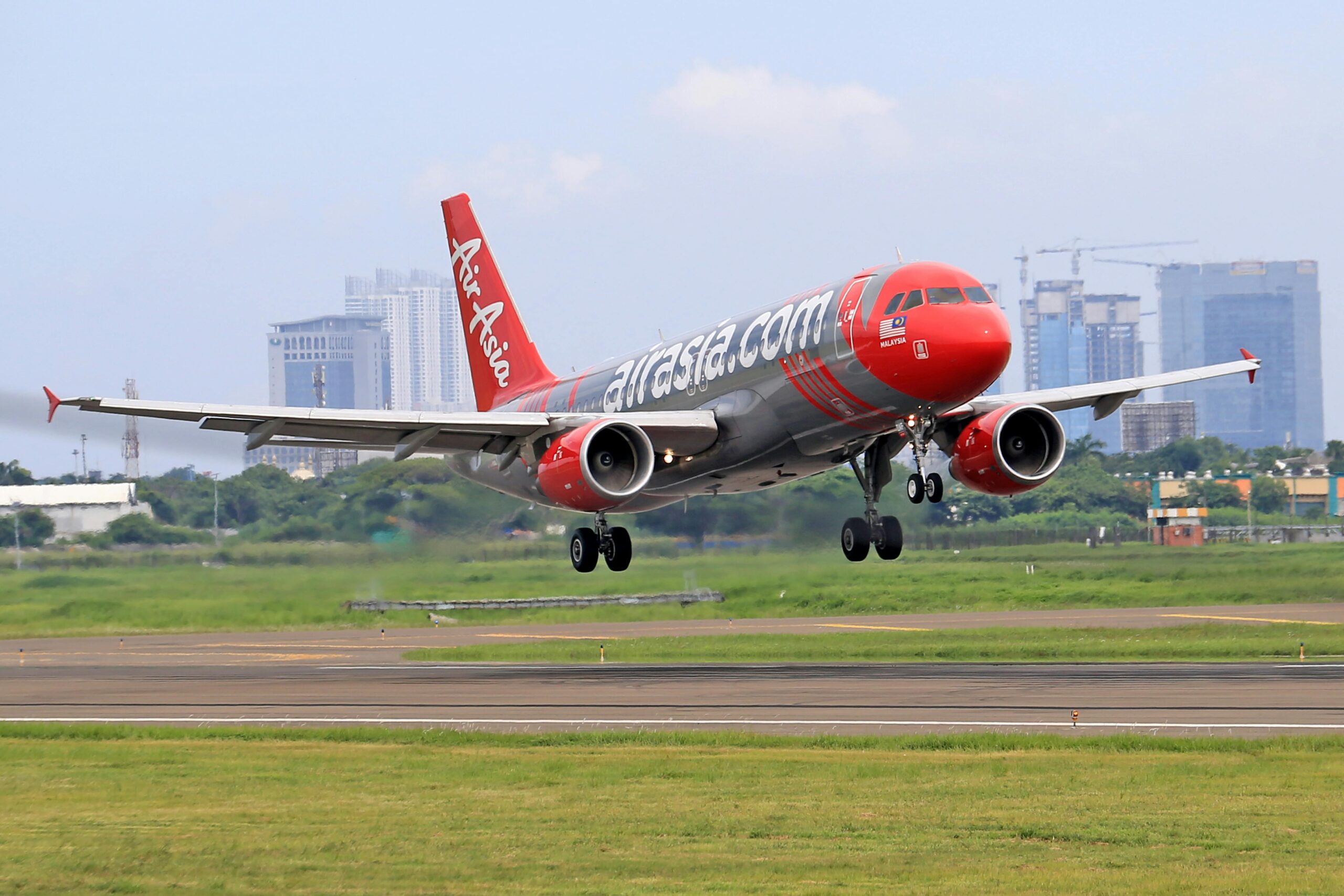
AirAsia plans a bold move to connect Europe and Southeast Asia through a new Gulf hub by 2025. Therefore, this ambitious expansion positions AirAsia to transform budget travel between these booming markets. Since travelers demand affordable flights, AirAsia steps up to offer smarter connections and lower fares.
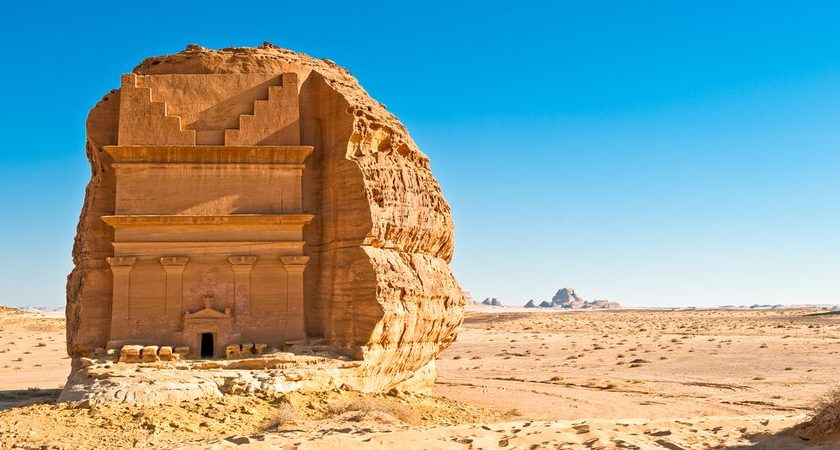
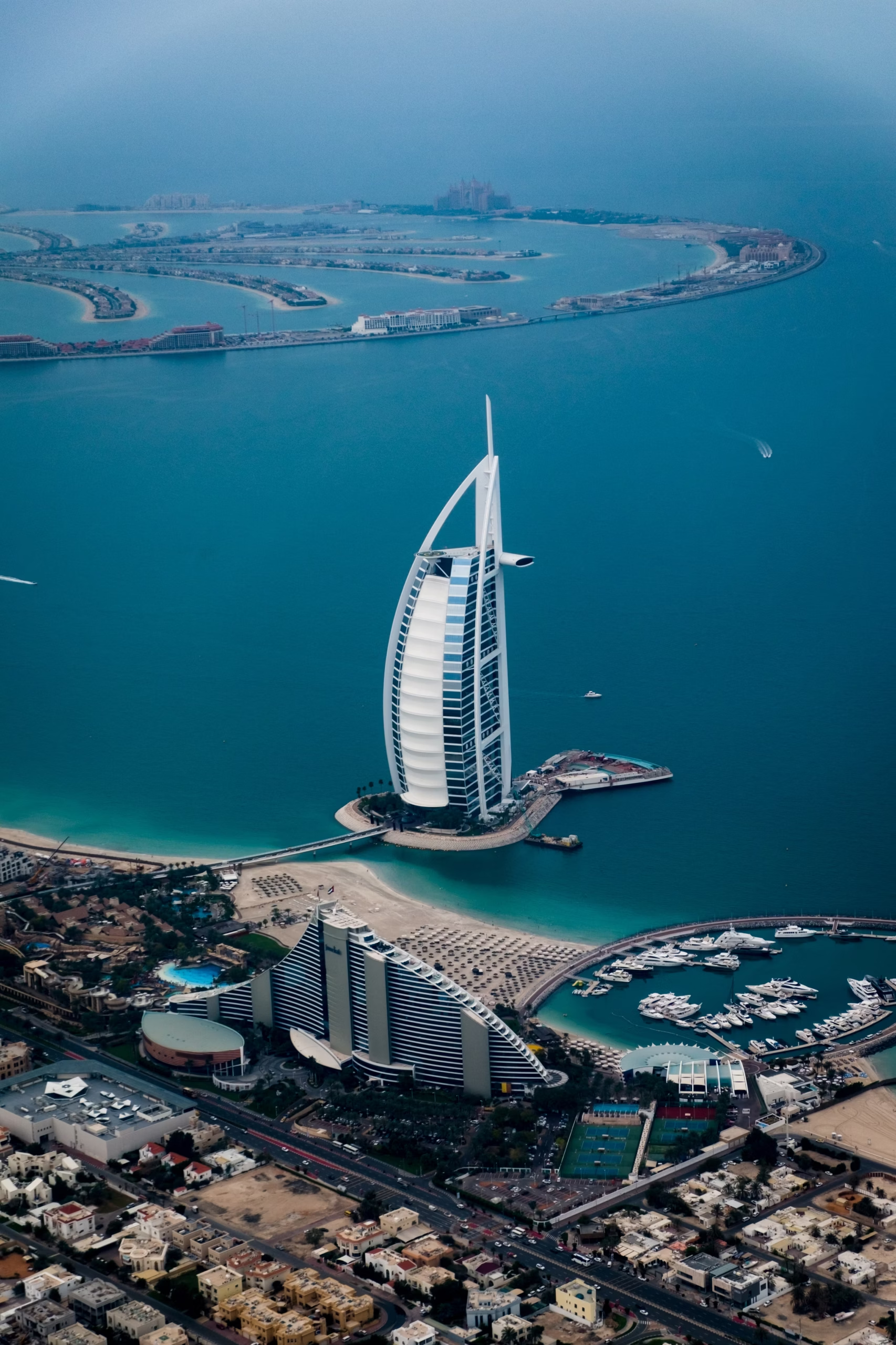
Meanwhile, the airline considers Ras Al Khaimah in the UAE and a Saudi city as prime candidates for this hub. Ras Al Khaimah shines with modern airport upgrades and strong tourism growth. Additionally, Saudi Arabia attracts attention with big investments and rapid aviation expansion. As a result, these Gulf locations allow AirAsia to capture Europe-bound traffic and enhance links to Southeast Asia.
Moreover, AirAsia invests in long-range jets like the Airbus A321XLR to power this growth. These aircraft unlock new routes to Europe’s secondary cities. Therefore, travelers in places like Dublin and Manchester get wallet-friendly options. This approach aligns with AirAsia’s hub-and-spoke strategy. Because of this, passengers can book multi-stop journeys with ease and reach more destinations than ever.
Furthermore, the Gulf hub marks AirAsia’s shift from point-to-point flights to a connected network. By building this new model, AirAsia wants to boost market share and improve convenience. Consequently, travelers enjoy seamless transfers and attractive fares on long-haul routes. This strategy aims to raise connecting traffic far beyond the current share.
In the end, AirAsia paves the way for an exciting new era in low-cost travel. The new hub strengthens AirAsia’s footprint in the Middle East and makes Europe more accessible to Asia. Overall, this expansion underlines AirAsia’s mission to offer efficient, affordable, and enjoyable journeys. Therefore, travelers looking for budget adventures across continents now have a fresh reason to choose AirAsia.
Related stories:
Catch up on the top stories and travel deals by subscribing to our newsletter!