Imagine stepping off a bridge and realizing you’re suddenly in another country — no plane, no customs queue, just a few quiet footsteps over water. Border bridges offer some of the most fascinating travel experiences in the world. They let you cross from one nation to another while taking in incredible views, connecting cultures, and sometimes, enjoying two cuisines within minutes. Sounds exciting? Well, it truly is. Let’s explore how these bridges make travel feel like a magic trick you can walk across.
From Europe’s iconic river crossings to Asia’s hidden gems and Africa’s community linkways, each of these border bridges carries its own story. Whether you’re a geography lover, a casual explorer, or someone looking for an unusual bucket-list moment, walking across a border bridge might just be the most memorable experience of your trip.
Why Border Bridges Fascinate Travelers
There’s something wonderfully surreal about being in two countries at once. These bridges symbolize more than infrastructure — they represent peace, collaboration, and connection. Historically, bridges were built for trade and diplomacy. Today, many of them stand as testaments to friendship between neighboring nations. Some even allow completely visa-free crossings for pedestrians, making them ideal for spontaneous travelers.
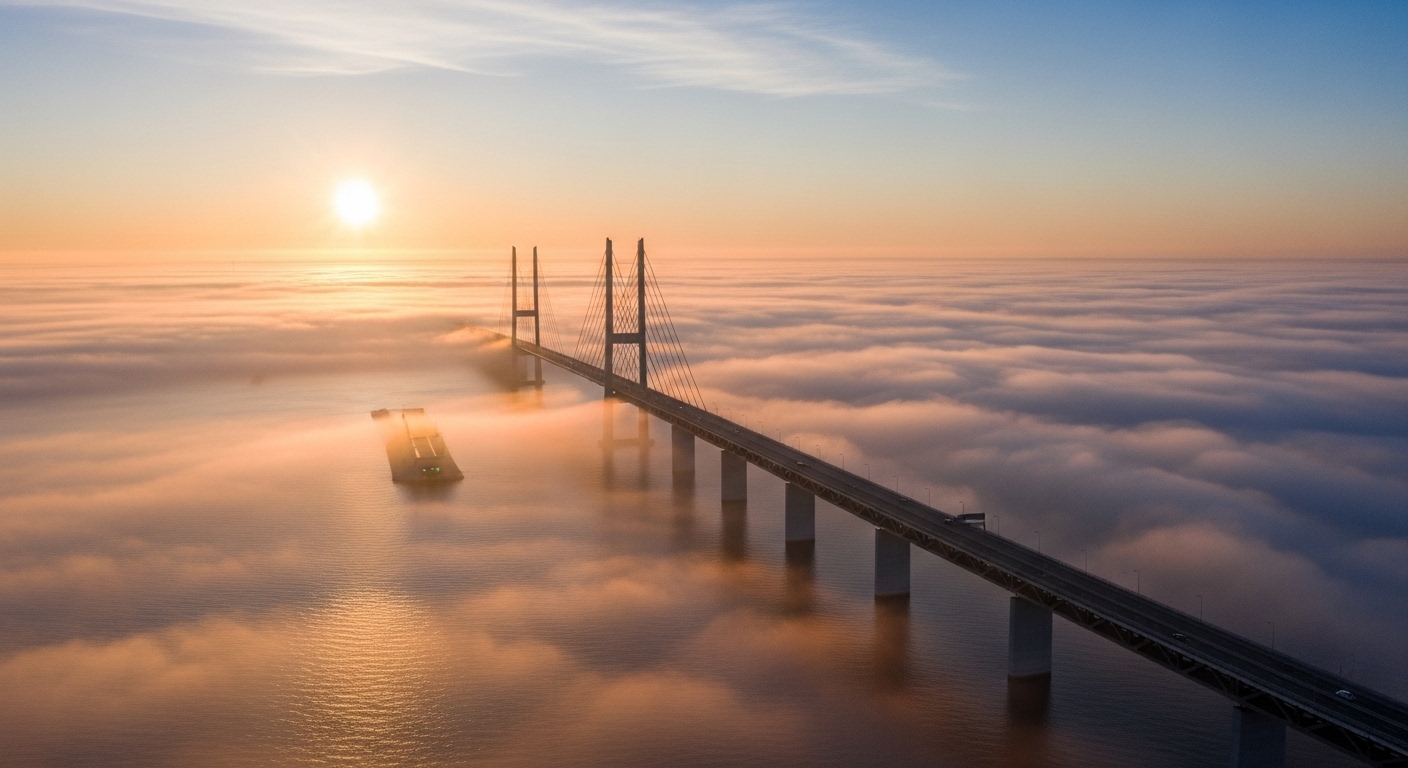
Consider the Øresund Bridge connecting Denmark and Sweden. It’s both a bridge and a tunnel — an engineering marvel linking Copenhagen to Malmö. Travelers can drive or take a train, but the best views come when you walk or cycle along the shoreline, watching the bridge disappear into the mist.
Another great example is the Sault Ste. Marie International Bridge between the United States and Canada. It crosses the St. Marys River, offering stunning views of Great Lakes freighters below. Walking there feels like floating between two worlds — literally.
Europe’s Most Walkable Border Bridges
Europe is where the idea of border bridges shines brightest. Thanks to open-border agreements like Schengen, travelers can cross countries on foot without ever showing a passport. Let’s highlight some must-visit ones:
1. The Friendship Bridge (Germany–Poland)
Located between Frankfurt (Oder) and Słubice, this small pedestrian bridge has a big heart. Locals from both sides cross daily for shopping, food, and cultural events. Standing in the middle gives you a panoramic view of two cities that were once one before the borders changed after WWII.
2. The Saint Ludovic Bridge (France–Italy)
Connecting Menton, France, and Ventimiglia, Italy, this bridge offers more than just a crossing — it’s a photo-perfect seaside route where you can sip espresso in one country and enjoy croissants in another. The scent of the Mediterranean lingers as you walk, making it an unmissable spot for romantics.
3. The Peace Bridge (Ireland–Northern Ireland)
Built to unite communities divided by decades of conflict, this stunningly curved pedestrian bridge spans the River Foyle. Walking across it feels like walking through a symbol of hope and reconciliation.
Each of these crossings invites reflection: What defines a border, really? Is it the lines drawn on maps, or is it the shared laughter of people meeting halfway?

Asia’s Hidden Cross-Border Walkways
While Europe has dozens of famous pedestrian crossings, Asia’s border bridges offer their own quiet magic. These are less about tourism and more about connecting families, traders, and traditions across boundaries.
1. The Thai–Lao Friendship Bridge (Thailand–Laos)
Built over the Mekong River, this bridge connects Nong Khai in Thailand to Vientiane in Laos. Tourists often walk partway across just to enjoy the view — golden temples glinting in the distance, monks strolling peacefully, and the sound of riverboats below.
2. The Wagah Border Bridge (India–Pakistan)
Though it’s more ceremonial than walkable for tourists, this iconic spot near Amritsar and Lahore is worth mentioning. The evening flag-lowering ceremony transforms the border into a grand show of synchronized pride and unity.
3. The Johor–Singapore Causeway (Malaysia–Singapore)
This busy link sees thousands of commuters daily. Some even walk it during public holidays for fun — a symbolic stroll between two bustling economies where languages, food, and cultures seamlessly mix.
Bridges in the Americas Where Borders Blur
From the U.S.-Mexico boundary to Central America’s river crossings, border bridges in the Americas blend practical travel with rich storytelling.
1. The Paso del Norte International Bridge (U.S.–Mexico)
Known as “The Santa Fe Street Bridge,” it connects El Paso, Texas, and Ciudad Juárez, Mexico. You can walk across in minutes, moving from English street signs to colorful Spanish markets — a vivid, real-time culture shift.
2. The International Bridge (Brazil–Uruguay)
Here, you can literally straddle two nations at once. One side speaks Portuguese, the other Spanish, but both share the same rhythm of life. It’s one of the friendliest borders in South America, and locals often walk back and forth without even thinking about it.
3. The Friendship Bridge (Paraguay–Brazil)
Spanning the Paraná River, this is both a trading route and a scenic walkway. Tourists often pause midway to take photos, capturing themselves halfway between two nations — a travel brag worth sharing!
Bridges in Africa That Connect Communities
In Africa, border bridges tell stories of resilience and renewal. They’re often lifelines linking villages, markets, and families. The Kazungula Bridge, for instance, unites four countries — Zambia, Zimbabwe, Botswana, and Namibia — through an engineering marvel shaped like a gentle curve. Standing on it, you can literally gaze at four nations at once!
Another striking example is the Senegambia Bridge, which links Senegal and The Gambia. It was built to strengthen trade and shorten journeys, but it has become a symbol of unity. Travelers often stop for a photo, waving to locals crossing with baskets or bikes — it’s humanity in motion.
Bridges That Tell Stories Beyond Borders
Walking a border bridge is rarely just a physical act. It’s emotional. It’s about standing between worlds, noticing similarities rather than differences. The bridges remind us that, despite political lines, human connection flows freely. Some bridges even host cultural festivals that celebrate both sides — shared music, shared meals, shared laughter.
In Bosnia and Herzegovina, the Stari Most (Old Bridge) in Mostar once divided communities. Now, it unites them again. Tourists watch locals dive from its high arch into the river below — a ritual of courage and peace. Crossing it feels like participating in history’s healing process.
How to Plan Your Own Cross-Border Walk
If this sounds like the kind of travel you crave — spontaneous, scenic, and story-rich — then walking across border bridges could be your next adventure. Here’s how to plan one:
- Check crossing rules: Even pedestrian bridges sometimes require passports or visas. Always confirm in advance.
- Start small: Choose a bridge in the Schengen Zone or between friendly nations for your first experience.
- Go at golden hour: Sunsets add an almost cinematic glow to your crossing, especially when rivers or skylines frame your path.
- Talk to locals: Ask how they use the bridge — for work, trade, or friendship. You’ll gain insights no guidebook can offer.
Would you ever plan a trip just to walk across a border bridge? Tell us in the comments — we’d love to know!
At their core, border bridges are reminders of how interconnected our world really is. They show that beauty doesn’t always need a destination; sometimes, it’s found mid-journey — suspended between two horizons. Whether you’re in Europe, Asia, or the Americas, these crossings invite you to walk, pause, reflect, and remember that borders are human-made, but connection is universal. If you’ve ever crossed one of these bridges — or plan to — share your story below! And don’t forget to follow us on social media for more inspiring travel adventures and offbeat destinations.
Catch up on the top stories and travel deals by subscribing to our newsletter!