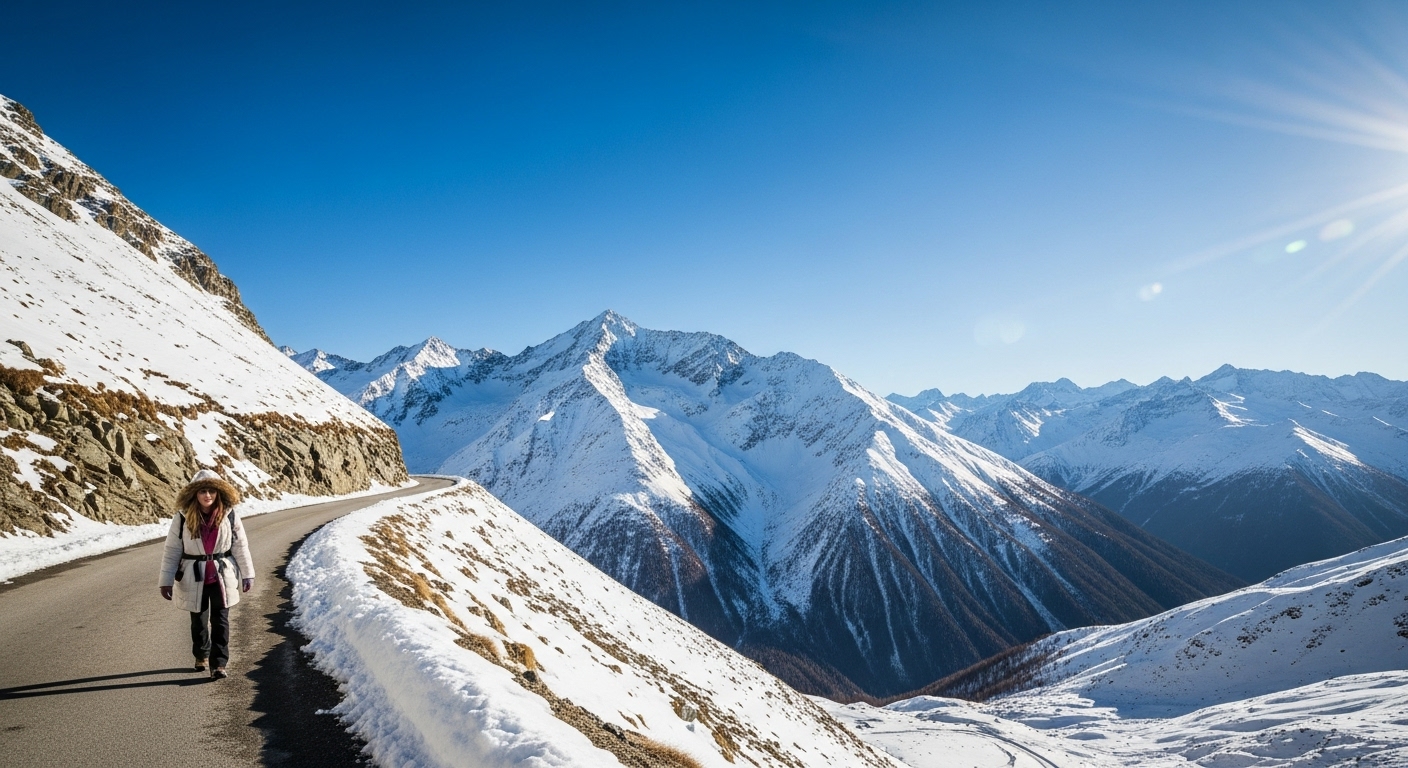
Have you ever dreamed of wandering through mountain villages or gazing down from snow-capped peaks? Visiting high-altitude destinations offers breathtaking views and fresh perspectives. However, with those rewards come unique challenges. In this guide, we’ll unpack essential travel safety tips for high-altitude destinations—covering acclimatization, hydration, weather shifts, gear choices, emergency protocols, and cultural awareness. Whether you’re headed to the Andes, Himalayas, or Rockies, these insights will help you stay safe, healthy, and fully present.
Altitude isn’t just a number. It alters how your body reacts, how your gear performs, and even how you connect with locals. Let’s climb smart and welcome every peak responsibly.
Understanding Altitude Sickness
Acute Mountain Sickness (AMS) affects many travelers over ~2,500 m. Symptoms range from headache and nausea to fatigue and dizziness. To protect yourself, pace your ascent: don’t rush from 1,000 to 4,000 m in one day. Instead, plan rest days every 300–500 m of elevation gain.
Additional helpful steps include taking preventive medication (like acetazolamide), avoiding overexertion on day one, and sleeping low while climbing high. If symptoms persist—especially shortness of breath or severe headache—descend immediately. Symptoms shouldn’t be ignored or “toughed out.” Your safety matters more than summit goals.
Hydration and Nutrition Strategies
At altitude, your breathing rate increases, so you lose more water even without feeling thirsty. Carry at least 3–4 liters of fluid per day. Include electrolyte packets to replace lost minerals. Avoid caffeine and alcohol on ascent—they can dehydrate you further.
Eating frequent, light meals rich in carbs helps fuel your climb and keeps energy levels steady. Snack on nuts, dried fruit, barley soups, or energy bars. Before climbing, ask your guide about local altitude-friendly cuisine—quinoa in Bolivia, barley porridge in Nepal, and corn snacks in the Andes are all smart choices.
Gear and Clothing Considerations
Layering is key. At high altitudes, temperatures can swing wildly from sunshine to wind chill. Use a base layer that wicks moisture, an insulating mid-layer, and a sturdy, waterproof shell. Don’t forget a warm hat, UV sunglasses, and insulated gloves. A buff or neck gaiter is helpful for dust and sunshade.
Footwear matters too. Choose high-quality hiking boots with ankle support and traction. Bring crampons or microspikes if you expect ice or snow. Even in summer, mornings and evenings can freeze solid.

Weather and Environmental Awareness
Mountain weather can turn in minutes. Always check local forecasts and watch for sudden storm fronts. Thunderstorms above tree line bring lightning risk. Avoid open ridges or exposed saddles during lightning activity.
Additionally, UV radiation intensifies with altitude. Apply sunscreen of at least SPF 30 to skin and lips, and reapply every two hours. Protect yourself from windburn and snow glare too. Itchy eyes? A pair of wraparound sunglasses or glacier goggles may make all the difference.
Physical Prep and Fitness
Even moderate hikes become strenuous at altitude. Prepare with cardiovascular training, like running, cycling, and hiking with a loaded daypack. Include stair climbing or treadmill hikes in gym sessions. Aim to carry 10–15 kg comfortably on flat terrain before attempting steep ascents at altitude.
Stretching and flexibility training are also useful. Tight hips or calves lead to fatigue more quickly in steep or rocky terrain. A few yoga routines before your trip can give you an edge.
Emergency Planning and Communication
Cell service often drops above ~3,000 m. Always bring a satellite phone, GPS beacon, or personal locator beacon in remote areas. Know how to contact local rescue teams and carry a printed map with evacuation routes marked.
In addition, pack a compact first-aid kit with altitude-specific meds, blister-care supplies, pain relief, and a lightweight thermal blanket. Before summiting, review signals for rescue, what your guide’s evacuation plan involves, and where the nearest medical refuge lies.
Cultural and Respectful Behavior
High-altitude communities often have strong cultural values tied to the land. In the Andes, mountain gods called apus are honored during ascents. In Tibet, mani stones mark sacred passages. Learn about local customs: ask permission before entering villages, inquire about dress norms, and consider offering a small token or food gift in exchange for local hospitality.

Respect prayer flags and chortens—they’re not just decorative, but spiritual markers. Simple gestures like observing silence during local recitation or pauses at shrines show deep respect and often build goodwill with locals.
Partner or Group Dynamics
If you’re traveling with a group, stay together during climbs and descents. Altitude affects people differently: some gain strength over time, while others may tire quickly. Be ready to slow down for weaker members—or split up temporarily with clear check-in plans.
Solo travelers should communicate daily check-ins with family or friends via satellite messenger. In group settings, establish buddy systems: assign partners to monitor each other’s health, hydration, and morale.
Local Support: Guides and Porters
Hiring a knowledgeable local guide or porter can be invaluable. They know altitude sickness symptoms, local weather patterns, hidden trails, and cultural nuances. Their presence often makes routes quicker, safer, and more respectful toward local traditions. Be prepared to tip fairly—rates vary, but 10–20 % of the guide’s fee is common. If lodging or food is included, check with your agency whether tipping is expected separately.
Summit dreams can come true with careful planning and respect for nature, culture, and physiology. Using these travel safety tips for high-altitude destinations means you stay safe, acclimated, and present in every moment. Every sunrise from base camp and every clear night under a sea of stars becomes that much more meaningful.
Which mountain range is calling you next? Are you more excited about summit sunrises or alpine villages? Share your high-altitude hopes or past adventures in the comments below. And for more specialized travel advice—whether you’re exploring mountain peaks, deserts, or hidden forests—follow WentWorld on social media and stay inspired for more travel safety tips for high-altitude destinations!
Catch up on the top stories and travel deals by subscribing to our newsletter!