There’s something truly different about sipping coffee where it’s grown. The air is cooler, the sun feels sharper, and every cup seems to tell a story that started long before it reached your mug. That’s what makes Coffee at Altitude such a powerful experience. It’s not just about caffeine — it’s about community, connection, and consciousness.
Today, travelers aren’t only seeking scenic views. Many are looking for meaning in every mile they cover. Visiting high-altitude coffee regions lets you see firsthand how farmers, co-ops, and ethical producers create some of the most complex, sustainable, and inspiring brews on Earth. So, let’s go on a journey together — from Andean ridges to Ethiopian plateaus — to understand what “ethical coffee” really means when you’re standing where the beans grow.
Why Altitude Matters for Coffee
If you’ve ever wondered why coffee labels mention elevation, there’s a reason. Coffee grown at higher altitudes — usually between 1,200 and 2,000 meters — develops slower. The beans grow denser and pack in more sugars, leading to the vibrant, fruity, or floral flavors we crave. In fact, altitude affects everything from acidity to aroma.
For example, a Guatemalan coffee grown at 1,800 meters tastes dramatically different from one harvested near sea level. Cooler nights and thinner air create stress that enhances the bean’s complexity. In short, altitude isn’t just geography — it’s a flavor factor.
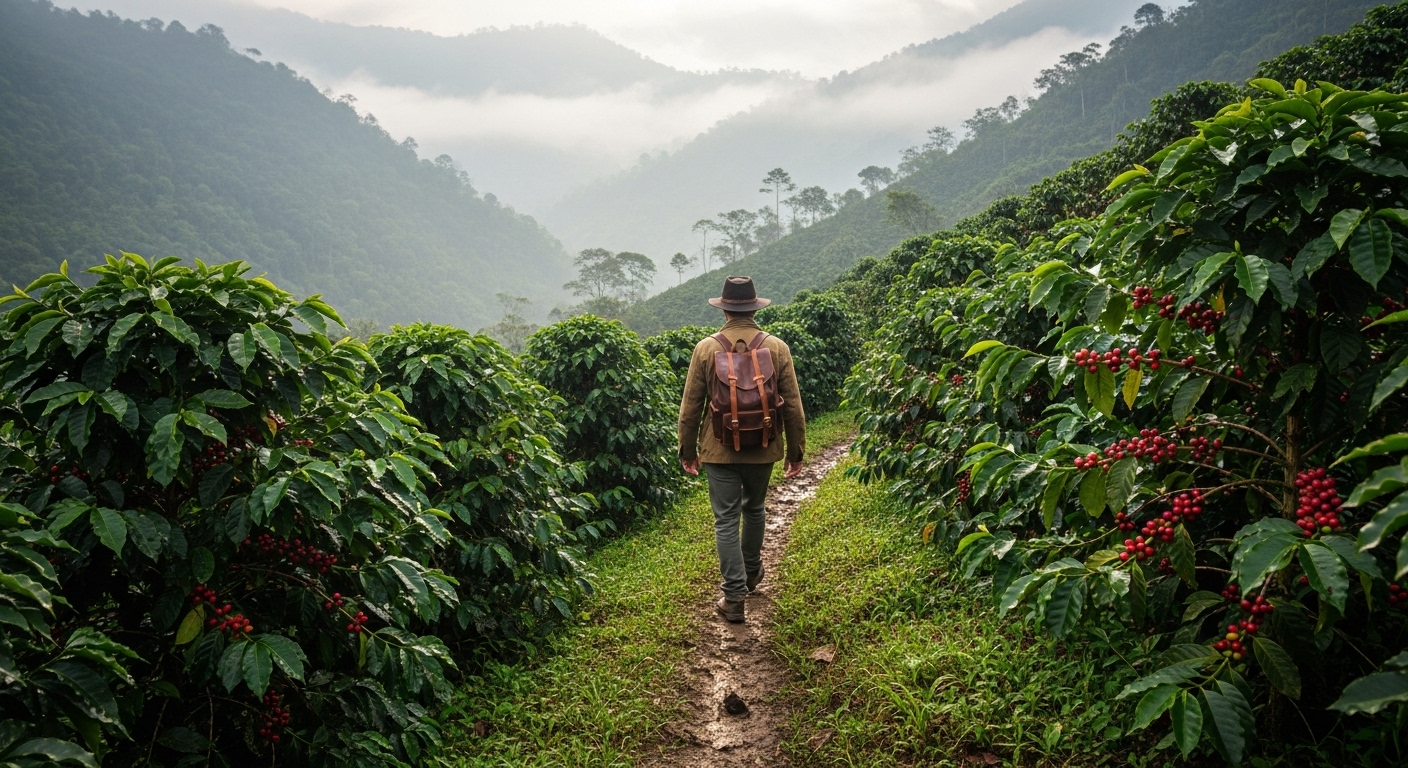
When you walk through a mountain coffee farm, the difference is tangible. The plants cling to steep slopes, shaded by banana trees, and the breeze carries a sweet, earthy scent. It’s a reminder that your morning cup is a masterpiece of climate, patience, and people.
The Human Side: Ethical Co-Ops and Fair Trade Roots
Behind every cup of Coffee at Altitude are hands that pick, wash, and dry the beans — often in small villages where coffee is the main livelihood. Ethical co-ops (cooperatives) play a key role here. These are community-run organizations that ensure fair wages, safe working conditions, and equal opportunities for growers, especially women and youth.
Instead of middlemen taking big cuts, co-ops sell coffee directly to ethical roasters or travelers visiting the source. This direct-trade model ensures that profits stay within the community. It means kids go to school, farmers invest in better processing, and entire regions move toward sustainability.
When you visit a co-op, it’s not just a tour — it’s an education. You might sit with a local farmer while he explains how shade-grown methods protect biodiversity. Or you could watch as a group of women hand-sort beans under the afternoon sun. Every encounter deepens your appreciation for the effort behind each espresso shot.
Top Regions for Coffee at Altitude
Ready to plan your own origin trip? Let’s explore some breathtaking regions where altitude and ethics meet beautifully.
- Colombia (Huila & Nariño) – Known for balanced and bright coffees, Colombia’s highlands are dotted with family farms. Co-ops like Café de Mujeres empower women to lead the industry sustainably. Don’t miss a visit to San Agustín, where you can taste single-origin brews overlooking volcanic valleys.
- Peru (Cajamarca & Cusco) – Peru’s mountain-grown coffees are smooth, nutty, and clean. Many are certified organic, produced by smallholder families. Ethical co-ops like Cenfrocafe give visitors immersive farm-stay options that include harvesting and cupping sessions.
- Ethiopia (Sidamo & Yirgacheffe) – The birthplace of coffee. Here, altitude meets heritage. Visit Yirgacheffe, where heirloom varietals flourish in volcanic soil. You’ll see how ancient traditions blend with modern sustainability projects.
- Rwanda (Gakenke & Nyamasheke) – Rwanda’s steep coffee slopes are part of the country’s healing journey after conflict. Co-ops like Dukunde Kawa provide stable income for thousands of families. The views — misty lakes and forested hills — make every visit unforgettable.
- Guatemala (Antigua & Huehuetenango) – If you love chocolatey, full-bodied brews, Guatemala is paradise. Visit small farms near active volcanoes, tour community-owned mills, and share a meal with the farmers who grew your beans.

What to Expect on an Origin Trip
Visiting a coffee co-op isn’t like a quick tasting at a city café. It’s a full immersion. You’ll walk between rows of green coffee plants, learn how cherries are handpicked, and even try washing beans yourself. For many, the most memorable moment is the cupping session — a guided tasting where you smell and slurp freshly roasted beans, learning to detect notes of caramel, citrus, or berries.
Travelers often describe these trips as life-changing. Not only do you see the production side of coffee, but you also witness resilience and pride. Farmers love sharing their craft, and they often invite visitors to join family meals, community festivals, or even tree-planting projects.
How Ethical Co-Ops Are Changing Coffee Tourism
Traditional tourism can sometimes exploit local communities. However, ethical co-ops flip the script. They build transparent systems where both visitors and hosts benefit. For example, many co-ops in Peru and Colombia operate community tourism programs where travelers stay with families and pay directly for lodging and food.
This model ensures fair distribution of income. It also fosters mutual respect. You’re not just a tourist; you’re a guest contributing to sustainable livelihoods. Moreover, the exchange goes both ways — you learn about coffee production, and locals learn more about global consumers’ appreciation.
Environmental Consciousness: Sustainability at the Source
High-altitude coffee farms exist in fragile ecosystems. Therefore, sustainability isn’t optional — it’s essential. Many co-ops are at the forefront of eco-innovation. They use natural compost instead of chemical fertilizers, conserve water through circular systems, and reforest degraded areas to prevent soil erosion.
Some regions even integrate renewable energy. In Rwanda and Ethiopia, solar dryers and eco-friendly washing stations are replacing diesel-powered equipment. As a result, carbon footprints shrink while coffee quality rises. Visiting these farms, you can feel hopeful about how ethical travel and sustainability can work hand in hand.
Questions to Reflect On While Traveling
As you sip that freshly brewed coffee on a mountain terrace, ask yourself — what’s in your cup? Do you know who grew it, picked it, or roasted it? Could your next coffee adventure make a difference in someone’s life?
We’d love to hear your thoughts. Would you consider joining an origin trip with an ethical co-op? Have you already visited a coffee region that left a mark on your heart? Share your story in the comments — your experience might just inspire another traveler.
Tips for Planning Your Coffee-at-Altitude Adventure
- Do your research: Look for certified co-ops and sustainable travel programs. Fair Trade, Rainforest Alliance, and B Corp certifications are good signs.
- Travel light but intentionally: Bring sturdy shoes, reusable bottles, and a journal. Mountain roads can be rough, but the views are worth it.
- Learn a few local words: Whether it’s Quechua in Peru or Amharic in Ethiopia, a simple “thank you” means a lot.
- Respect traditions: Many farms have rituals around coffee brewing — take time to observe and honor them.
- Stay longer: One extra day can turn a visit into a friendship. The slower you go, the deeper your experience becomes.
The Bigger Picture: Coffee as Connection
Coffee at Altitude isn’t just a travel experience; it’s a perspective shift. You see how global systems — agriculture, trade, and culture — intertwine in something as small as a bean. You realize that every purchase can be an act of fairness and awareness.
Most importantly, you witness pride. Farmers take immense joy in sharing their stories. Every bag of beans you take home carries that spirit — of mountains, labor, and legacy.
So, the next time you reach for your morning coffee, pause for a moment. Imagine the altitude, the hands, and the hope behind it. And maybe, plan your next trip not to a city café, but to the source itself. Because once you’ve shared laughter and stories with the people behind your cup, coffee never tastes the same again.
Don’t forget to follow us on our social platforms for more travel stories, ethical adventures, and guides that connect you to the heart of the world’s most inspiring destinations. Let’s keep traveling — and tasting — with purpose.
Catch up on the top stories and travel deals by subscribing to our newsletter!