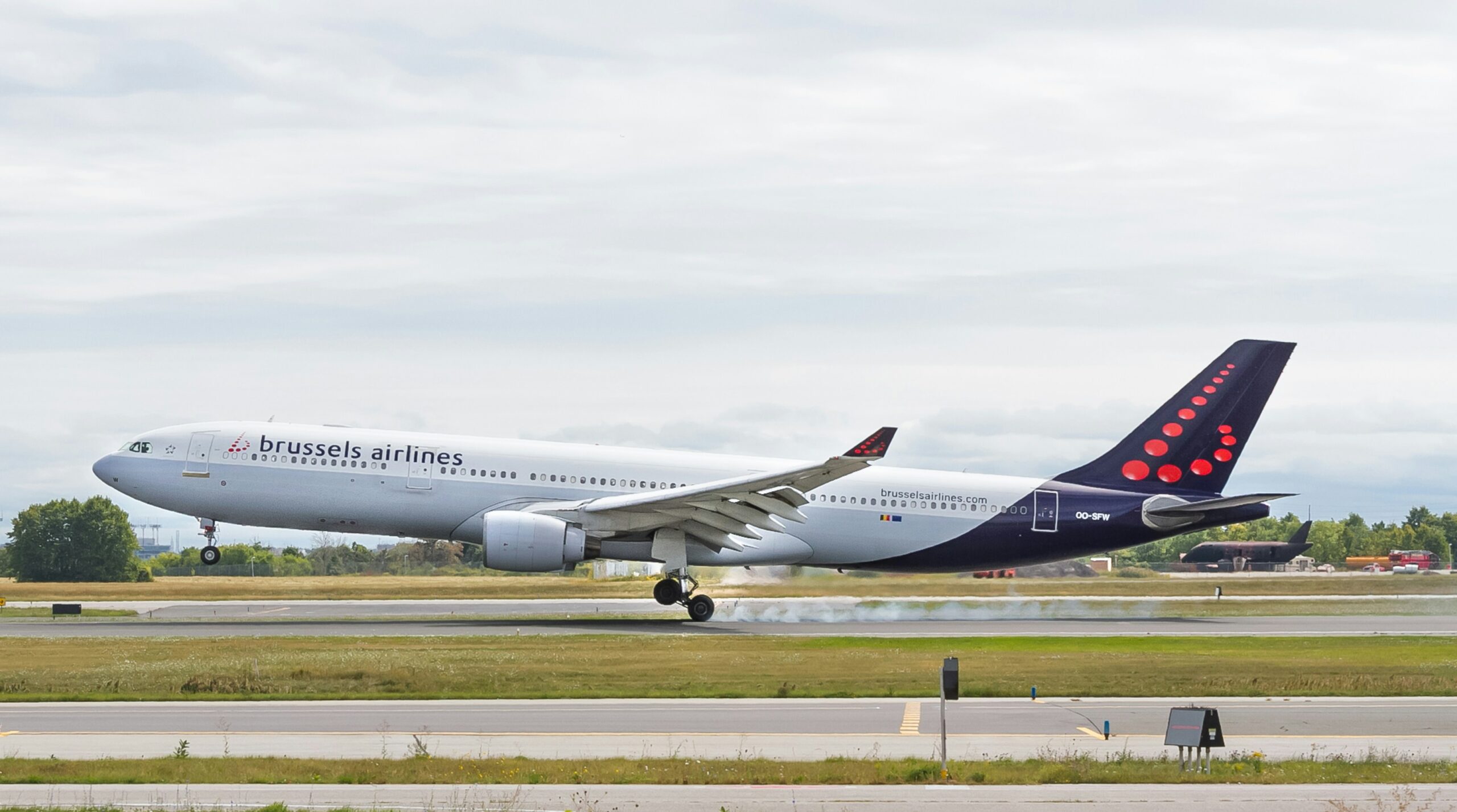
Brussels Airlines has transformed aviation training by shifting to advanced Virtual Reality-based systems. As part of the Lufthansa Group, the airline now leads with innovation that lowers cost and reduces emissions. Therefore, Brussels Airlines continues setting new standards in sustainable pilot training.
Instead of relying on traditional simulators, the airline now uses immersive VR tools to train A320 flight crews. Consequently, pilots gain more flexibility to practice without needing in-person instructors. As a result, they improve faster and with greater confidence.
Moreover, this training includes a virtual cockpit that simulates real flight conditions in high detail. Pilots repeat complex procedures until they master every step. Thus, they build muscle memory and stay prepared for real-world challenges.
In addition, these sessions happen outside standard simulator schedules. This saves time and makes the process more efficient. Unlike older flat-panel systems, VR engages pilots better and helps them retain more knowledge quickly.
Furthermore, Brussels Airlines plans to roll out VR training across all A320 operators in the Lufthansa Group. This includes multiple European training centers. Meanwhile, future updates will support aircraft like the A330 and A350. Therefore, the airline stays ready for evolving fleet needs.
By adopting this technology early, Brussels Airlines reinforces its role as an industry leader. It proves aviation training can be smarter, faster, and greener. Eventually, this move will influence how other airlines train their flight crews worldwide.
Ultimately, Virtual Reality brings a flexible, scalable solution to modern flight education. Because of this, Brussels Airlines stands ahead in shaping the future of aviation.
Related stories:
Catch up on the top stories and travel deals by subscribing to our newsletter!