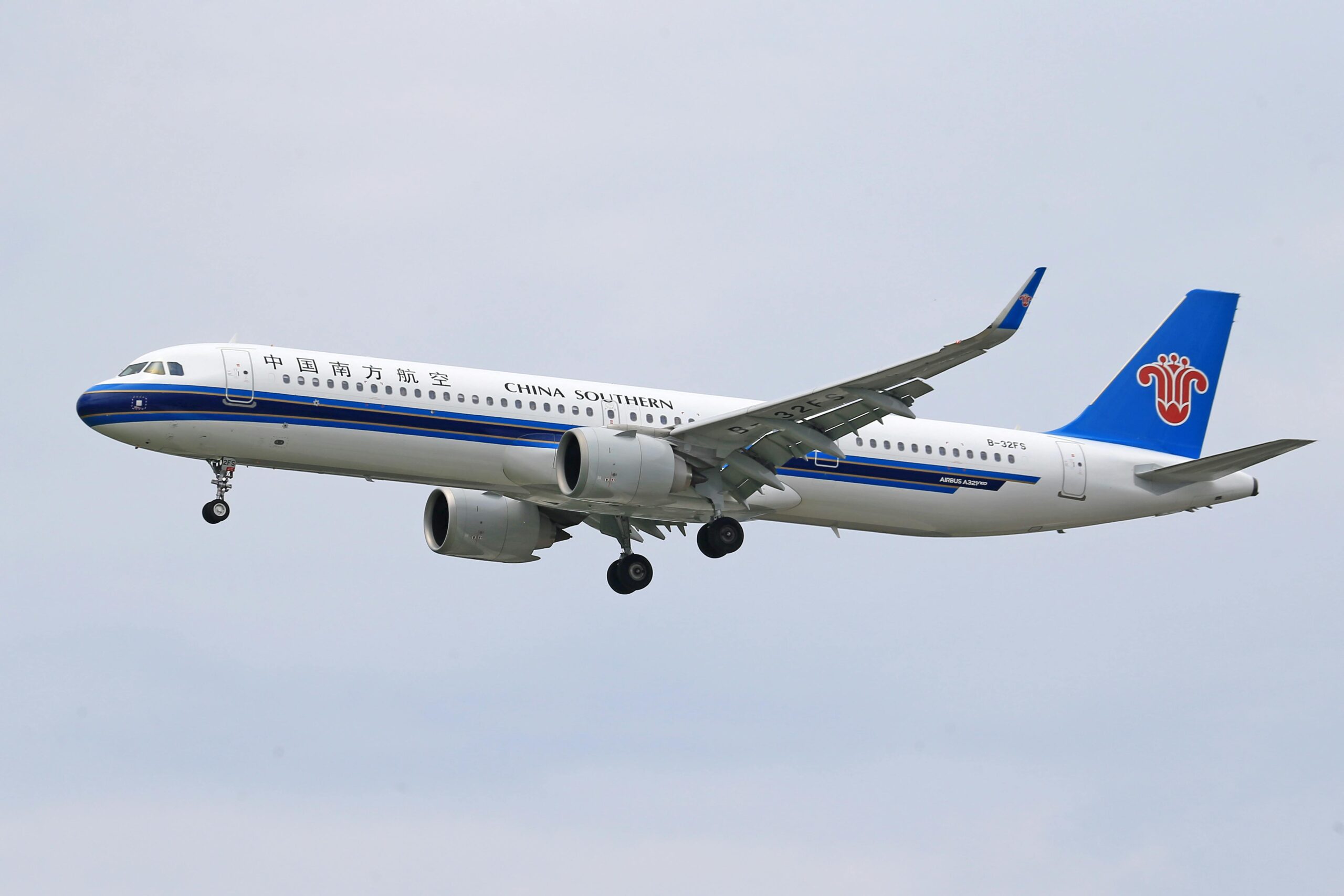
China Southern plans a nonstop Beijing Daxing to Helsinki service, reshaping Northern Europe access. Therefore, China Southern places its strategy within expanding long-haul demand and renewed traveler confidence. Additionally, the route highlights Beijing Daxing’s growing international role since opening. Consequently, travelers gain faster connections between China and Northern Europe.
Furthermore, Beijing Daxing continues building a wider intercontinental network with focused European growth. Meanwhile, the Helsinki route delivers the airport’s first direct Nordic connection. Additionally, China Southern strengthens its European presence through selective, high-demand corridors. Consequently, the plan signals confidence in sustained cross-continental travel flows.
However, Europe–Asia aviation faces complex operating conditions following airspace changes since 2022. Therefore, many European airlines operate longer, costlier routings into Asia. Meanwhile, Chinese carriers maintain more efficient paths, supporting network expansion. Consequently, China Southern leverages operational flexibility to add strategic European links.
Moreover, Helsinki gains another direct gateway to mainland China with this proposed service. Therefore, Beijing becomes the third Chinese city with nonstop access from Finland. Additionally, existing links to Shanghai and Zhengzhou show steady bilateral demand. Consequently, the new route diversifies options for business and leisure travelers.
Furthermore, nonstop flights reduce journey time and simplify itineraries for long-haul passengers. Meanwhile, travelers value reliability, fewer transfers, and predictable schedules. Additionally, the Beijing–Helsinki link supports smoother tourism and trade movement. Consequently, airlines often see stronger yields on direct intercontinental services.
However, Helsinki’s traditional hub role relied on short polar routings into Asia. Therefore, recent airspace shifts altered transfer dynamics and route economics. Meanwhile, airlines now favor point-to-point services over legacy hub dependence. Consequently, the planned connection reflects adaptive network planning.
Moreover, China Southern positions the route within broader European capacity growth. Therefore, destinations like London, Paris, Frankfurt, and Madrid frame its footprint. Additionally, Helsinki adds Nordic reach without overlapping existing services. Consequently, the strategy balances expansion with network efficiency.
Furthermore, long-haul connectivity shapes tourism patterns and destination appeal. Meanwhile, direct access encourages repeat visits and simpler trip planning. Additionally, cities benefit from increased visibility and economic exchange. Consequently, the Beijing–Helsinki service fits evolving global travel recovery.
Finally, China Southern uses measured growth to reconnect continents through resilient networks. Therefore, Beijing Daxing continues emerging as a competitive long-haul hub. Additionally, Northern Europe gains stronger ties with Asia’s largest outbound market. Consequently, the route underscores aviation’s adaptive future.
Related stories:
Catch up on the top stories and travel deals by subscribing to our newsletter!