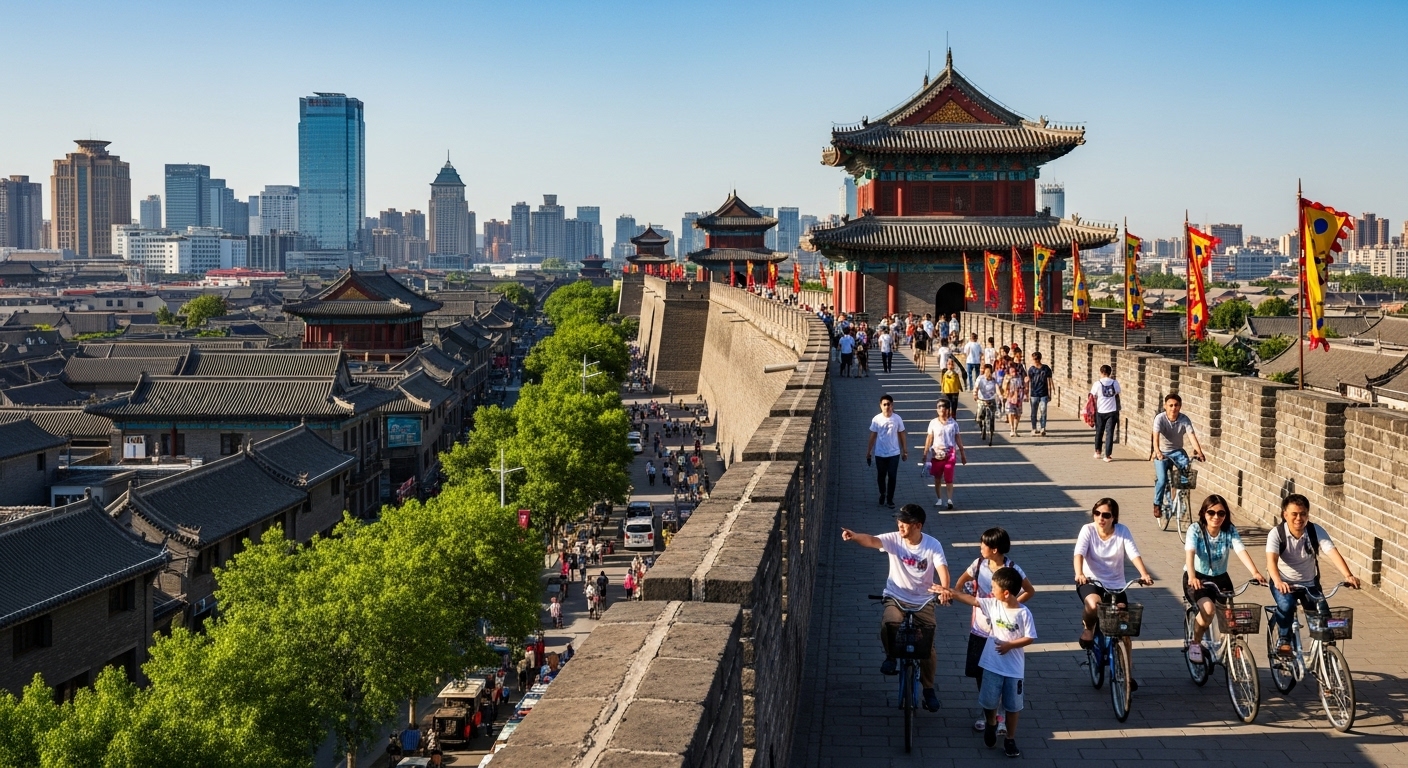
Walking through the streets of a modern city is fascinating, but imagine strolling alongside centuries-old fortifications that once protected entire civilizations. Cities that have revived their ancient walls are more than just historical sites—they are living monuments that connect the present to the past. From Europe to Asia, these walls tell stories of battles, culture, architecture, and the resilience of human civilization.
The Importance of Ancient Walls
City walls were historically constructed for defense, marking the boundary between civilization and the unknown. Beyond their military purpose, they represented the city’s identity and pride. Over time, many walls fell into disrepair, but in recent decades, cities have recognized their cultural and touristic value, leading to efforts to restore and revive them.
Reviving ancient walls is not just about preserving stone and mortar—it’s about keeping history alive. These walls allow residents and visitors to walk in the footsteps of ancestors, see how cities evolved, and appreciate architectural ingenuity that predates modern engineering.
Notable Cities That Have Revived Their Ancient Walls
- Xi’an, China: Xi’an’s ancient city wall is one of the best-preserved in the world. Visitors can walk or cycle along the top, enjoying panoramic views of this historic city while appreciating the massive fortifications built during the Ming dynasty.
- Dubrovnik, Croatia: The walls of Dubrovnik have been meticulously preserved, offering tourists stunning views of the Adriatic Sea and the medieval Old Town. These walls are not only historical treasures but also filming locations for popular media, including Game of Thrones.
- York, England: The medieval city walls of York provide a unique perspective of the city, winding past historic buildings, gardens, and cobbled streets. They are among the most complete and walkable city walls in England.
- Avila, Spain: Avila’s walls are iconic, stretching over 2.5 kilometers with 88 towers and nine gates. Restoration efforts have preserved its medieval character, and visitors can walk along the ramparts to experience history firsthand.
- Jerusalem, Israel: The walls of Jerusalem’s Old City, originally built by Suleiman the Magnificent, have undergone restoration to maintain both their structural integrity and historical significance. Walking the walls offers a glimpse into one of the most historic cities in the world.

Why Reviving Ancient Walls Matters
Preserving and reviving ancient city walls has multiple benefits:
- Cultural Heritage: Walls serve as tangible connections to the past, preserving architectural styles, craftsmanship, and urban planning from previous centuries.
- Tourism: Restored walls attract millions of visitors annually, supporting local economies and creating opportunities for cultural exchange.
- Community Identity: Revived walls instill pride among residents, reinforcing the unique identity and history of their city.
- Educational Value: Ancient walls are open-air classrooms for students, historians, and anyone interested in archaeology, history, or architecture.
Have you ever walked along an ancient wall and imagined the people who built it centuries ago? The revival of these walls bridges the gap between modern life and historical imagination, creating a sense of continuity across generations.
Challenges in Reviving Ancient Walls
Restoring ancient walls is no easy task. Cities face multiple challenges, including:
- Structural Deterioration: Many walls have suffered from centuries of weathering, natural disasters, or human activity.
- Urban Development: Modern construction often encroaches on historical sites, requiring careful planning to integrate old and new structures.
- Funding and Expertise: Restoration requires significant investment and skilled artisans familiar with traditional construction methods.
- Tourist Management: Increased foot traffic can cause wear and tear, so cities must balance preservation with accessibility.
How Travelers Can Experience Revived Ancient Walls
- Take guided tours to understand the historical context and architectural significance of each wall.
- Walk or cycle along the ramparts to enjoy panoramic views of the city and surrounding landscapes.
- Visit museums or exhibition centers near the walls to learn about the city’s history and restoration efforts.
- Participate in local cultural events held on or around the walls, such as medieval reenactments or festivals.
- Respect the site by following signage and avoiding activities that could damage the walls.
Exploring cities that have revived their ancient walls is an extraordinary way to connect with the past. These walls are more than historical monuments; they are living symbols of resilience, artistry, and community. Whether it’s the massive fortifications of Xi’an, the scenic walls of Dubrovnik, or the medieval charm of York and Avila, each city offers a unique journey through time.
Next time you travel, consider seeking out cities with revived ancient walls. Have you walked along any historic city walls before, or do you have a city in mind you’d love to explore? Share your experiences and thoughts in the comments below!
Follow us on our social media platforms for more stories about historical travel, heritage sites, and fascinating destinations around the world.
Catch up on the top stories and travel deals by subscribing to our newsletter!