Imagine strolling down a city street when suddenly, traffic stops, pedestrians pause, and boats glide by beneath a rising structure. Welcome to the intriguing world of cities with lift-bridges that pause street life. These engineering marvels don’t just connect two points—they create a temporary spectacle that merges urban movement with maritime motion. Have you ever experienced a moment where a bridge lifts and time seems to pause for both drivers and walkers? If not, you are in for an adventure as we explore some of the most captivating cities where this happens daily.
Why Lift-Bridges Are More Than Just Bridges
Lift-bridges, sometimes called drawbridges, are fascinating examples of functional architecture. Unlike traditional bridges, which are static, lift-bridges move. This means street traffic halts to allow river traffic or shipping vessels to pass. Cities with lift-bridges that pause street life combine practicality, history, and a touch of spectacle. From Amsterdam in the Netherlands to New York City, these bridges are more than infrastructure—they are landmarks and social spaces.
One might wonder why cities choose lift-bridges over other types of movable bridges. The answer often lies in space limitations, historical contexts, or river traffic frequency. These structures are not just functional—they often shape the rhythm of daily life, creating a unique urban experience. It’s fascinating to see how a city’s energy literally pauses to make way for boats and ferries below.
The Charm of Amsterdam’s Lift-Bridges
Amsterdam, famously crisscrossed by canals, is a city synonymous with bicycles, quaint streets, and lift-bridges that pause street life multiple times a day. The Magere Brug or “Skinny Bridge” over the Amstel River is a classic example. Pedestrians, cyclists, and cars all stop while boats sail beneath, creating a momentary urban pause that is almost cinematic.
Have you ever imagined the city slowing down just for a few moments while life continues above and below? This is exactly what makes lift-bridges so special. They offer residents and tourists alike a rare pause—a chance to observe, photograph, or just marvel at urban harmony. Next time you visit Amsterdam, take a moment at one of these bridges and experience the subtle magic.
Chicago: Industrial Elegance Meets Urban Pauses
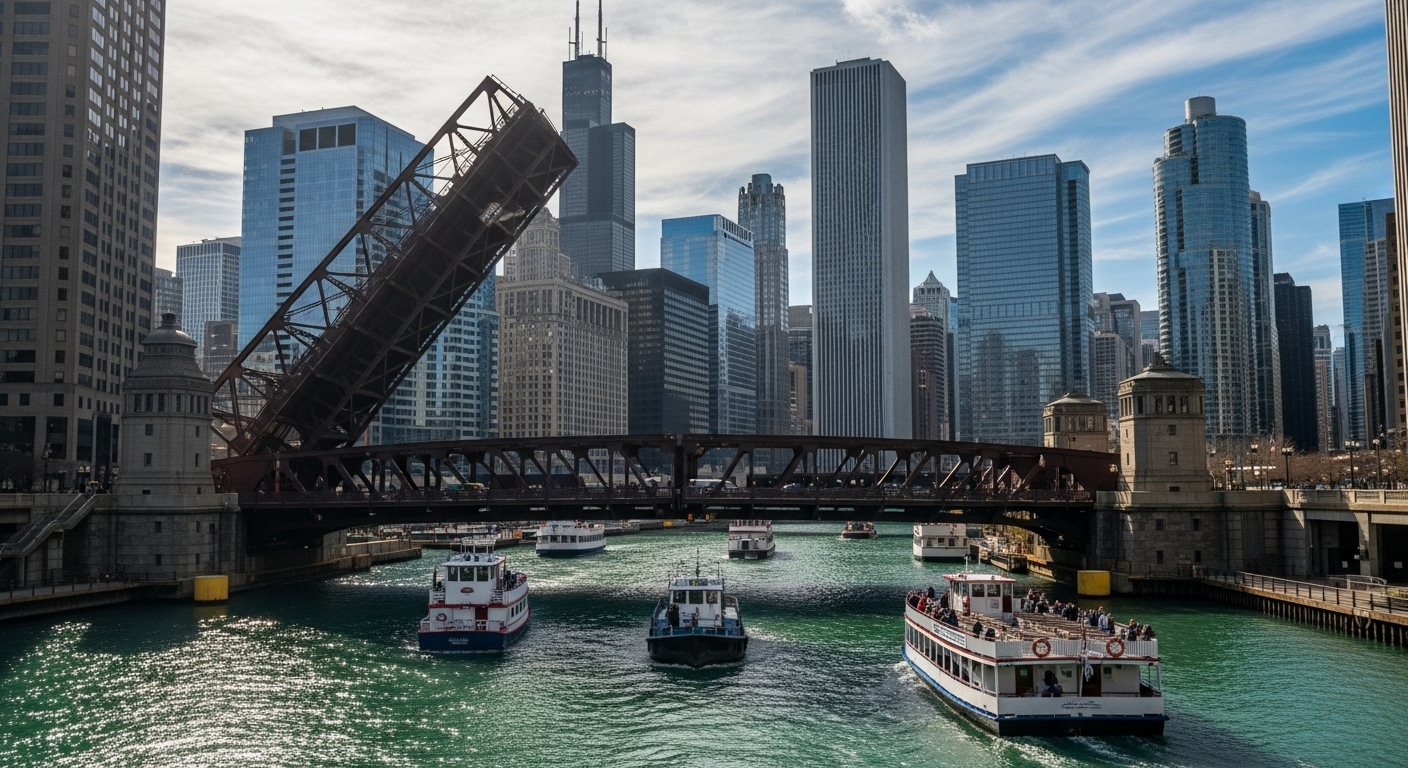
Chicago is another prime example of a city that embraces lift-bridges. Known as the “City of Broad Shoulders,” Chicago’s riverfront features numerous movable bridges, many of which lift to allow sailboats, cargo vessels, and even architectural tours to pass. The Chicago Riverwalk has become a social hotspot where people pause, enjoy riverside cafes, and watch bridges lift and lower in real time.
Lift-bridges in Chicago often function as more than infrastructure—they are social magnets. Families, tourists, and photography enthusiasts gather to witness the synchronized motion. The bridges highlight how industrial needs and urban life can coexist beautifully. Can you picture yourself watching the sunset with a bridge slowly rising in front of you, boats gliding through, and city lights beginning to twinkle? It’s one of those experiences that city dwellers and travelers cherish.
New York City’s Lift-Bridges: A Testament to Urban Innovation
New York City, with its bustling streets and busy waterways, is home to several iconic lift-bridges. Take the Broadway Bridge in Queens or the Hammond Bridge in the Bronx. These bridges not only manage the flow of traffic but also offer unexpected urban performances. Commuters often stop mid-journey to watch massive ferries or sailboats pass underneath.
Isn’t it intriguing that a city as fast-paced as New York allows these brief interruptions? In fact, many locals have stories about watching the bridge lift while sipping coffee or chatting with neighbors. It’s urban life meeting maritime tradition, and it creates a shared experience among people who otherwise might never interact.

Tokyo: Tradition Meets Technology
Japan’s capital, Tokyo, takes the concept of lift-bridges to a futuristic level. With its rivers and waterways dotted with industrial and tourist traffic, cities like Tokyo have lifted the art of movable bridges. The Eitai Bridge and other similar structures are carefully timed to accommodate boats while integrating seamlessly into the city’s transportation grid.
In Tokyo, lift-bridges are not just about functionality—they reflect meticulous planning and high-tech innovation. These pauses in street life become a cultural experience where technology meets human patience. Would you believe that some locals schedule their walks specifically to catch a bridge lifting? It’s not just about transportation—it’s a rhythm of city life.
Rotterdam: A Waterfront Symphony
Rotterdam, known for its modern architecture and extensive port, is a city where lift-bridges are both practical and aesthetic. The Erasmus Bridge, often referred to as “The Swan,” lifts periodically to allow massive ships to pass. The sight is mesmerizing: traffic pauses, pedestrians freeze in place, and the cityscape reflects in the water below.
What makes Rotterdam’s bridges unique is how they integrate into the urban skyline. Tourists and locals alike marvel at the interplay between static architecture and moving elements. Lift-bridges here are not interruptions—they are central to the city’s identity. Have you ever visited a place where architecture, engineering, and daily life blend so seamlessly? Rotterdam makes it possible.
London: Heritage Meets Motion
In London, the Thames River is home to several iconic lift-bridges. Tower Bridge is the most famous example, lifting to let tall ships through while tourists and locals watch in awe. The bridge isn’t just a tourist attraction—it’s a part of daily London life. Commuters occasionally pause mid-route to catch a glimpse of history in motion, witnessing an engineering marvel still fully operational after over a century.
These experiences provoke an important question: how do cities balance heritage, functionality, and urban pace? London shows that it is possible to create urban spaces where time temporarily pauses, offering residents a rare opportunity to step back and appreciate both history and engineering.
Practical Tips for Experiencing Lift-Bridges
If you’re planning to explore these fascinating structures, consider these tips:
- Check the bridge schedule: Some lift-bridges operate on fixed schedules, while others respond to river traffic demands.
- Arrive early: Whether you’re a photographer or just curious, arriving early gives you a front-row experience.
- Engage with locals: Residents often have the best stories and tips about the bridges.
- Use public transport: Many cities offer riverside transport or cycling paths that enhance your lift-bridge experience.
By incorporating these simple strategies, your visit to cities with lift-bridges that pause street life will be more than sightseeing—it will be an interactive urban adventure.

Why Lift-Bridges Captivate Our Imagination
It’s fascinating that these bridges have become more than mere infrastructure—they are social catalysts. Cities with lift-bridges that pause street life remind us that urban spaces are living entities. They create moments of reflection, photo opportunities, and shared experiences among strangers. Isn’t it amazing how a simple act of lifting a bridge can momentarily alter the rhythm of a city?
Imagine standing by a bridge, camera ready, when a boat passes below and traffic halts. People around you pause, conversations drop, and a collective moment emerges. That’s the charm of these engineering marvels: they pause street life while celebrating maritime movement. In a way, lift-bridges teach us patience and appreciation for urban coordination.
Future of Lift-Bridges
With urban expansion, increased river traffic, and smart city planning, lift-bridges are evolving. Cities are integrating sensors, real-time alerts, and advanced scheduling to minimize traffic disruption. Imagine a future where bridges communicate with vehicles, bicycles, and even pedestrians to create a seamless flow. While the technology may change, the magic of pausing urban life for a fleeting moment is likely to remain.
Have you ever thought about how cities might look if all bridges became lift-bridges, momentarily stopping traffic but creating mesmerizing experiences? It’s a fascinating thought experiment. What cities do you think could benefit from such an approach?
Share Your Experiences!
We want to hear from you! Have you ever visited cities with lift-bridges that pause street life? Which bridge left the strongest impression on you? Share your experiences in the comments below. Your stories could inspire fellow readers to explore these incredible urban landscapes.
Don’t forget to follow WentWorld on our social media platforms to stay updated on exciting urban explorations, travel guides, and hidden city wonders. Every city has stories waiting to be discovered—make sure you don’t miss any!
Focus Keyphrase for SEO: cities with lift-bridges that pause street life
Catch up on the top stories and travel deals by subscribing to our newsletter!