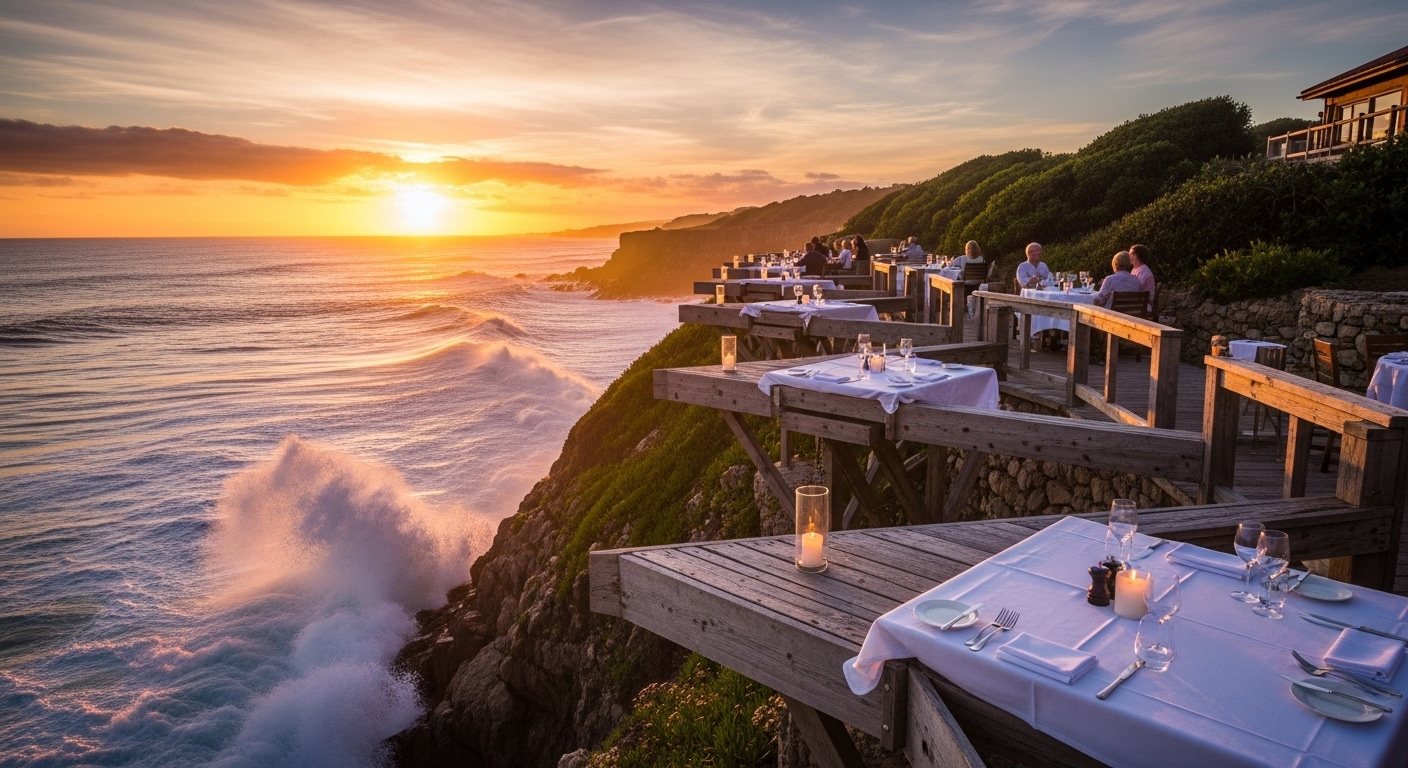
Imagine a dining experience where the waves crash directly beneath your feet, seabirds glide alongside, and every gust of wind carries the scent of salt and freedom. Cliff-carved restaurants over the sea combine natural beauty with culinary adventure, offering meals that are unforgettable long before the first bite.
These restaurants are feats of both architecture and courage. Carved into cliffs, built on stilts, or suspended over sheer drops, they provide panoramic views that rival any luxury resort. For travelers and food enthusiasts, the thrill of eating on the edge is as much a part of the experience as the food itself.
Have you ever wondered what it feels like to dine where land meets sky, and every meal comes with a free dose of adrenaline?
Why Cliff-Carved Restaurants Are So Unique
Unlike traditional seaside dining, cliff-carved restaurants demand ingenuity. Architects and engineers work with the natural contours of rock faces, sometimes carving dining rooms directly into cliffs or suspending terraces above the water. Every platform is carefully designed for safety while maximizing ocean views.
The combination of natural drama and culinary art creates a rare multisensory experience. Diners enjoy the sound of waves, the movement of tides, and the cool sea breeze, all while savoring meticulously prepared meals. In these restaurants, the environment is as important as the menu.
Famous Cliff-Carved Dining Destinations
Some destinations have become iconic for cliff-side dining. In Santorini, Greece, restaurants perch atop volcanic cliffs, offering sunset views over the Caldera. Platforms are often accompanied by terraced gardens, local wines, and Mediterranean flavors, making each meal a full cultural immersion. Travel resources like Visit Greece provide guides for the best cliff-top experiences.
Italy’s Amalfi Coast features restaurants carved into cliffs overlooking the Tyrrhenian Sea. From Positano to Ravello, these terraces blend seamlessly with lemon groves and pastel buildings. Visitors can explore nearby towns before or after dining, adding a journey to the culinary adventure.
In Asia, Bali’s cliff-top restaurants offer a mix of tropical ambiance and daring architecture. Suspended decks provide views of surf and sunset, while chefs prepare fresh seafood and traditional dishes. Platforms are designed with safety in mind, yet the thrill of height remains.
The Thrill of Dining on the Edge
Cliff-carved restaurants combine sensory wonder with mild adventure. The vertical drop below adds excitement, while panoramic vistas provide serenity. Many diners report that their awareness sharpens — every bite, scent, and sound becomes more vivid. Eating becomes both mindful and exhilarating.
Moreover, these restaurants often encourage slow dining. With such views, rushing a meal feels almost disrespectful. Diners pause to watch waves, photograph sunsets, and savor the environment along with their food.
Architectural and Engineering Marvels
Constructing a cliff-carved restaurant requires a balance of innovation, safety, and respect for the natural environment. Builders must account for tides, erosion, wind, and earthquakes in some regions. Many platforms use reinforced concrete, steel frameworks, or cantilevered terraces to achieve stability.

For example, some cliff-top restaurants along the Portuguese coast employ stilts anchored deep into the rock, allowing portions of the dining area to hover above the ocean. In Japan, cliff-side izakayas combine traditional aesthetics with modern engineering, providing both beauty and stability. Guides like Japan Travel highlight these architectural wonders for visitors.
Food and Experience: A Perfect Pairing
Cliff-carved restaurants often emphasize locally sourced cuisine. Mediterranean restaurants serve fresh seafood, olive oils, and regional wines. Bali restaurants highlight tropical fruits, fish, and spices. In Japan, sushi and tempura are paired with breathtaking ocean views.
The environment enhances flavor perception. Studies suggest that scenic views can improve enjoyment and satisfaction. On a cliff, with waves below, diners perceive meals as richer and more memorable.

Safety Considerations
Despite the thrill, safety remains paramount. Restaurants follow strict building codes and provide guardrails, secure platforms, and trained staff. Many locations restrict access in extreme weather to protect guests and staff. Travelers should follow all safety instructions while embracing the unique experience.
Travel Tips for Visiting Cliff-Carved Restaurants
Planning a visit requires timing and preparation. Arriving during sunset often provides the most stunning views. Making reservations ensures seating on the best terraces. Airlines such as Emirates and Qatar Airways connect travelers to destinations with these extraordinary restaurants.
Exploring nearby hiking trails or coastal towns can enhance the experience. Remember to dress appropriately for height and wind conditions, and bring a camera — the views are truly photogenic.
Cliff-carved restaurants combine adventure, architecture, and gastronomy in ways few other experiences can. They remind diners that eating is not just about food; it is about context, environment, and emotion. The thrill of a sheer drop below, the panoramic horizon, and the sound of the sea create an immersive experience.
Would you try dining on the edge of a cliff? We’d love to hear your thoughts and know which destination you’d choose first.
For more stories about extraordinary dining and travel experiences, follow WentWorld on our social media platforms and stay inspired for your next adventure.
Catch up on the top stories and travel deals by subscribing to our newsletter!