Arboreal villages: tree-linked walkways between homes sound like something out of a fantasy novel, but they are very real, and they are quietly changing how we imagine communities. Instead of roads, there are wooden bridges. Instead of traffic, there are birds. Instead of concrete walls, there are tree trunks and leaves framing everyday life.
In these villages, people walk from one home to another without ever touching the ground. Homes are built among branches, connected by suspended paths that sway gently in the wind. The result is a lifestyle that feels closer to nature, slower, more mindful, and surprisingly practical. Would you feel safer walking above the forest floor, or would it challenge everything you know about comfort and stability?
At WentWorld.com, we are fascinated by places that blur the line between imagination and reality. Arboreal villages: tree-linked walkways between homes represent a new kind of travel story. One where architecture does not dominate nature, but adapts to it. One where communities grow vertically instead of horizontally.
What Exactly Are Arboreal Villages?
Arboreal villages are communities built in and around trees, often elevated above the ground. The defining feature is the network of walkways linking one home to another. These walkways can be made of wood, rope, steel, or bamboo, depending on location and climate.
The concept is not entirely new. Indigenous cultures have lived in tree-based structures for centuries, especially in rainforests where elevation offers protection from floods, animals, and insects. What is new is the modern reinterpretation of these ideas, combining engineering, sustainability, and tourism.
Instead of cutting down trees, builders work around them. Trees become pillars, foundations, and even part of the interior design. Living spaces adapt to natural shapes rather than forcing straight lines. Does modern architecture need to be rigid, or can it be organic?
Why Tree-Linked Walkways Matter
The walkways are not just practical paths; they are the heart of arboreal villages: tree-linked walkways between homes define how people interact. Neighbors greet each other on narrow bridges. Children run along suspended planks instead of sidewalks. Every movement feels intentional.
There is also a psychological shift. Being elevated changes perception. You see sunsets through leaves instead of buildings. You hear wind instead of engines. Over time, residents often report feeling calmer and more connected to their surroundings.
Have you ever noticed how environment shapes your mood? Imagine waking up every day surrounded by branches instead of walls.

Famous Real-World Examples
One of the most well-known examples is the Finca Bellavista in Costa Rica. This eco-community is built entirely in the rainforest canopy, with homes connected by hanging bridges. Residents use harness systems and rope bridges to move between structures.
Costa Rica has become a leader in sustainable tourism, supported by airlines like Copa Airlines and eco-resorts across the country. Finca Bellavista attracts travelers who want to experience life above ground without sacrificing comfort.
Another remarkable example is in Papua New Guinea, where traditional Korowai tribes have lived in tree houses for generations. Their structures can reach up to 40 meters high. The purpose was safety, but the result is one of the most extraordinary living systems in the world.
These communities were studied by organizations like National Geographic, which highlighted how tree-based living creates strong social bonds and efficient use of space.
Modern Arboreal Design and Engineering
Modern arboreal villages rely on advanced engineering. Weight distribution is carefully calculated to avoid stressing trees. Materials are lightweight but durable. Flexible joints allow movement without damage.
Architects now use digital modeling to simulate how trees will grow over time. Walkways adjust as branches expand. Homes are built with modular components so they can be removed or altered without harming the environment.
Organizations like ArchDaily regularly publish designs inspired by arboreal architecture, showing that this concept is influencing mainstream urban planning.
Living Without Roads
One of the most radical aspects of arboreal villages: tree-linked walkways between homes is the absence of roads. There are no cars. No traffic lights. No parking spaces.
Everything is walkable, but in three dimensions. Supplies are often delivered via pulley systems or drones. Some communities use cable lifts for heavy items. This forces a rethinking of consumption and waste.
Would you buy fewer things if every object had to be carried by hand through a forest?
Environmental Benefits
Arboreal villages offer significant environmental advantages. They reduce land disruption. They preserve ecosystems. They encourage renewable energy use like solar panels and rainwater harvesting.
Because they rely on existing trees, carbon footprint is lower than traditional construction. Many communities generate their own electricity and manage waste locally.
According to World Wildlife Fund, low-impact living models like these are essential for future sustainability, especially as urban populations continue to grow.
Challenges and Realities
Despite their beauty, arboreal villages are not easy. Maintenance is constant. Weather can be unpredictable. Safety requires strict guidelines.
Living above ground also demands physical fitness. Stairs and bridges replace elevators. Residents must adapt to humidity, insects, and limited privacy.
Yet for many, these challenges are part of the appeal. They create a sense of participation rather than passive living.

Emotional Experience of Elevated Life
Living in an arboreal village changes how people think. Time feels slower. Conversations last longer. Silence becomes comfortable.
People often describe a sense of being guests in nature rather than owners. You do not dominate the environment; you share it.
Have you ever wondered what it would feel like to live inside a forest instead of next to it?
The Future of Arboreal Communities
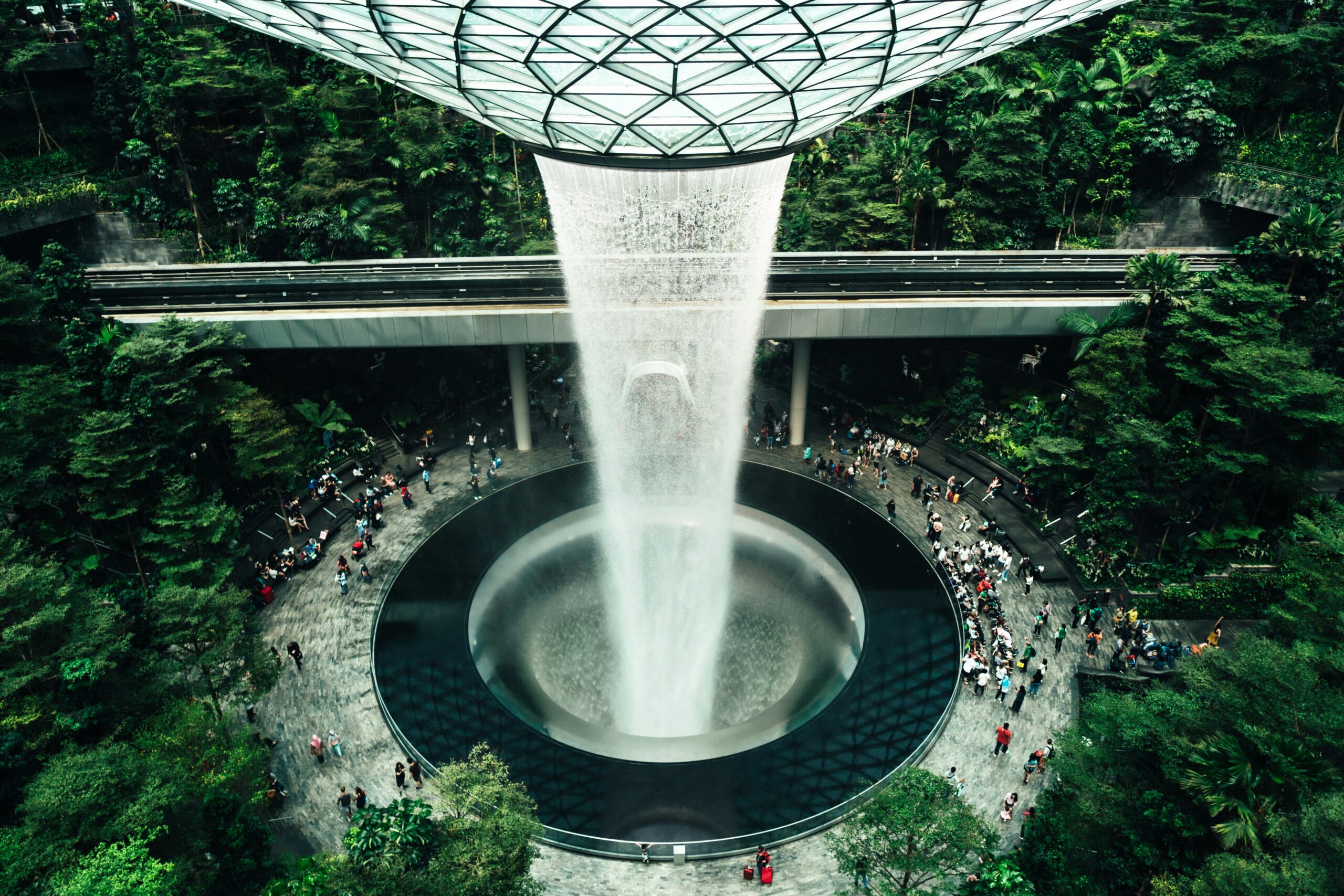
Urban planners are now experimenting with tree-linked infrastructure in cities. Elevated green walkways are appearing in places like Singapore and Tokyo.
While not full arboreal villages, these projects reflect the same philosophy: reconnect humans with vertical ecosystems.
Universities and research centers such as MIT are studying how vertical communities can reduce stress, improve mental health, and lower environmental impact.
Why Arboreal Villages Matter Now
As cities become denser and environmental concerns grow, arboreal villages: tree-linked walkways between homes offer a glimpse into an alternative future.
They challenge the assumption that progress must mean more concrete and less nature. Instead, they suggest progress can mean smarter integration.
These villages are not about escaping society. They are about redesigning it.
At WentWorld.com, we believe stories like this matter because they show that innovation does not always mean invention. Sometimes it means remembering what humans forgot: how to live with nature instead of above it.
Would you ever consider living in a tree-connected community? What would excite you most, and what would scare you? Share your thoughts with us and be part of the conversation.
Follow WentWorld.com on our social media platforms to keep discovering rare places, radical ideas, and stories that reshape how we see the world.
Catch up on the top stories and travel deals by subscribing to our newsletter!