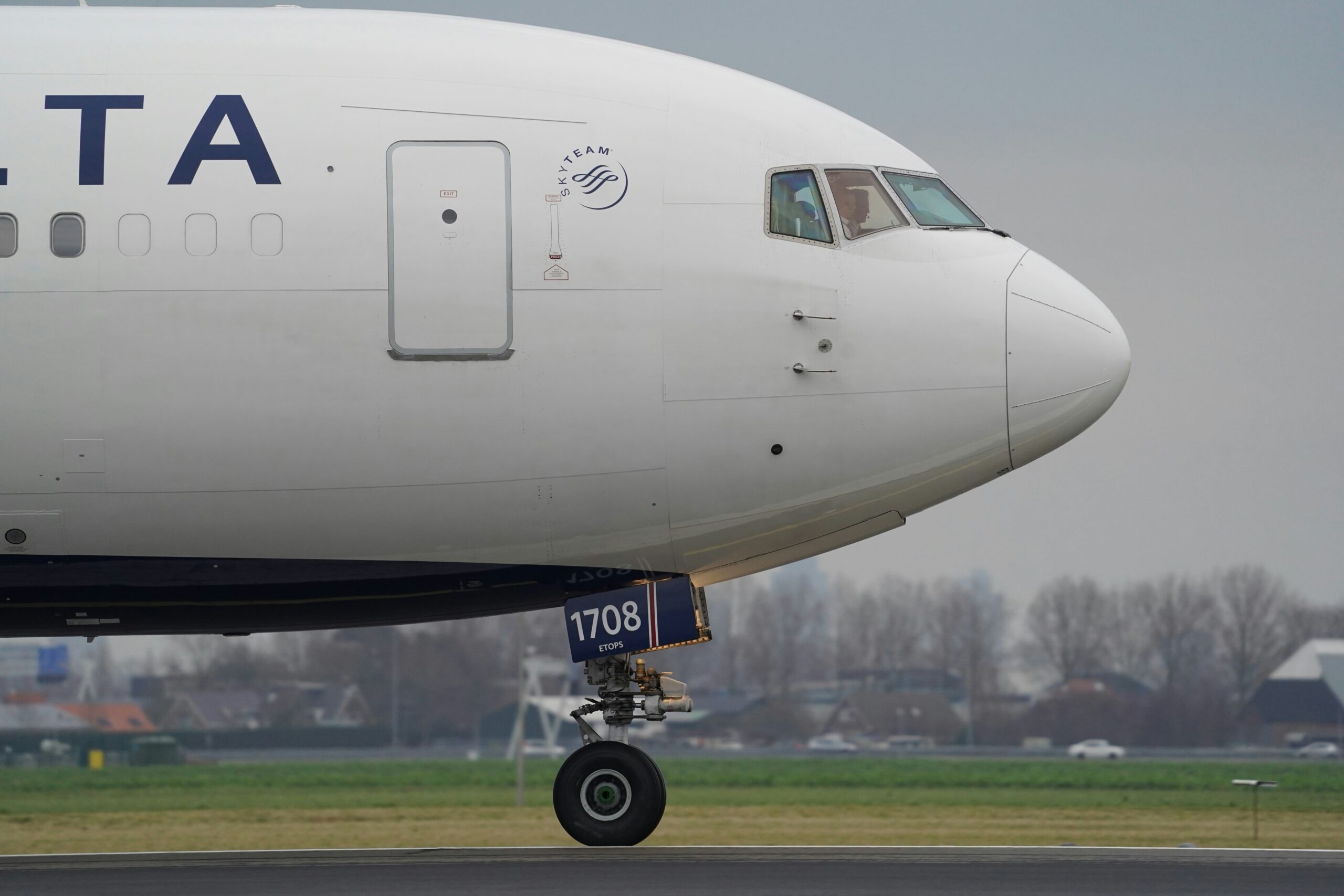
As global travel stabilizes, Delta Air Lines positions itself for accelerated earnings growth through premium demand. Moreover, Delta Air Lines expects nearly twenty percent profit growth in 2026. Consequently, the airline focuses on affluent travelers and expanding international capacity. Additionally, Delta Air Lines strengthens its strategy through long-haul fleet investments. Therefore, the carrier aims to outperform rivals during uneven economic recovery.
Meanwhile, economic conditions continue to split consumer behavior across income groups. As a result, higher-income travelers continue spending confidently on premium air travel. However, budget-conscious passengers reduce discretionary travel spending. Thus, Delta Air Lines benefits from resilient premium cabin demand. Consequently, the airline prioritizes services that deliver higher margins.
Furthermore, premium seating, loyalty programs, and credit partnerships now drive most revenue growth. Notably, these offerings generate stable income beyond ticket sales. Therefore, Delta Air Lines reduces exposure to volatile economy fares. Moreover, this revenue mix supports predictable cash generation during uncertainty.
At the same time, international travel demand supports Delta’s premium strategy. Consequently, strong bookings on long-haul routes boost overall yields. However, recovery remains uneven across specific global markets. Nevertheless, upcoming global events encourage inbound travel momentum. Thus, Delta Air Lines prepares capacity to capture future demand.
In contrast, economy cabin performance reflects consumer caution. As a result, standard ticket revenue continues to soften. However, premium revenue growth offsets this weakness. Therefore, Delta Air Lines maintains overall revenue stability. Moreover, this divergence highlights structural changes within airline demand patterns.
Additionally, Delta strengthens its long-term position through fleet diversification. Consequently, the airline orders new Boeing 787 aircraft for future delivery. Moreover, these jets support efficient operations on medium-range international routes. Therefore, Delta Air Lines gains flexibility across transatlantic and South American markets.
At the industry level, competitive pressure intensifies for low-cost carriers. As a result, consolidation reshapes the airline landscape. Meanwhile, Delta Air Lines avoids these pressures through its premium-led approach. Consequently, diversified revenue streams protect profitability.
Ultimately, Delta Air Lines combines premium focus, global expansion, and fleet planning into a cohesive growth strategy. Therefore, the airline enters 2026 with confidence despite economic uncertainty. Moreover, continued investment in high-value travelers positions Delta for sustained leadership.
Related stories:
Catch up on the top stories and travel deals by subscribing to our newsletter!