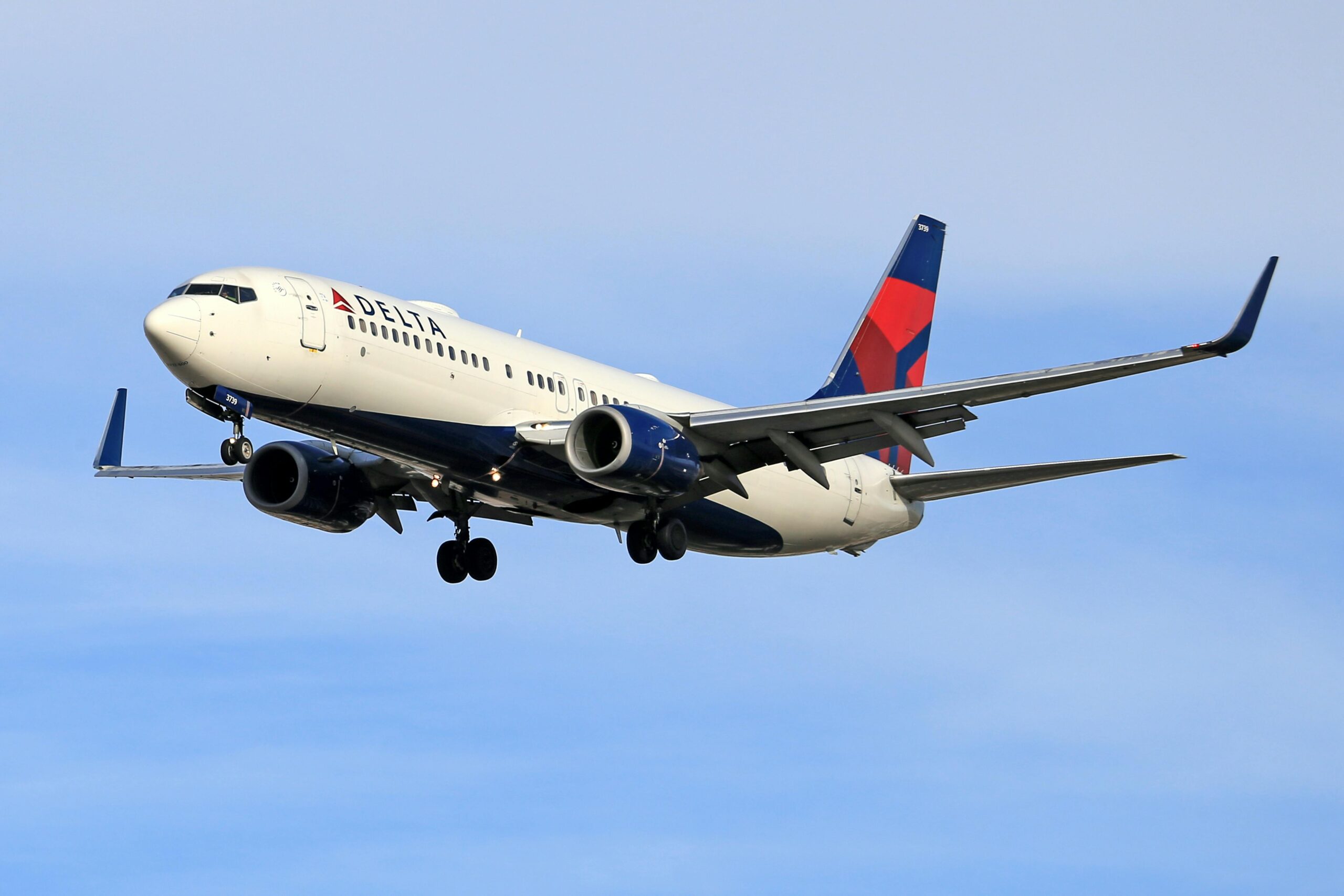
Delta is reshaping air travel as it rolls out AI-powered pricing across domestic routes. This week, the airline began using artificial intelligence to personalize fares on thousands of seats. As a result, Delta expects to shift 20% of its U.S. flights to this system by year-end.
For years, travelers used calendars and tools to find smart deals. However, Delta’s system changes that completely. Now, prices will shift in real time based on user demand and behavior. Therefore, you may not see the same price someone else does for the same seat.
Moreover, this approach makes planning harder for flexible and budget travelers. Delta’s algorithm tailors each fare to what it believes you’ll pay. Consequently, many travelers may skip third-party sites and book directly. External tools like Expedia or Google Flights might not reflect these tailored prices anymore.
In fact, Delta’s AI tool comes from an Israeli startup using live booking and demand data. Furthermore, it constantly adjusts pricing based on route performance, time, and traveler interest. Thus, the airline responds faster to shifts without upsetting customers.
Even so, concerns over fairness and privacy are growing. For example, travelers now ask if location, device, or income affects fare offers. Because of this, digital ethics must take center stage in future implementations.
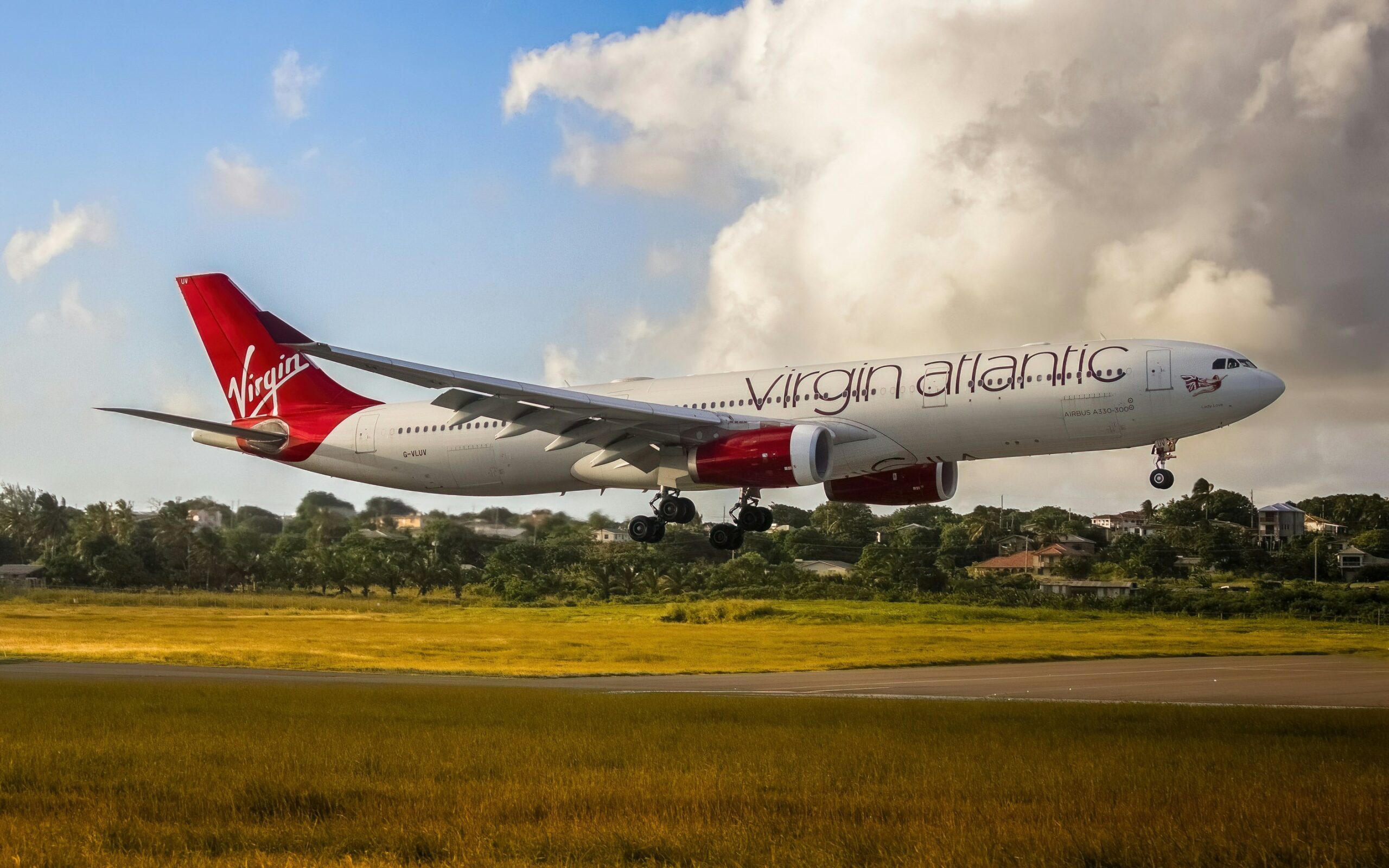
Additionally, the ripple effect has already begun. Airlines like AirAsia and Virgin Atlantic are testing similar systems worldwide. Unless rivals catch up quickly, they risk falling behind. Consequently, travel agencies may need to access real-time APIs or risk losing their edge.
Overall, Delta has triggered a major change in travel pricing. Thanks to algorithms, airfares are now dynamic, personal, and unpredictable. Eventually, “one price fits all” will become a thing of the past.
Related stories:
Catch up on the top stories and travel deals by subscribing to our newsletter!