In an age where travel gets expensive fast, some smart cities and regions stand out by offering free public transport to visitors. Imagine hopping on trams, buses, and trains without digging into your wallet—or even tap-on/tap-off payments—while exploring museums, markets, and parks. This guide highlights destinations where free public transport isn’t just a perk, but a game changer, sparking new itineraries and sustainable adventure.
We explore why places offer this benefit, which transit types are included, how to access passes, and insider tips for using them wisely. From European heritage towns to modern green cities and island escapes, these destinations redefine convenience. Let’s uncover where your next hassle-free transit adventure awaits—with free public transport guiding the way.
1. Luxembourg City, Luxembourg
Luxembourg made global headlines in 2020 by becoming the first country to introduce nationwide free public transport—covering trains, trams, and buses. Whether you’re standing in Luxembourg City’s Grand-Rue or heading to picturesque villages like Vianden, you board without buying a ticket. It’s seamless: just step on, step off, enjoy. This initiative not only boosts tourism but also eases urban congestion and carbon emissions.
To make the most of it, grab a city map at the station, note schedules for local rail connections, and check out heritage sites like Bock Casemates or the National Museum of History and Art, all reachable with minimal effort—zero transit cost.
2. Tallinn, Estonia (Partially Free)
While Tallinn offers free public transport to registered residents, tourists can qualify by purchasing the Tallinn Card. This pass includes all buses, trams, and trolleys within city limits, plus free museum access and castle tours. For a day or two of exploration, it’s a smart investment—especially if you enjoy hopping between Kadriorg, Old Town, and Tallinn Zoo without extra transport costs.
Look for the Tallinn Card at airport counters or online before arrival. It allows unlimited travel within the city area and includes tram rides to Pirita beach and district 1 suburbs.
3. Dunkirk (Dunkerque), France
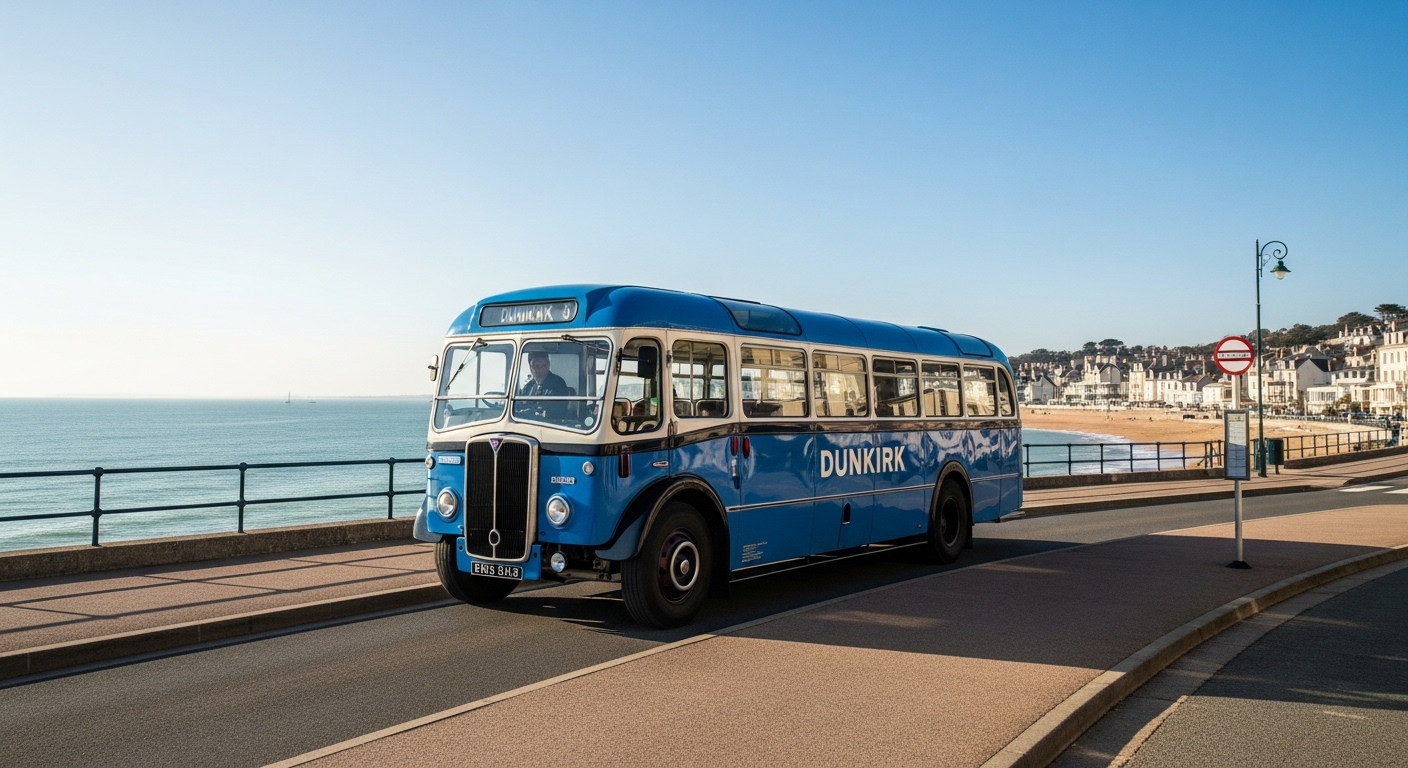
In Dunkirk, local buses falling within Zone 1 are entirely free all year round—an excellent example of municipal-level free public transport. Visitors can access ferries, trams, and buses without charge within the core urban zone, making beach days and historic site visits efficient and budget-friendly.
Free rides even extend to the coastal tramway to Malo-les-Bains and link directly with train services to Lille, ideal for exploring northern France affordably.

4. Chengdu, China (Yangtze Trams)
Chengdu has made landmarks like Tianfu Square and Jinli Ancient Street more accessible by offering free public transport on selected tram lines. These modern, air-conditioned trams connect major cultural sites, giving tourists a rapid, hassle-free way to explore downtown without needing taxis or private cars.
Look for the Yangtze Tram Day Pass at ticket counters. Popular during peak travel seasons, this green transit model aids traffic control and boosts local commerce around stations.
5. Canberra, Australia
Australia’s capital offers a city-wide free public transport service on its central buses and light rail routes within the “Free Intertown Services” zone. Tourists can ride between Parliament House, Canberra Centre, and the National Museum without paying a cent.
Bus stops and light rail stations clearly show zone limits—simply hop on and stay within the guide area. It’s an excellent model of sustainable city transit for newcomers.
6. Helsinki, Finland (Seasonal Passes)
Helsinki offers promotional free public transport passes during special events or festivals such as Helsinki Design Week and Helsinki Pride. The city adds temporary transit cards valid for all trams, buses, and commuter trains during those event days. Tourists often gain free rides when visiting during these periods—check local cultural calendars.
Event info and passes are available via Visit Helsinki or event organizers online. Though temporary, it’s a great way to experience the city’s efficient network without the fare barrier.
7. Dubai, UAE (Al Sufouh Tram)
Dubai provides free public transport on its Al Sufouh Tram line between Palm Jumeirah and Dubai Marina. Tourists use the tram to visit attractions like The Palm, Marina Walk, and Bluewaters Island for no fare. It’s part of the city’s larger initiative to encourage public transport use among residents and visitors.
Look for complimentary Nol cards at stations; within coverage zones, there’s no fare for this tram service.
8. Kuala Lumpur, Malaysia (KL City Free)
Kuala Lumpur offers the KL City Free Bus, a network of double-decker green buses circulating through Bukit Bintang, Chinatown, and the Masjid Jamek area—completely free public transport within the central zone. Designed explicitly for tourists, it links major shopping, dining, and cultural sites at no cost.
Just wave at the bus entering any stop—no booking, no ticket. Route maps are available at info hubs and onboard.

9. Portland, Oregon, USA (Fareless Square)
Portland previously implemented “Fareless Square”—a downtown free transit zone covering streetcars, buses, and the MAX light rail. Although officially discontinued in 2012, efforts continue to reintroduce similar zones. However, currently, select tour buses and heritage streetcars offer fee-free rides through central Portland—effectively reinstating free public transport in pockets.
Visitors should check Tram and Streetcar websites for current fareless promotions during festivals or weekends.
10. Luxembourgish Cross-border Connections
Luxembourg City’s free public transport extends across borders to cities like Trier (Germany) and Arlon (Belgium) up to certain zones. This makes weekend trips easy for tourists wanting to experience Franco-German-Belgian frontier life without spending on fares.
Trains and buses marked CFL cross-border zones are included—check maps to stay in the covered areas.
Why Cities Offer Free Public Transport
Implementing free public transport supports tourism, eases congestion, reduces pollution, and boosts local economies around car-free zones. For tourists, it removes friction, enhances spontaneity, and encourages exploration beyond core attractions.
How to Access these Services
- Foreign tourists benefit directly in fully free destinations—just board and go.
- In partly free regions, purchase city tourism cards (Tallinn Card, Dubai’s Nol pass for Al Sufouh, Helsinki event passes).
- Look for clear signage—most systems mark “free zone” stops or issue stickers on vehicles.
- Ask local info centres or accommodation desks—they often hand out passes on request.
Tips for Riding Free Public Transport Wisely
- Plan routes ahead: Even free, check maps to avoid valueless rides.
- Respect local rules: Stand clear of priority seats and avoid rushing when boarding.
- Use photo ID: Some passes require showing a passport or card during random checks.
- Time your journey: Frequency varies—Luxembourg’s intercity trains run less often on weekends.
- Extend exploration: Combine free transit with walking tours for deeper insights.
Benefits and Drawbacks
- Advantages: Cost-saving, easy planning, greater mobility.
- Drawbacks: Limited zones, occasional crowding during peak events, less frequency in off-season.
- Pro tip: When free cover ends, consider daily local tickets.
When planning your next trip, destinations offering free public transport provide both practical savings and unanticipated discoveries—whether exploring museum districts, sampling street food, or day-tripping across borders. Keep this guide handy when choosing your next vacation spot and enjoy moving freely—literally—and exploring deeper.
Where would you ride for free first? Tell us below—and follow us for more travel hacks that keep your journey smart, sustainable, and stress-free!
Catch up on the top stories and travel deals by subscribing to our newsletter!