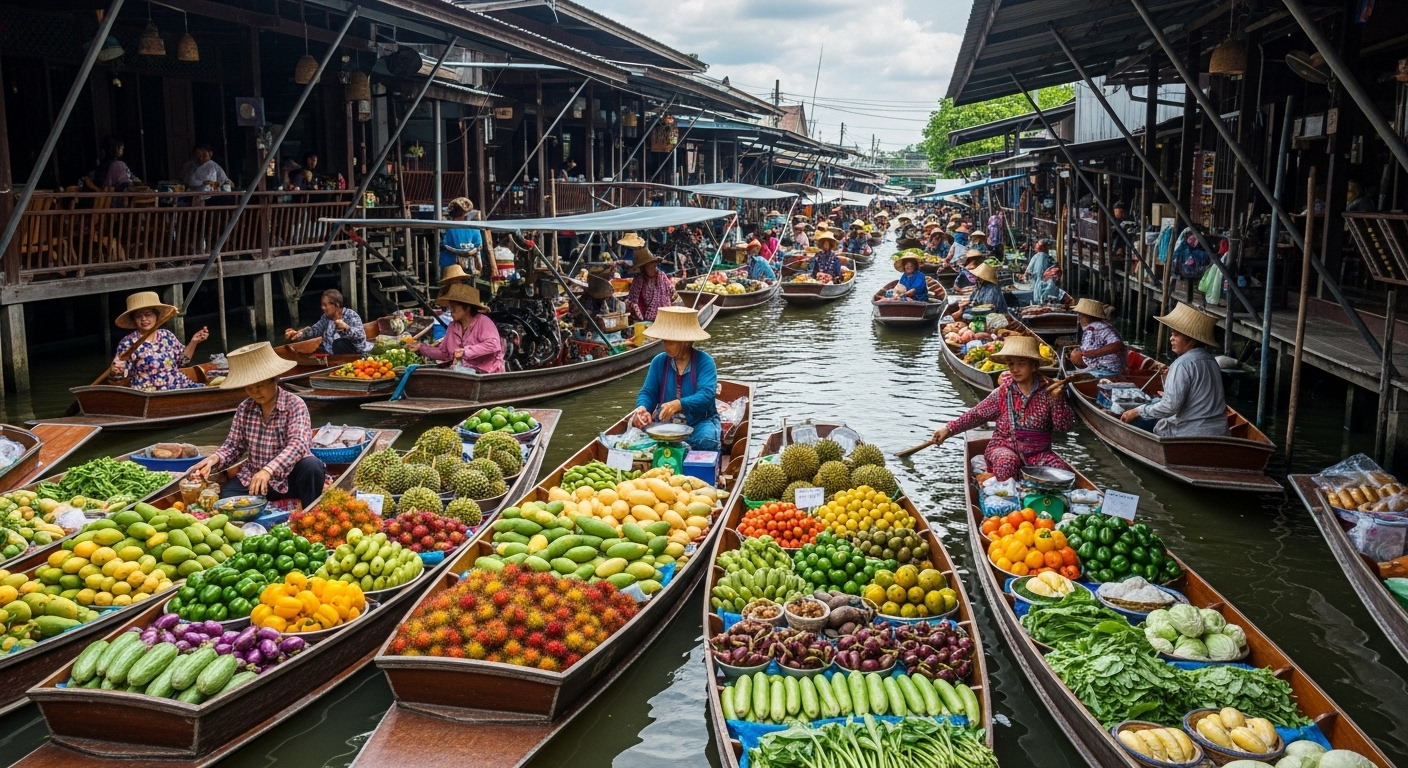
Imagine a world where fresh fruits, vegetables, spices, and handmade goods aren’t stocked in massive fluorescent-lit aisles, but sold in bustling streets, vibrant squares, and colorful markets. For travelers seeking authentic experiences, understanding countries where local markets replace supermarkets can transform the way you explore food, culture, and daily life.
Shopping in local markets isn’t just about buying groceries — it’s about discovering traditions, meeting artisans, tasting flavors you won’t find packaged, and witnessing the rhythm of everyday life. Let’s take a journey around the world to see which countries prioritize local markets over large supermarkets and how you can make the most of these experiences.
Why Local Markets Matter
Local markets have been the heart of communities for centuries. They offer more than products — they provide cultural insight and social connection. In many countries, supermarkets exist, but locals still prefer markets because they:
- Offer fresh, seasonal, and often organic produce.
- Support local farmers and artisans.
- Encourage bargaining and personal interaction.
- Preserve culinary traditions and regional specialties.
- Create lively community hubs that reflect the area’s culture.
For travelers, shopping in a local market is also a sensory adventure — from vibrant colors and fragrant spices to the sounds of street vendors and the warmth of locals welcoming you. So, are you ready to explore these countries where markets rule?
1. Thailand – Floating and Street Markets
Thailand is famous for its lively markets. From Bangkok’s Chatuchak Weekend Market to the floating markets in Damnoen Saduak and Amphawa, markets dominate daily life. Locals rarely rely on supermarkets because fresh produce, seafood, and prepared meals are available in every neighborhood. Walking through a Thai market is an explosion of smells, colors, and flavors — and sampling street food while shopping is practically mandatory.
2. Morocco – Souks and Open-Air Markets
In Morocco, supermarkets exist in major cities, but souks and open-air markets are the preferred choice for locals. Marrakech, Fes, and Essaouira are filled with labyrinthine alleys selling spices, textiles, ceramics, and fresh produce. Bartering is part of the experience, and you quickly realize that shopping here is as much about connection as it is about purchase.
3. India – Street Markets and Bazaars
India’s vibrant markets replace supermarkets in nearly every city and town. From Delhi’s Chandni Chowk to Jaipur’s Johari Bazaar, markets are packed with vegetables, spices, handicrafts, and sweets. Local vendors offer personalized service, and many families buy daily produce here rather than stocking up at a supermarket. Visiting these markets is a feast for the senses and a deep dive into Indian culture.
4. Mexico – Tianguis and Local Markets
In Mexico, tianguis — temporary markets set up in neighborhoods — and permanent mercados are central to everyday life. Here, you can find fresh tortillas, handmade cheeses, chili varieties, and vibrant fruits. Even in big cities like Mexico City, locals often prefer these markets over supermarkets for freshness, price, and the chance to support small producers. It’s also a great way to learn about Mexican culinary traditions firsthand.
5. Turkey – Bazaars and Farmers Markets
Turkey’s markets, or pazarlar, dominate weekly life. From Istanbul’s Grand Bazaar to local farmers markets in small towns, Turks often buy fruits, vegetables, bread, and cheese here instead of supermarkets. Markets offer variety, freshness, and interaction with the sellers — a lively and cultural experience unlike shopping in a modern store.

6. Vietnam – Wet Markets and Street Vendors
Vietnamese wet markets, like Ben Thanh Market in Ho Chi Minh City or Dong Xuan Market in Hanoi, are bustling hubs of daily shopping. Supermarkets exist but locals prefer markets for fresh fish, herbs, and vegetables. Street vendors selling bánh mì, fresh fruit, and local delicacies make the experience vibrant and immersive. Traveling here for the markets offers a glimpse into the daily rhythm of life in Vietnam.
7. Italy – Farmers Markets and Local Food Markets
Italy’s markets remain central to life in cities and towns. Markets like Campo de’ Fiori in Rome or Mercato Centrale in Florence offer fresh pasta, cheeses, vegetables, and seafood. Many Italians still prefer shopping daily at these markets for freshness and quality. Traveling to Italy’s markets is not just about buying ingredients — it’s about tasting, smelling, and experiencing Italian culture directly.
8. Peru – Open-Air Markets and Artisan Stalls
Peru’s open-air markets are a staple of daily life, particularly in cities like Cusco or Lima. Locals buy fresh produce, grains, and traditional foods at neighborhood markets. Artisan stalls sell handmade textiles, pottery, and jewelry. Markets are more than shopping spots — they’re cultural hubs reflecting Peru’s heritage and community life.

9. Indonesia – Pasar Tradisional
In Indonesia, traditional markets (pasar tradisional) dominate local shopping, especially on the islands of Java and Bali. Supermarkets exist but are usually used by tourists or for convenience. Locals buy fresh fish, spices, rice, and daily necessities from markets. Visiting these markets provides a deeper understanding of Indonesian culture, flavors, and everyday life.
10. Egypt – Souks and Traditional Markets
Egyptian souks, like Khan el-Khalili in Cairo, replace modern supermarkets for many locals. Vendors sell spices, fresh produce, bread, and handmade goods. Shopping here is interactive — expect lively bargaining, local tea, and the chance to engage directly with sellers. Markets are deeply rooted in Egyptian culture and offer travelers an authentic shopping experience.
Tips for Travelers Exploring Local Markets
- Carry cash, especially small denominations, as many vendors don’t accept cards.
- Go early for fresh produce and fewer crowds.
- Don’t hesitate to taste or try samples — it’s part of the experience.
- Practice polite bargaining — it’s expected in many markets.
- Bring a reusable bag — sustainability is appreciated.
Have you visited a market that completely replaced the supermarket experience for you? Or perhaps you discovered unique foods, handmade crafts, or local traditions you couldn’t have experienced anywhere else? Share your experiences in the comments below — we’d love to hear your stories!
Exploring countries where local markets replace supermarkets is more than a shopping trip — it’s cultural immersion. Markets let travelers experience flavors, crafts, and traditions in a way that big stores simply cannot. They offer connection, authenticity, and a vibrant slice of daily life. So next time you travel, leave the supermarkets behind and dive into a market — your senses (and your Instagram feed) will thank you!
Follow us on our social media platforms for more countries where local markets replace supermarkets, travel inspiration, cultural experiences, and local adventures from around the world.
Catch up on the top stories and travel deals by subscribing to our newsletter!