
Where to experience traditional fishing cultures is a question more travelers are beginning to ask as they search for deeper, more meaningful journeys. Instead of rushing through crowded landmarks, many now seek destinations where daily life still follows the rhythm of tides and seasons. Across the world, coastal villages and river communities continue to practice fishing methods that predate engines, sonar systems, and industrial fleets. As a result, visiting these places offers not only cultural immersion but also insight into sustainable living.
In today’s fast-moving travel landscape, authenticity matters more than ever. While luxury resorts and curated experiences dominate brochures, genuine human connection often lies elsewhere. Traditional fishing communities provide exactly that. Here, work begins at dawn, boats are repaired by hand, and knowledge passes from grandparents to grandchildren without written manuals. Have you ever wondered what it feels like to witness a livelihood shaped entirely by wind, currents, and lunar cycles?
Why Traditional Fishing Cultures Matter More Than Ever
First of all, small-scale fishing communities preserve ecological balance. Unlike industrial trawlers that harvest massive quantities, traditional fishermen typically use selective, seasonal methods. Consequently, marine ecosystems often remain healthier in these regions. Moreover, these communities maintain social systems built on cooperation rather than competition.
At the same time, globalization presents serious challenges. Younger generations frequently migrate toward urban centers, and modern fishing technologies can disrupt long-standing practices. Therefore, knowing where to experience traditional fishing cultures today is also about understanding what may disappear tomorrow. Would you choose to visit and support a heritage-based coastal village instead of a mass-market beach resort?
Japan’s Ama Divers: Strength Beneath the Surface
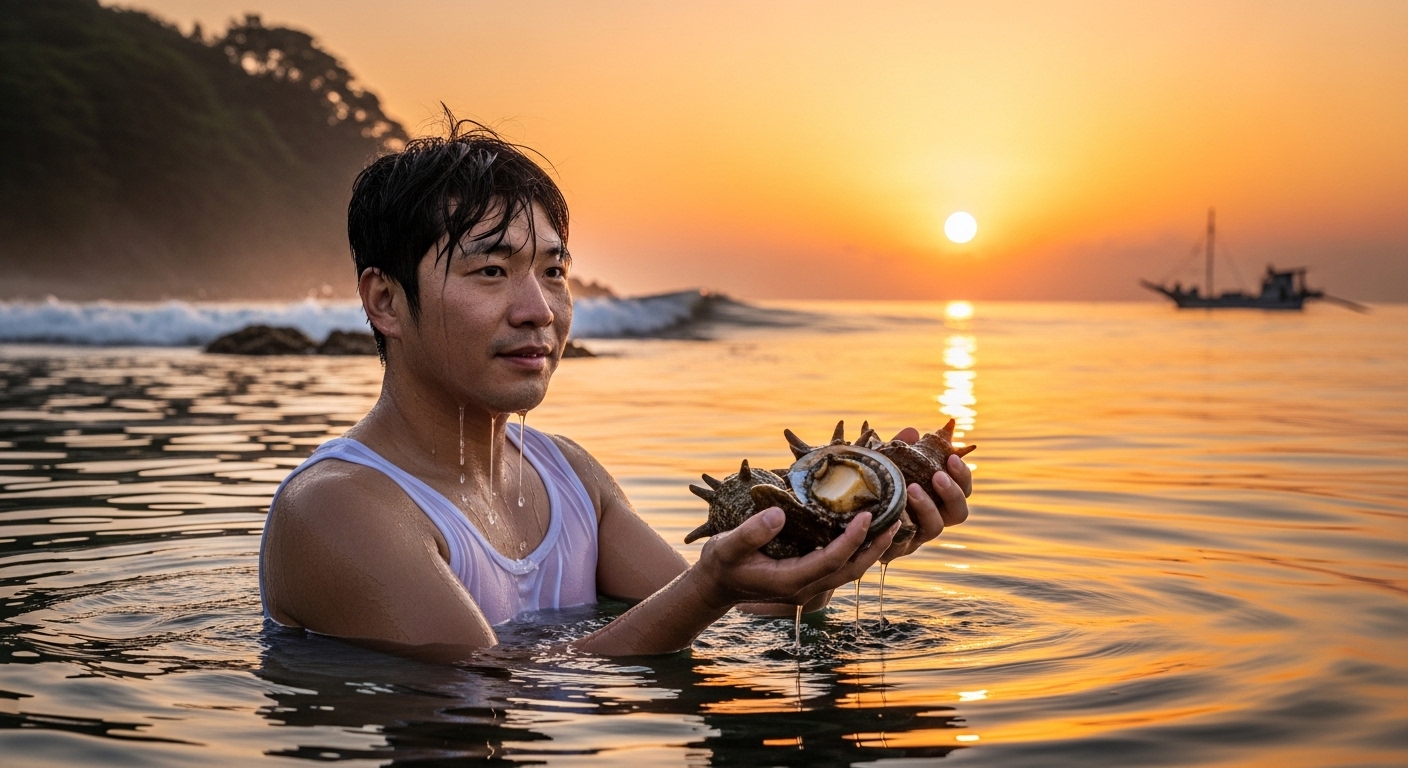
Japan provides one of the most compelling answers to where to experience traditional fishing cultures. Along the coasts of Mie and Toba, the Ama divers—predominantly women—have practiced breath-hold diving for more than two millennia. Without oxygen tanks, they descend into cold waters to collect abalone, sea urchins, and seaweed.
Remarkably, these divers rely purely on lung capacity and experience. In addition, strict seasonal rules protect marine life from overharvesting. Visitors who explore the region through the Japan National Tourism Organization can observe demonstrations and learn about the cultural significance of this profession. Watching an Ama diver surface at sunrise is not merely a photo opportunity; rather, it is a reminder of resilience and discipline rooted in tradition.
Vietnam’s Floating Fishing Villages
Meanwhile, Southeast Asia offers another powerful example. In Vietnam’s Ha Long Bay and Mekong Delta, entire communities live on floating platforms connected by wooden walkways. Boats function as homes, workplaces, and transport systems all at once. Consequently, daily life unfolds entirely on water.
Families mend nets together, children learn rowing techniques early, and elders teach tidal knowledge accumulated over decades. Travelers can arrange responsible visits through initiatives listed by Vietnam Tourism. Not only does this support local economies, but it also ensures respectful interaction. Would you adapt comfortably to a home that rises and falls with every tide?

Norway’s Lofoten Islands: Arctic Fishing Heritage
On the other side of the globe, Norway’s Lofoten Islands reveal where to experience traditional fishing cultures in colder climates. For centuries, Arctic cod fishing has shaped the region’s economy and identity. During winter months, fishermen migrate seasonally, following spawning cod into icy waters.
Wooden rorbuer cabins once housed these seasonal workers. Today, many have been restored for visitors seeking cultural immersion. Furthermore, stockfish drying racks still dominate the coastal landscape. Travelers can explore these traditions through resources like Visit Norway. Fishing under the Northern Lights transforms work into something almost mythical.
Ghana’s Atlantic Canoe Communities
Similarly, West Africa offers vibrant coastal traditions. Along Ghana’s shoreline, brightly painted wooden canoes launch into Atlantic waves each morning. Crews chant rhythmically as they push boats through surf, creating a spectacle that blends labor with performance.
Afterward, fish markets become energetic gathering spaces where bargaining, storytelling, and celebration unfold simultaneously. Cultural programs supported by the Ghana Tourism Authority help promote responsible engagement. In this context, fishing is not only an occupation but also a social anchor that connects generations.
Indonesia’s Phinisi Boat Builders
Elsewhere, Indonesia demonstrates that fishing culture extends beyond the act of catching fish. The Bugis people of Sulawesi construct traditional Phinisi schooners entirely by hand. Rather than relying on blueprints, builders use inherited measurement systems and collective memory.
As documented by Indonesia Travel, this craft remains central to maritime identity. Observing the construction process reveals extraordinary teamwork and patience. Would you trust a vessel crafted solely from ancestral knowledge and experience?
Portugal’s Nazaré: Between Waves and Nets
In Europe, Portugal’s Nazaré answers where to experience traditional fishing cultures in a region now famous for giant surfing waves. Long before surf tourism arrived, however, fishermen launched wooden boats from sandy beaches each dawn.
Even today, markets sell freshly caught seafood while maritime festivals celebrate heritage. Although tourism has grown, fishing identity remains embedded in community life. This balance demonstrates that tradition and modernization do not always have to compete; sometimes they coexist.
Kerala’s Chinese Fishing Nets
Finally, India’s Kerala coast offers a visually striking example. Massive cantilevered Chinese fishing nets dominate the waterfront in Kochi. Introduced centuries ago, these nets operate using counterweights and coordinated teamwork.
At sunset, silhouettes of fishermen raising the nets create a scene both cinematic and authentic. More importantly, these nets symbolize global exchange long before globalization became a buzzword. Would you try operating one, knowing that timing and teamwork determine success?

The Rituals Behind the Catch
Traditional fishing cultures are rarely limited to technique alone. In many regions, spiritual rituals mark the beginning of fishing seasons. Boats receive blessings, and offerings are made to ensure safety. Consequently, the sea is treated not merely as a resource but as a living force deserving respect.
Moreover, festivals often celebrate successful harvests with music, dance, and communal meals. Participating respectfully in such events allows travelers to witness cultural continuity in action.
How to Travel Responsibly
Understanding where to experience traditional fishing cultures is only part of the journey. Traveling responsibly is equally important. Therefore, choose community-led tours whenever possible. Additionally, avoid disrupting daily routines or treating working fishermen as staged attractions.
Supporting local markets, purchasing handmade goods, and listening attentively to stories all contribute positively. In contrast, careless tourism can accelerate cultural erosion. Ultimately, preservation depends not only on governments but also on visitor behavior.
The Future of Fishing Traditions
Climate change, rising sea levels, and overfishing continue to threaten small-scale communities. Nevertheless, awareness is increasing. Eco-tourism initiatives and heritage conservation programs offer alternative income sources. As a result, younger generations may see value in maintaining ancestral practices.
So, where to experience traditional fishing cultures next? The answer depends on your curiosity and commitment to responsible travel. Every coastal sunrise holds a story. Every net cast carries history. Perhaps your next journey could be guided not by luxury but by legacy.
Have you visited a traditional fishing village before? If so, what surprised you most? Share your thoughts in the comments below. We would love to hear your experiences.
Follow WentWorld.com on our social media platforms for more immersive travel stories, cultural explorations, and destination guides that connect you with living traditions worldwide.
Catch up on the top stories and travel deals by subscribing to our newsletter!










Leave a Reply
You must be logged in to post a comment.