
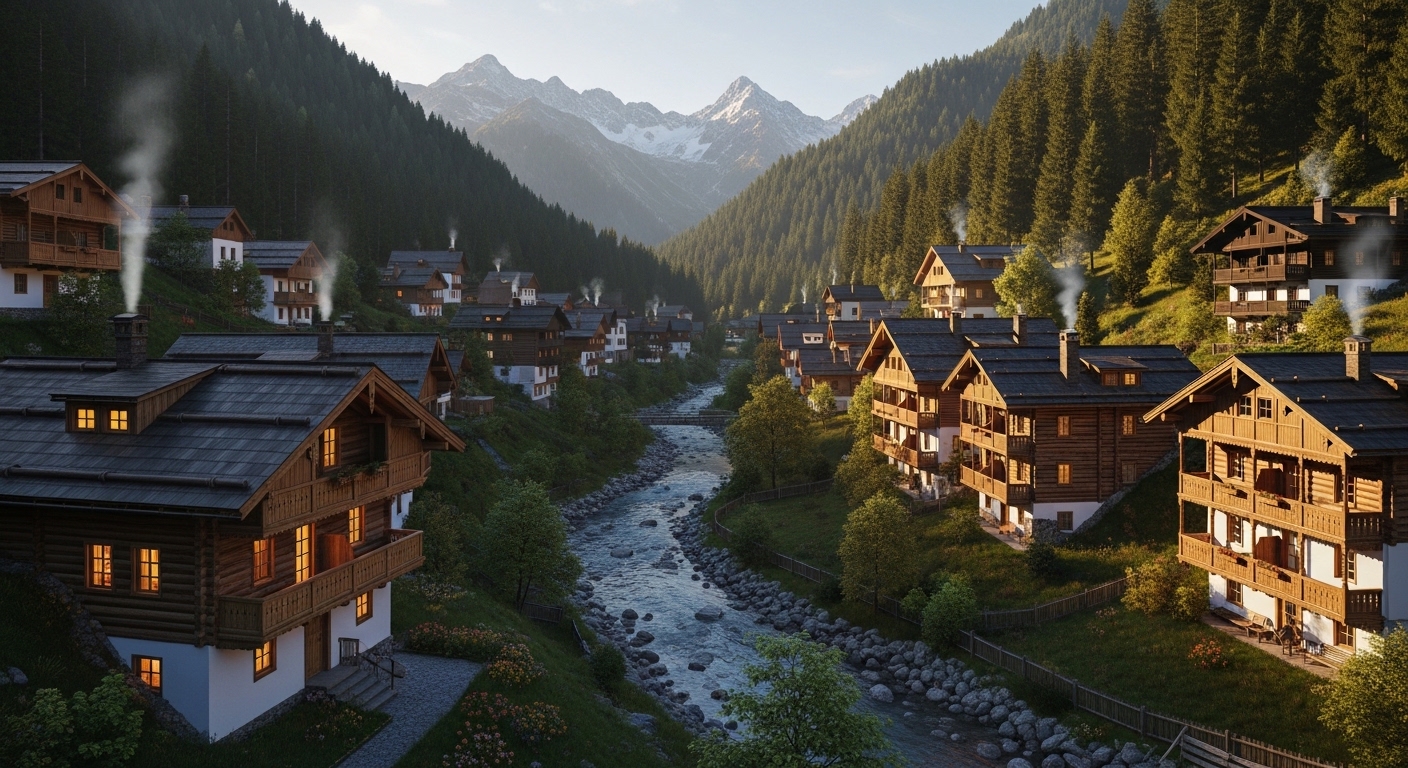
Introduction: Discovering Destinations Where Nature Meets Culture
Travel becomes far more meaningful when landscapes and traditions come together in harmony. Many destinations around the world offer more than scenic beauty. They also preserve centuries of heritage, stories, and cultural identity.
Exploring places where nature and culture blend seamlessly allows travelers to witness how communities live in balance with their surroundings. Mountains, forests, rivers, and coastlines often shape traditions, architecture, and daily life.
Imagine walking through terraced rice fields that generations of farmers carefully built. Picture ancient villages surrounded by dramatic landscapes that have inspired art, music, and local customs.
From sacred mountains to historic villages beside rivers, these destinations show how culture and environment grow together over time.
This guide explores some of the most remarkable places where nature and culture blend seamlessly and how travelers can experience them in thoughtful and inspiring ways.
Why Travelers Seek Destinations Where Nature and Culture Coexist
Many modern travelers want deeper experiences rather than simple sightseeing. Visiting famous landmarks may be exciting, but authentic travel often comes from understanding how people live within their environments.
Nature shapes cultures across the world. Coastal communities develop traditions connected to the sea. Mountain regions influence architecture, food, and local festivals.
When travelers visit places where nature and culture blend seamlessly, they experience both natural beauty and human creativity.
These destinations also encourage sustainable tourism. Travelers learn how communities preserve landscapes while maintaining cultural traditions.
Instead of separating nature from culture, these places reveal how the two elements depend on each other.
Kyoto: Japan’s Perfect Balance of Nature and Heritage
The historic city of Kyoto offers one of the most beautiful examples of nature and culture existing together.
Ancient temples sit quietly among bamboo forests and mountain landscapes. Gardens reflect centuries of Japanese philosophy about harmony and simplicity.
Visitors often explore the famous Arashiyama Bamboo Grove, where towering green stalks create a peaceful natural corridor.
Nearby temples demonstrate how architecture respects natural surroundings rather than dominating them.
Kyoto also celebrates seasonal beauty. Cherry blossom festivals in spring and colorful maple leaves in autumn attract travelers from around the world.
These traditions show how Japanese culture deeply respects the natural rhythm of seasons.
Kyoto perfectly represents places where nature and culture blend seamlessly.

Machu Picchu: History Hidden in the Mountains
Few destinations capture the connection between landscape and civilization better than Machu Picchu in Peru.
The ancient Inca city rests high in the Andes Mountains surrounded by dramatic peaks and misty valleys.
Stone terraces built by the Inca civilization still blend naturally into the mountain slopes.
These terraces once supported agriculture while protecting the land from erosion.
Visitors walking through the ruins quickly realize how carefully the city was designed to respect natural terrain.
The surrounding landscape creates a powerful atmosphere that feels both historical and spiritual.
Machu Picchu remains one of the world’s most extraordinary places where nature and culture blend seamlessly.
Cappadocia: A Landscape Shaped by Nature and Human Imagination
The surreal region of Cappadocia in Türkiye reveals how people adapt creatively to unusual landscapes.
Volcanic rock formations created unique “fairy chimney” towers across the region.
Over centuries, communities carved homes, churches, and underground cities directly into the rock.
These structures provided protection while preserving the natural shape of the land.
Today travelers explore cave hotels, ancient frescoed churches, and valleys filled with dramatic geological formations.
Hot air balloons floating above the landscape at sunrise provide one of the most famous views in global tourism.
Cappadocia demonstrates how human culture can adapt to nature without destroying it.
Ubud: Culture and Nature in the Heart of Bali
The town of Ubud in Bali offers another inspiring example.
Surrounded by rainforest, rivers, and rice terraces, the town remains a cultural center for Balinese art and spirituality.
Temples, dance performances, and traditional crafts remain central to everyday life.
Farmers maintain centuries-old irrigation systems called “subak” that distribute water across rice terraces.
This agricultural system reflects cooperation between communities and the natural environment.
Visitors often join cooking classes, temple visits, and yoga retreats while enjoying lush landscapes.
Ubud clearly represents one of the most beautiful places where nature and culture blend seamlessly.
Santorini: Culture Rising from Volcanic Landscapes
The Greek island of Santorini showcases a dramatic blend of geology and culture.
White villages sit along volcanic cliffs overlooking the deep blue Aegean Sea.
These iconic buildings developed from practical needs. Thick walls helped protect residents from strong winds and summer heat.
Narrow streets and cave houses follow the shape of volcanic terrain.
Local traditions also reflect the island’s landscape. Wine production thrives in volcanic soil, producing unique flavors.
Santorini demonstrates how communities shape culture around natural environments.
Hallstatt: Alpine Beauty and Centuries of Tradition
The picturesque village of Hallstatt in Austria sits beside a tranquil alpine lake surrounded by towering mountains.
For centuries, salt mining supported the local economy and shaped village traditions.
Wooden houses built along steep hillsides create one of Europe’s most photographed landscapes.
Visitors enjoy scenic hiking trails while learning about the region’s historic salt industry.
The combination of alpine nature and preserved culture makes Hallstatt unforgettable.
Experiencing Destinations Respectfully
Travelers visiting these remarkable locations should remember their responsibility to protect them.
Respecting local traditions ensures cultural heritage continues for future generations.
Supporting local businesses also strengthens communities that maintain these environments.
Responsible tourism helps protect places where nature and culture blend seamlessly.
Simple actions like reducing waste, respecting sacred sites, and following local guidelines can make a big difference.

Why These Destinations Inspire Travelers
Destinations where culture and nature coexist often create powerful emotional experiences.
Travelers feel connected not only to landscapes but also to the people who live there.
These journeys often inspire reflection about sustainability, heritage, and cultural diversity.
Many travelers return home with a deeper appreciation for how communities preserve both land and tradition.
Your Turn: Share Your Experiences
Have you ever visited a destination where nature and culture blended beautifully together?
Which place left the strongest impression on your travels?
Share your experiences and thoughts with us. Your travel stories may inspire others planning their next adventure.
If you enjoy discovering meaningful travel destinations like these, follow WentWorld across our social media platforms for more travel inspiration and cultural stories from around the globe.
Conclusion
The world offers countless places where nature and culture blend seamlessly.
From mountain civilizations to coastal villages, these destinations reveal how human traditions evolve alongside natural environments.
Travelers who explore these places gain more than beautiful photos. They gain deeper understanding of culture, history, and sustainability.
The next time you plan a trip, consider destinations where landscapes and traditions live together in harmony.
You may discover some of the most meaningful travel experiences of your life.
Catch up on the top stories and travel deals by subscribing to our newsletter!










Leave a Reply
You must be logged in to post a comment.