
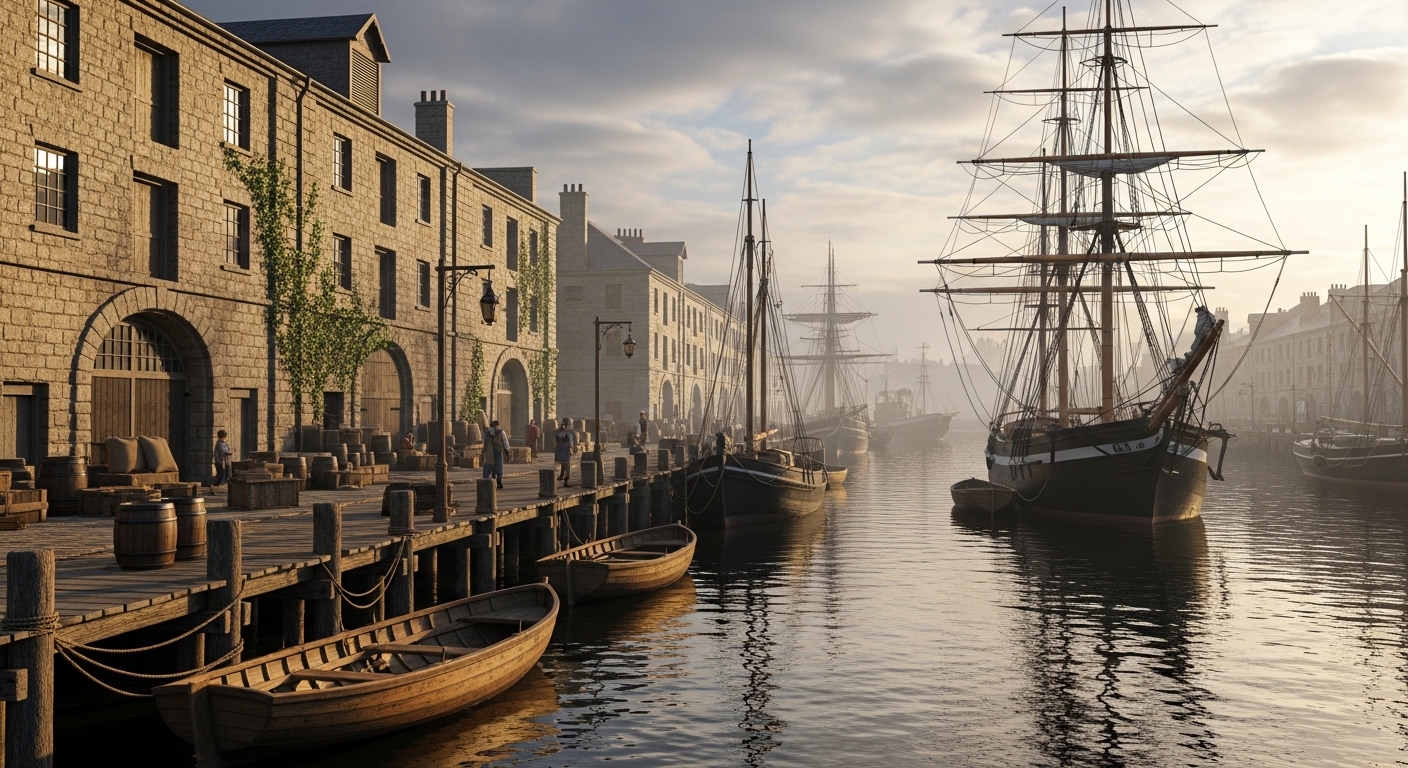
Many travelers visit famous cities for monuments, museums, or food. Yet some of the most fascinating stories of the world exist along coastlines where ships once arrived with spices, silk, explorers, and merchants. Learning how to explore historic ports and harbors opens a doorway into centuries of maritime trade, cultural exchange, and human adventure.
Historic ports and harbors shaped global history. These places connected continents long before airplanes existed. They welcomed sailors, merchants, immigrants, and explorers who carried ideas and traditions across oceans. When travelers understand how to explore historic ports and harbors, they discover far more than scenic waterfront views. They uncover living stories of commerce, migration, and cultural transformation.
Imagine walking along an ancient harbor wall where trading ships once docked hundreds of years ago. Picture narrow streets filled with warehouses that once stored tea, spices, silk, and precious metals. Many historic ports still preserve their architecture, traditions, and maritime atmosphere. For curious travelers, exploring these places becomes an unforgettable journey through time.
Have you ever visited a harbor and wondered what stories its docks could tell? Who arrived here centuries ago? What goods filled the ships? What cultures met and mixed along these waterfronts? Understanding how to explore historic ports and harbors helps travelers uncover those fascinating answers.
Why Historic Ports and Harbors Are Important Travel Destinations
Historic ports are more than picturesque waterfronts. They are gateways to the past. Many global cities first grew around busy harbors where goods and travelers arrived from distant lands.
Ports served as economic engines for centuries. They allowed trade routes to flourish and helped cities grow wealthy through shipping and commerce. These maritime hubs connected cultures and shaped international relationships.
Exploring historic ports also reveals architectural beauty. Old warehouses, shipyards, docks, and maritime buildings often remain preserved today. Visitors can walk along cobblestone quays or admire lighthouses that once guided ships safely to shore.
Many historic harbors now combine culture, tourism, museums, and local life. Travelers who learn how to explore historic ports and harbors often discover art districts, seafood markets, historic ships, and maritime museums that celebrate centuries of ocean travel.
Famous Historic Ports Worth Exploring
Across the world, several coastal cities preserve their maritime heritage beautifully. These destinations offer outstanding examples for travelers interested in how to explore historic ports and harbors.
The harbor of Valparaíso in Chile reflects centuries of maritime trade. Colorful houses climb steep hills above the port while historic funiculars connect neighborhoods. The city’s harbor played a major role in Pacific trade during the nineteenth century.
Another remarkable destination is Porto in Portugal. Its historic riverside district once handled massive shipments of wine transported through the Douro River. Today travelers explore historic warehouses and river docks that reveal the city’s maritime past.
Asia also offers remarkable maritime destinations. The port city of Kobe in Japan blends historic trading history with modern waterfront design. Travelers often explore museums and restored docks that celebrate the city’s maritime connections.
Meanwhile, travelers flying with airlines such as Emirates often visit coastal cities where historic harbors still define local identity and tourism.
Historic Mediterranean harbors like those near Dubrovnik in Croatia also reveal centuries of maritime trade and defense. Stone walls protected the harbor while merchant ships carried goods across the Adriatic Sea.

Understanding the History Before You Visit
One of the most important steps in learning how to explore historic ports and harbors involves understanding their historical context. Every harbor tells a different story depending on geography, trade routes, and political history.
Before visiting, travelers should research the major historical periods associated with the port. Many harbors served as colonial trade centers, naval bases, or merchant shipping hubs. Learning these stories adds depth to every step along the waterfront.
Maritime museums often provide helpful background information. Organizations like the International Maritime Organization also support preservation of maritime heritage worldwide.
Walking the Old Waterfront
The best way to explore historic ports and harbors often involves simply walking. Old waterfront districts preserve warehouses, docks, and narrow streets that once served sailors and merchants.
Look for signs of historic infrastructure such as mooring rings embedded in stone walls, cargo cranes, shipyards, or old lighthouse towers. These structures reveal how ships once loaded goods and navigated busy harbors.
Many cities now transform former port districts into lively cultural neighborhoods. Restaurants, galleries, and cafes often occupy historic warehouses while preserving their architectural character.
Visit Maritime Museums and Historic Ships
Maritime museums provide some of the most fascinating insights into port history. Exhibits often include ship models, navigation instruments, sailor diaries, and trade maps that illustrate centuries of exploration.
Some ports also maintain preserved historic ships that visitors can explore. Walking aboard these vessels allows travelers to understand how sailors lived and worked during long ocean voyages.
These experiences help visitors truly appreciate how challenging maritime travel once was. Sailors often spent months at sea navigating storms, unfamiliar waters, and dangerous coastlines.
Explore Local Seafood Markets
Seafood markets remain essential features of many historic ports. Fishermen continue traditions that have existed for generations. Visiting these markets provides insight into daily life along the harbor.
Travelers often enjoy watching fishermen unload their catch early in the morning. Restaurants near harbors frequently serve fresh seafood prepared using traditional recipes passed down through families.
These culinary traditions form an important part of maritime culture.
Take a Harbor Boat Tour
Another excellent way to understand how to explore historic ports and harbors involves seeing them from the water. Boat tours reveal perspectives impossible to experience from land.
From the harbor, travelers can observe historic defenses, docks, and shipping routes used for centuries. Guides often explain how ships navigated currents, tides, and harbor entrances.
Many boat tours also highlight historic shipyards, naval fortifications, and lighthouse systems that protected maritime trade.
Talk to Local Residents and Sailors
Local residents often hold the most interesting stories about historic ports. Many families have lived near harbors for generations and understand maritime traditions deeply.
Fishermen, dock workers, and harbor guides frequently share personal stories about life connected to the sea. These conversations provide perspectives rarely found in guidebooks.
Have you ever spoken with someone whose family worked on ships for decades? Their stories often bring history to life in unforgettable ways.

Photograph Historic Maritime Architecture
Historic ports offer extraordinary photography opportunities. Old warehouses, docks, ships, and waterfront streets create beautiful visual compositions.
Early morning and sunset often produce dramatic lighting across harbor waters. Reflections of historic buildings and ships can create stunning travel photographs.
Photography also helps travelers document architectural features that reflect centuries of maritime engineering.
Respect Local Heritage and Conservation
Historic ports represent valuable cultural heritage. Travelers should always respect preservation efforts while exploring waterfront districts.
Many harbors remain active commercial shipping centers. Visitors should follow safety rules and avoid restricted dock areas.
Supporting local businesses and museums also helps preserve maritime heritage for future generations.
Why Historic Ports Continue to Fascinate Travelers
Historic ports and harbors capture human curiosity because they represent exploration, adventure, and cultural exchange. Every dock once welcomed travelers arriving from distant lands with unknown stories.
These places remind us how interconnected the world has always been. Long before modern transportation, ships carried goods, cultures, languages, and ideas across oceans.
When travelers learn how to explore historic ports and harbors, they gain a deeper appreciation for global history and maritime innovation.
Have you ever explored a historic harbor during your travels? Did you visit an old dock, maritime museum, or fishing village? What moment stood out the most?
Share your experiences and travel stories with us. Your journey might inspire other explorers to discover the incredible history hidden along the world’s coastlines.
If you enjoy discovering fascinating destinations like historic ports and harbors, make sure to follow WentWorld on our social media platforms for more travel inspiration, destination stories, and cultural insights from around the world.
The next time you visit a coastal city, take time to walk along its harbor. You might discover that the most powerful stories of travel begin where the land meets the sea.
Catch up on the top stories and travel deals by subscribing to our newsletter!










Leave a Reply
You must be logged in to post a comment.